Kaspar Tiffany C, Hong Seungbum, Bowden Mark E, Varga Tamas, Yan Pengfei, Wang Chongmin, Spurgeon Steven R, Comes Ryan B, Ramuhalli Pradeep, Henager Charles H
Physical and Computational Sciences Directorate, Pacific Northwest National Laboratory, Richland, WA, 99354, United States.
Materials Science Division, Argonne National Laboratory, Lemont, Illinois, 60439, United States.
Sci Rep. 2018 Feb 14;8(1):3037. doi: 10.1038/s41598-018-21009-5.
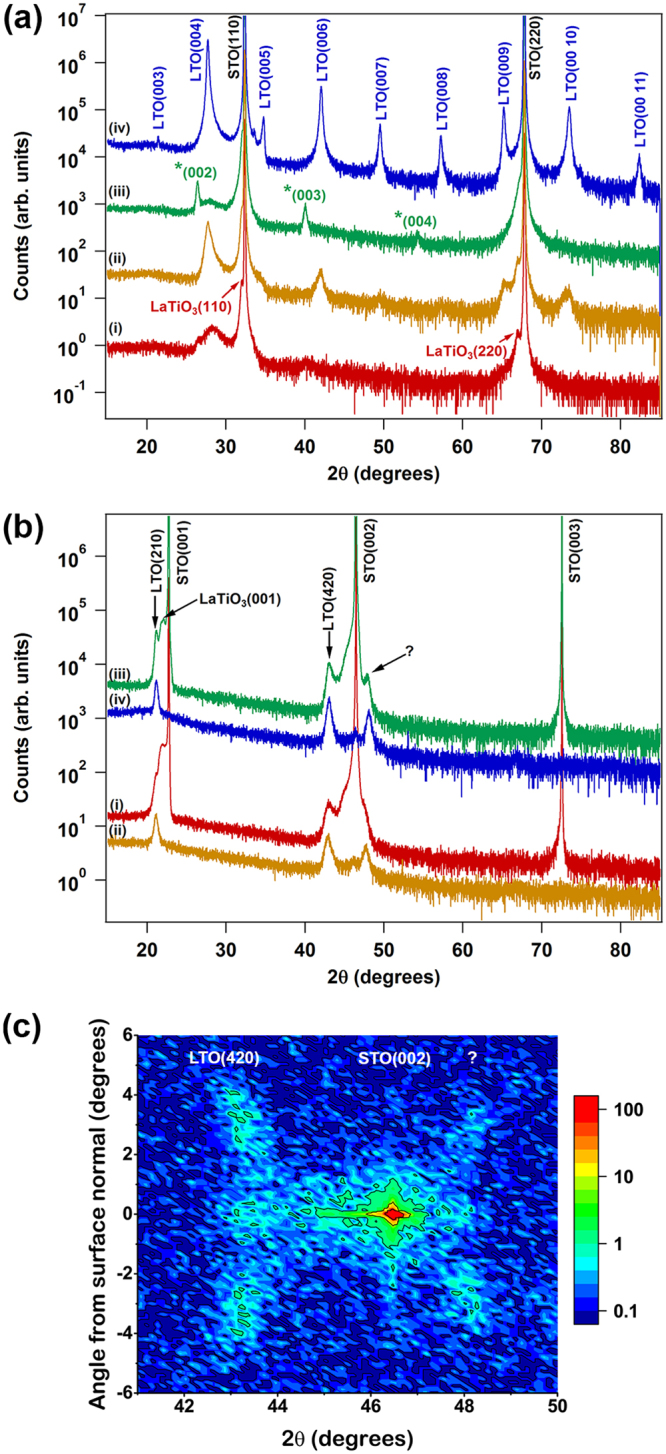
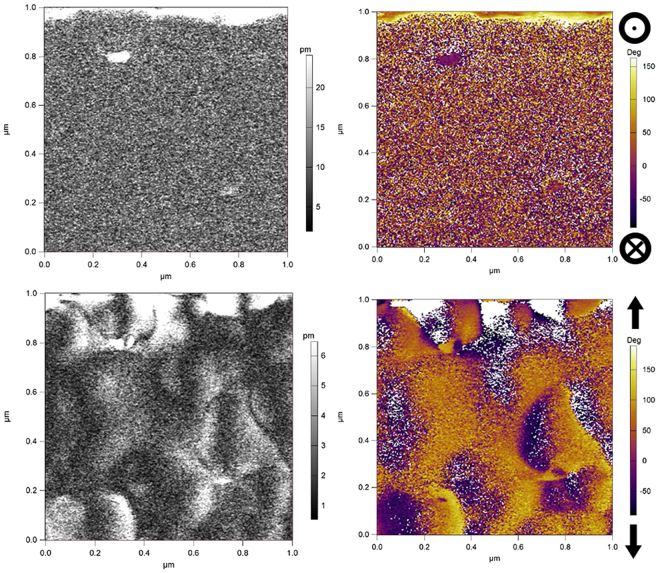
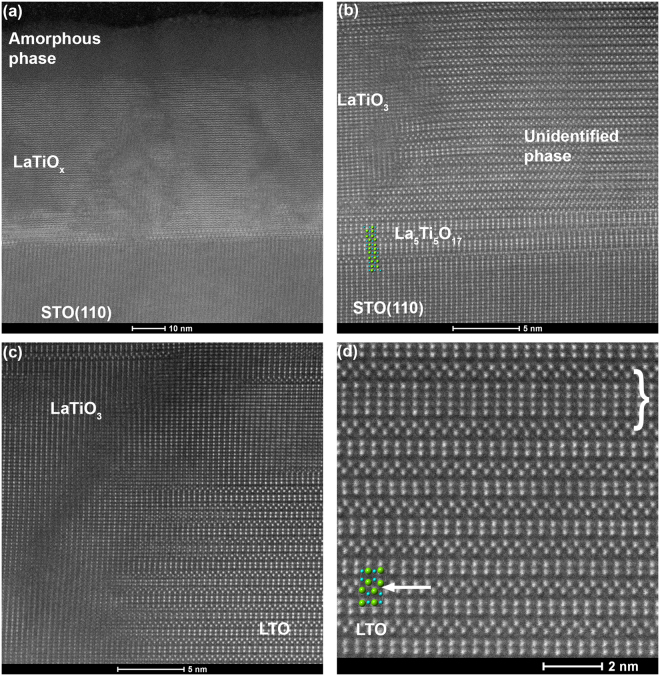
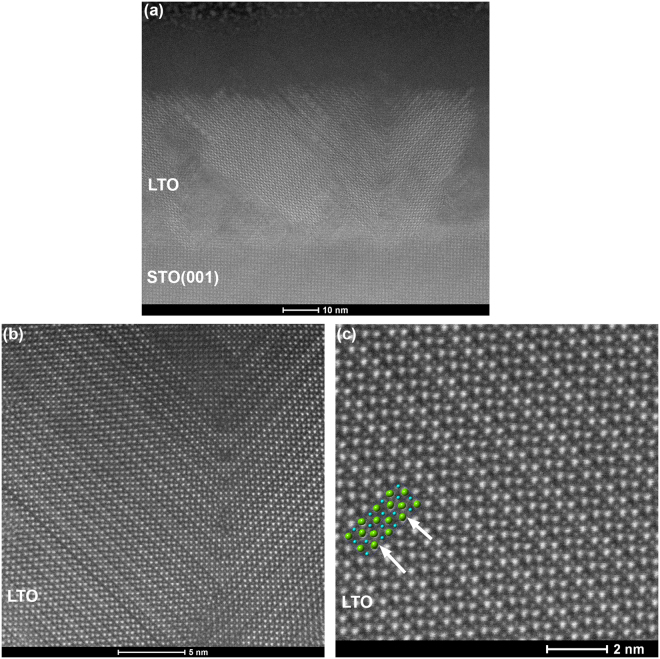
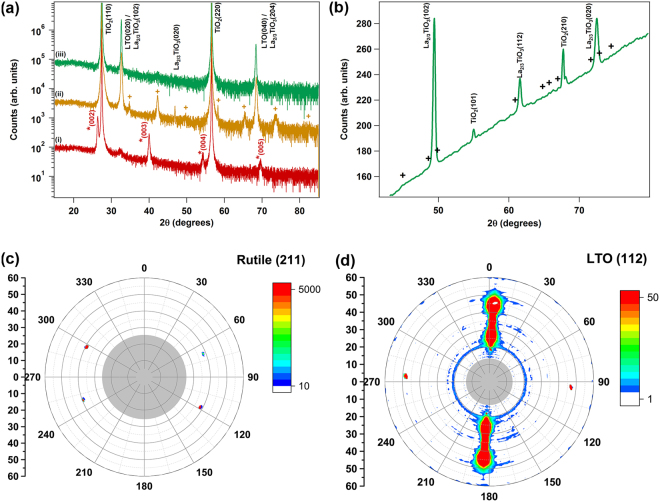
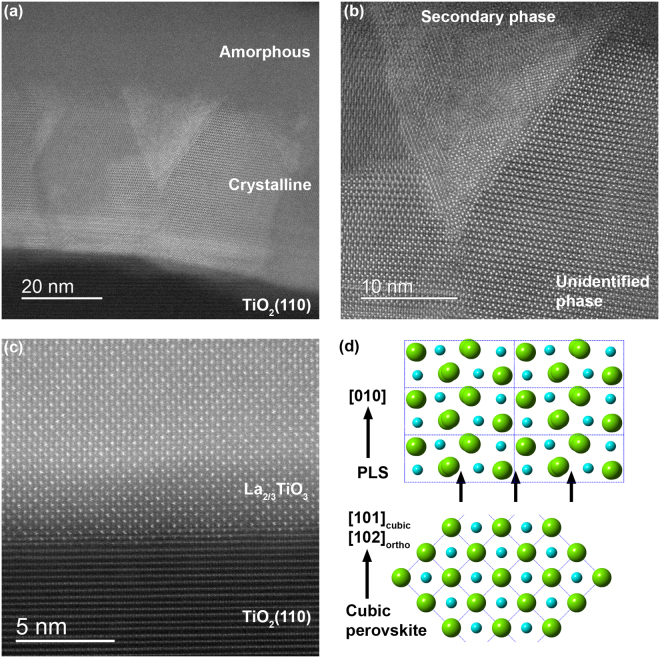
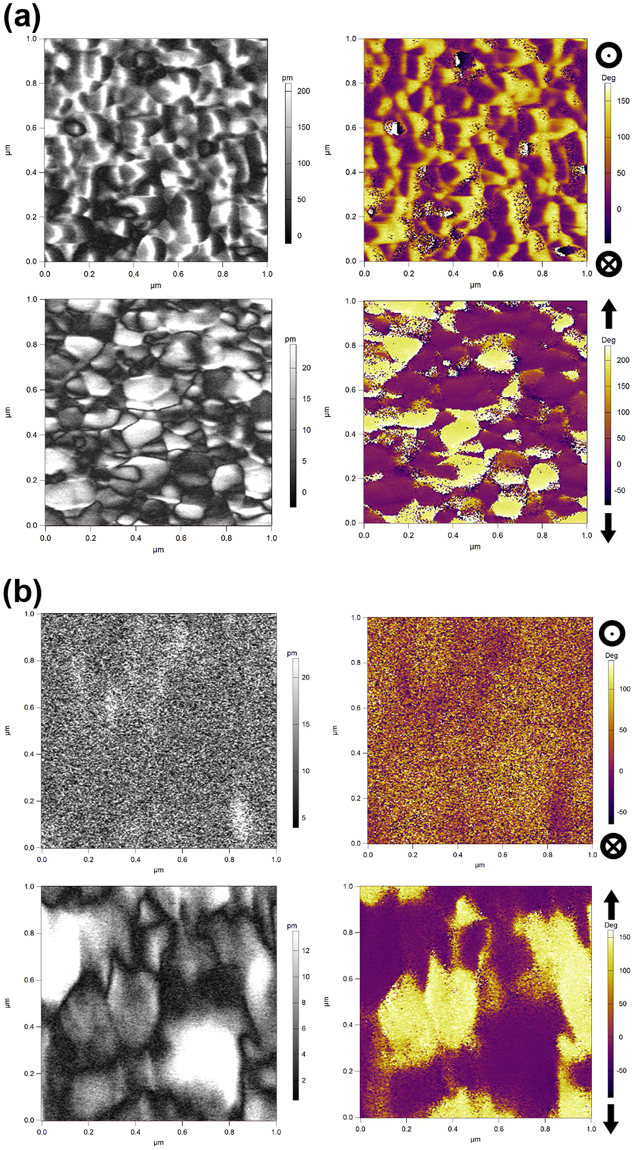
Current piezoelectric sensors and actuators are limited to operating temperatures less than ~200 °C due to the low Curie temperature of the piezoelectric material. Strengthening the piezoelectric coupling of high-temperature piezoelectric materials, such as LaTiO (LTO), would allow sensors to operate across a broad temperature range. The crystalline orientation and piezoelectric coupling direction of LTO thin films can be controlled by epitaxial matching to SrTiO(001), SrTiO(110), and rutile TiO(110) substrates via pulsed laser deposition. The structure and phase purity of the films are investigated by x-ray diffraction and scanning transmission electron microscopy. Piezoresponse force microscopy is used to measure the in-plane and out-of-plane piezoelectric coupling in the films. The strength of the out-of-plane piezoelectric coupling can be increased when the piezoelectric direction is rotated partially out-of-plane via epitaxy. The strongest out-of-plane coupling is observed for LTO/STO(001). Deposition on TiO(110) results in epitaxial LaTiO, an orthorhombic perovskite of interest as a microwave dielectric material and an ion conductor. LaTiO can be difficult to stabilize in bulk form, and epitaxial stabilization on TiO(110) is a promising route to realize LaTiO for both fundamental studies and device applications. Overall, these results confirm that control of the crystalline orientation of epitaxial LTO-based materials can govern the resulting functional properties.
由于压电材料的居里温度较低,目前的压电传感器和致动器仅限于在低于约200°C的温度下工作。增强高温压电材料(如钛酸镧(LTO))的压电耦合,将使传感器能够在很宽的温度范围内工作。通过脉冲激光沉积与SrTiO(001)、SrTiO(110)和金红石TiO(110)衬底进行外延匹配,可以控制LTO薄膜的晶体取向和压电耦合方向。通过X射线衍射和扫描透射电子显微镜研究薄膜的结构和相纯度。利用压电响应力显微镜测量薄膜中的面内和面外压电耦合。当压电方向通过外延部分旋转至面外时,面外压电耦合强度可以增加。对于LTO/STO(001),观察到最强的面外耦合。在TiO(110)上沉积会形成外延钛酸镧,它是一种正交钙钛矿,作为微波介电材料和离子导体受到关注。钛酸镧难以以块状形式稳定存在,在TiO(110)上进行外延稳定是实现用于基础研究和器件应用的钛酸镧的一条有前途的途径。总体而言,这些结果证实,对外延LTO基材料晶体取向的控制可以决定其最终的功能特性。