Hester Michael S, Tulina Natalia, Brown Amy, Barila Guillermo, Elovitz Michal A
Maternal and Child Health Research Center, Department of Obstetrics and Gynecology, Perelman School of Medicine at the University of Pennsylvania, Philadelphia, PA 19104, USA.
Maternal and Child Health Research Center, Department of Obstetrics and Gynecology, Perelman School of Medicine at the University of Pennsylvania, Philadelphia, PA 19104, USA.
Brain Res. 2018 Apr 15;1685:51-59. doi: 10.1016/j.brainres.2018.02.005. Epub 2018 Feb 12.
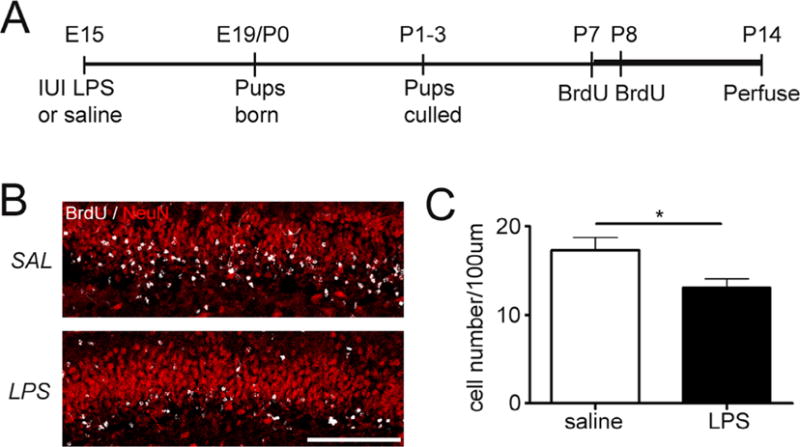
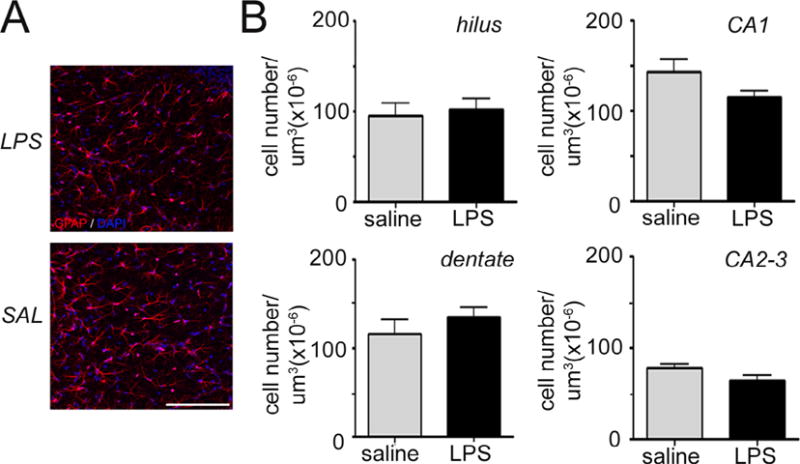
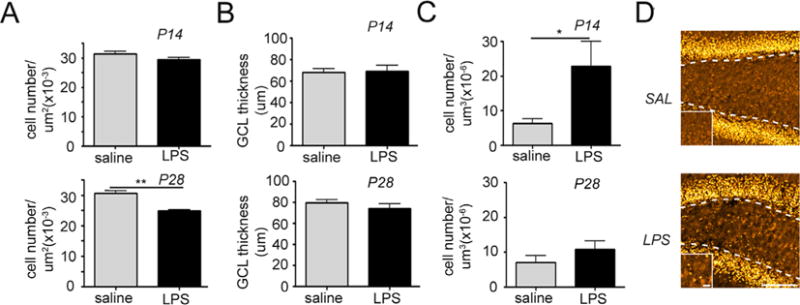
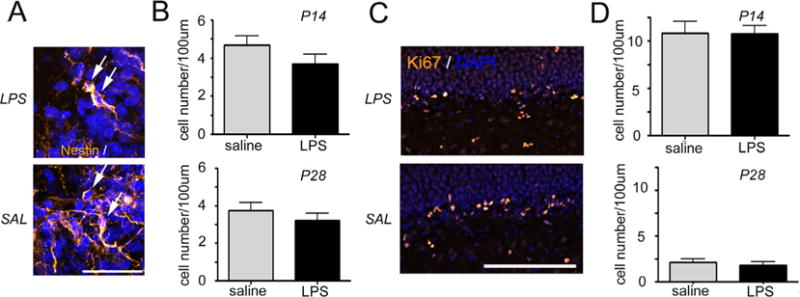
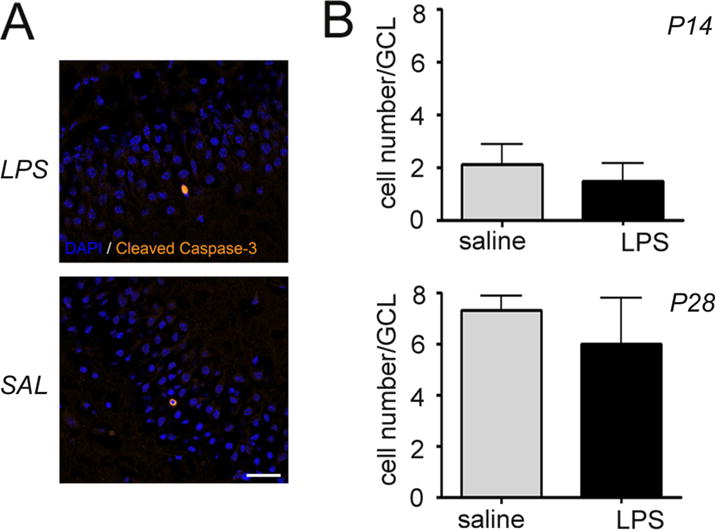
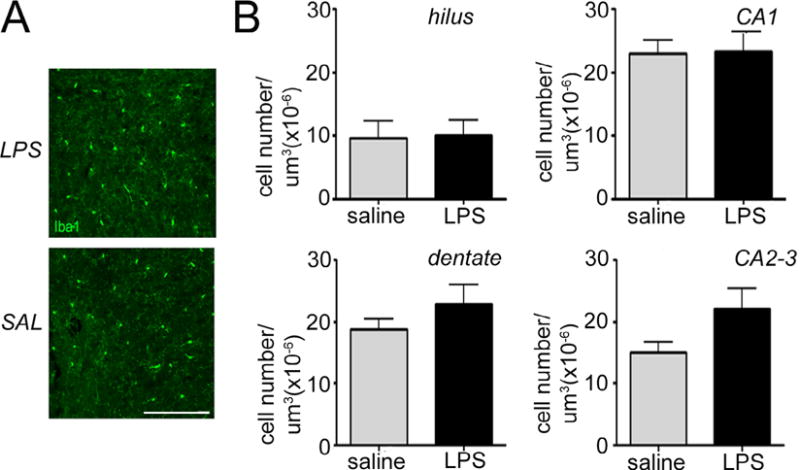
Prenatal inflammation is associated with poor neurobehavioral outcomes in exposed offspring. A common route of exposure for the fetus is intrauterine infection, which is often associated with preterm birth. Hippocampal development may be particularly vulnerable to an inflammatory insult during pregnancy as this region remains highly neurogenic both prenatally and postnatally. These studies sought to determine if intrauterine inflammation specifically altered hippocampal neurogenesis and migration of newly produced granule neurons during the early postnatal period. Microglial and astroglial cell populations known to play a role in the regulation of postnatal neurogenesis were also examined. We show that intrauterine inflammation significantly reduced hippocampal neurogenesis between postnatal days 7 (P7) and P14 as well as decreased granule cell density at P28. Ectopic migration of granule cells was observed in LPS-exposed mice at P14, but not at P28. Intrauterine inflammation had no effect on hippocampal astrocyte or microglia density or on apoptosis rate at the postnatal time points examined. Thus, exposure to intrauterine inflammation disrupts early postnatal neurogenesis and leads to aberrant migration of newly born granule cells.
产前炎症与受影响后代不良的神经行为结果相关。胎儿常见的暴露途径是宫内感染,这通常与早产有关。海马体发育在孕期可能特别容易受到炎症损伤,因为该区域在产前和产后都保持着高度的神经发生能力。这些研究旨在确定宫内炎症是否会在出生后早期特别改变海马体神经发生以及新产生的颗粒神经元的迁移。还检查了已知在产后神经发生调节中起作用的小胶质细胞和星形胶质细胞群体。我们发现,宫内炎症显著降低了出生后第7天(P7)至P14天的海马体神经发生,并降低了P28天时的颗粒细胞密度。在P14天时,在暴露于脂多糖的小鼠中观察到颗粒细胞异位迁移,但在P28天时未观察到。在所检查的出生后时间点,宫内炎症对海马体星形胶质细胞或小胶质细胞密度以及凋亡率没有影响。因此,暴露于宫内炎症会破坏出生后早期的神经发生,并导致新生颗粒细胞的异常迁移。