Sue and Bill Gross School of Nursing, University of California Irvine, Irvine, CA, USA.
College of Nursing, Mo-Im Kim Nursing Research Institute, Yonsei University, 50 Yonsei-ro, Seodaemun-gu, Seoul, Republic of Korea, 03722.
BMC Med Inform Decis Mak. 2018 Feb 20;18(1):12. doi: 10.1186/s12911-018-0591-0.
Mobile health (mHealth) has continuously been used as a method in behavioral research to improve self-management in patients with chronic diseases. However, the evidence of its effectiveness in chronic disease management in the adult population is still lacking. We conducted a systematic review to examine the effectiveness of mHealth interventions on process measures as well as health outcomes in randomized controlled trials (RCTs) to improve chronic disease management.
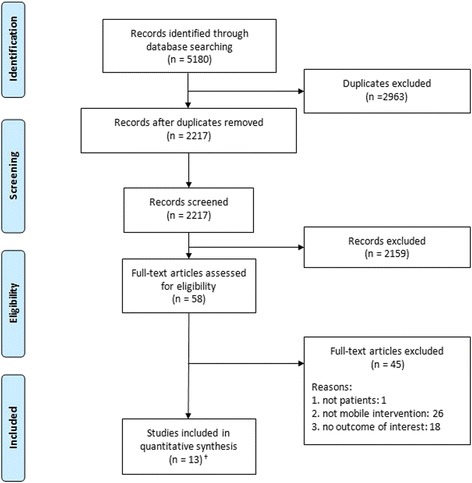
Relevant randomized controlled studies that were published between January 2005 and March 2016 were searched in six databases: PubMed, CINAHL, EMBASE, the Cochrane Library, PsycINFO, and Web of Science. The inclusion criteria were RCTs that conducted an intervention using mobile devices such as smartphones or tablets for adult patients with chronic diseases to examine disease management or health promotion.
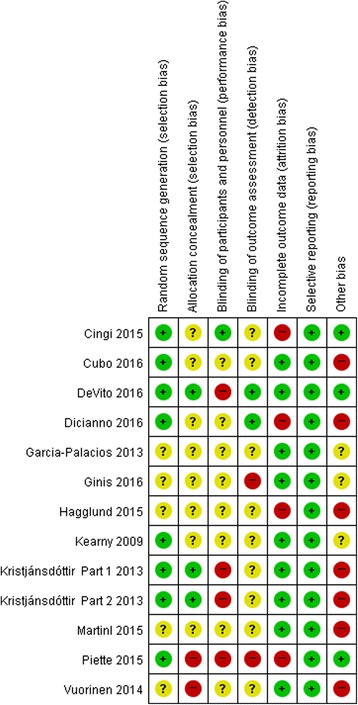
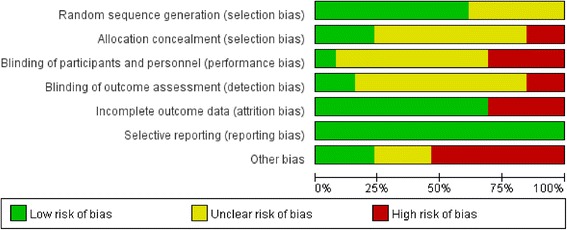
Of the 12 RCTs reviewed, 10 of the mHealth interventions demonstrated statistically significant improvement in some health outcomes. The most common features of mHealth systems used in the reviewed RCTs were real-time or regular basis symptom assessments, pre-programed reminders, or feedbacks tailored specifically to the data provided by participants via mHealth devices. Most studies developed their own mHealth systems including mobile apps. Training of mHealth systems was provided to participants in person or through paper-based instructions. None of the studies reported the relationship between health outcomes and patient engagement levels on the mHealth system.
Findings from mHealth intervention studies for chronic disease management have shown promising aspects, particularly in improving self-management and some health outcomes.
移动医疗(mHealth)一直被用于行为研究中,以改善慢性病患者的自我管理。然而,其在成年人群慢性病管理中的有效性证据仍然缺乏。我们进行了一项系统评价,以检查 mHealth 干预措施在改善慢性病管理方面对过程指标和健康结果的有效性。
在六个数据库中搜索了 2005 年 1 月至 2016 年 3 月期间发表的相关随机对照研究:PubMed、CINAHL、EMBASE、Cochrane 图书馆、PsycINFO 和 Web of Science。纳入标准为使用智能手机或平板电脑等移动设备对患有慢性病的成年患者进行干预以检查疾病管理或健康促进的 RCT。
在评价的 12 项 RCT 中,有 10 项 mHealth 干预措施在某些健康结果方面显示出统计学上的显著改善。在评价的 RCT 中,mHealth 系统最常见的特征是实时或定期的症状评估、预先设定的提醒或针对参与者通过 mHealth 设备提供的数据定制的反馈。大多数研究开发了自己的 mHealth 系统,包括移动应用程序。mHealth 系统的培训是通过面对面或纸质说明提供给参与者的。没有一项研究报告了健康结果与 mHealth 系统上患者参与度之间的关系。
慢性病管理的 mHealth 干预研究结果显示出了有前景的方面,特别是在改善自我管理和一些健康结果方面。