Flores Janine K, Ataide Sandro F
Ataide Lab, School of Life and Environmental Sciences, University of Sydney, Sydney, NSW, Australia.
Front Mol Biosci. 2018 Feb 5;5:7. doi: 10.3389/fmolb.2018.00007. eCollection 2018.
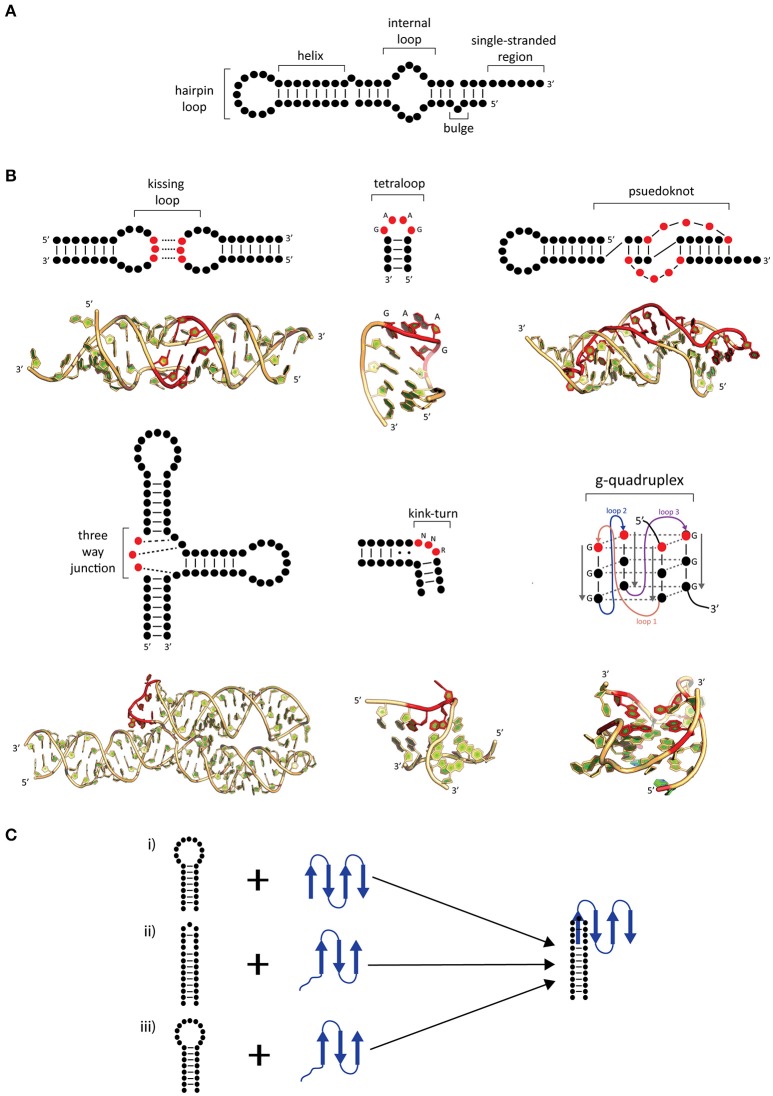
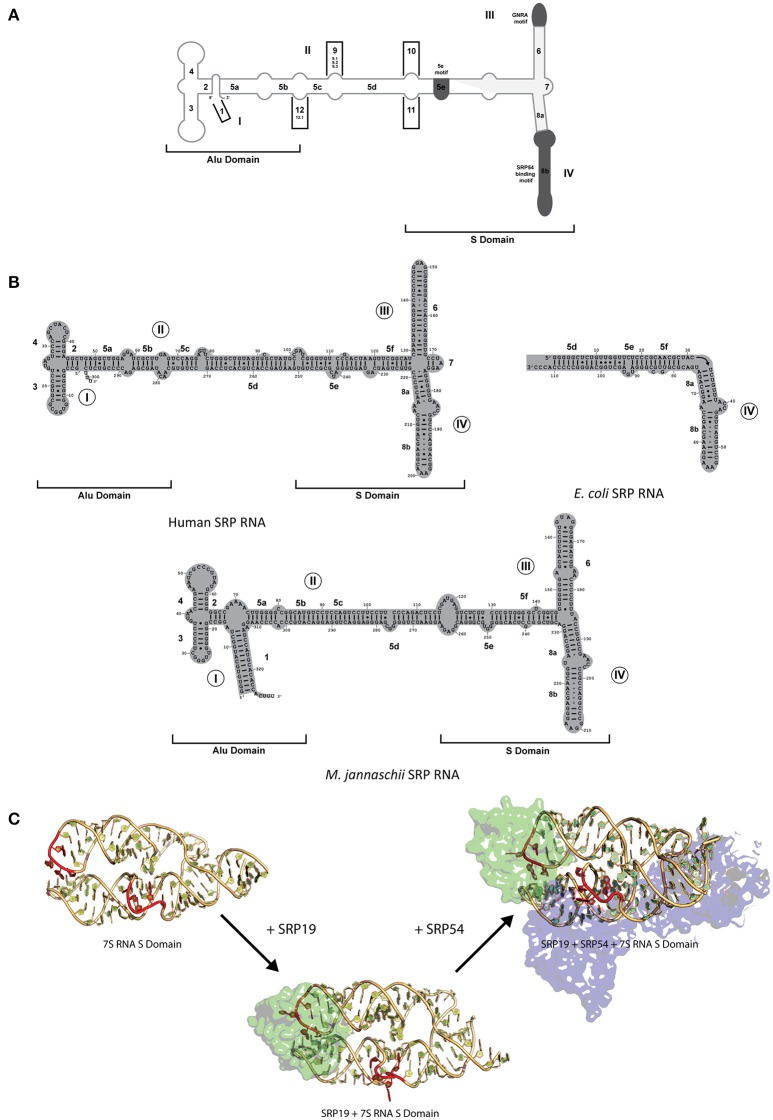
The structural flexibility of RNA allows it to exist in several shapes and sizes. Thus, RNA is functionally diverse and is known to be involved in processes such as catalysis, ligand binding, and most importantly, protein recognition. RNA can adopt different structures, which can often dictate its functionality. When RNA binds onto protein to form a ribonucleoprotein complex (RNP), multiple interactions and conformational changes occur with the RNA and protein. However, there is the question of whether there is a specific pattern for these changes to occur upon recognition. In particular when RNP complexity increases with the addition of multiple proteins/RNA, it becomes difficult to structurally characterize the overall changes using the current structural determination techniques. Hence, there is a need to use a combination of biochemical, structural and computational modeling to achieve a better understanding of the processes that RNPs are involved. Nevertheless, there are well-characterized systems that are evolutionarily conserved [such as the signal recognition particle (SRP)] that give us important information on the structural changes of RNA and protein upon complex formation.
RNA的结构灵活性使其能够以多种形状和大小存在。因此,RNA功能多样,已知参与催化、配体结合等过程,最重要的是参与蛋白质识别。RNA可以采用不同的结构,这通常决定其功能。当RNA与蛋白质结合形成核糖核蛋白复合物(RNP)时,RNA和蛋白质会发生多种相互作用和构象变化。然而,存在一个问题,即这些变化在识别时是否有特定模式发生。特别是当随着多种蛋白质/RNA的添加RNP复杂性增加时,使用当前的结构测定技术在结构上表征整体变化变得困难。因此,需要结合生化、结构和计算建模,以更好地理解RNP所涉及的过程。尽管如此,有一些特征明确且在进化上保守的系统(如信号识别颗粒(SRP)),能为我们提供有关复合物形成时RNA和蛋白质结构变化的重要信息。