Qin Xinyan, Wu Gongping, Lei Jin, Fan Fei, Ye Xuhui, Mei Quanjie
Department of Power and Mechanical Engineering, Wuhan University, Wuhan 430072, China.
Key Laboratory of Hydraulic Machinery Transients, Ministry of Education, Wuhan University, Wuhan 430072, China.
Sensors (Basel). 2018 Feb 15;18(2):596. doi: 10.3390/s18020596.
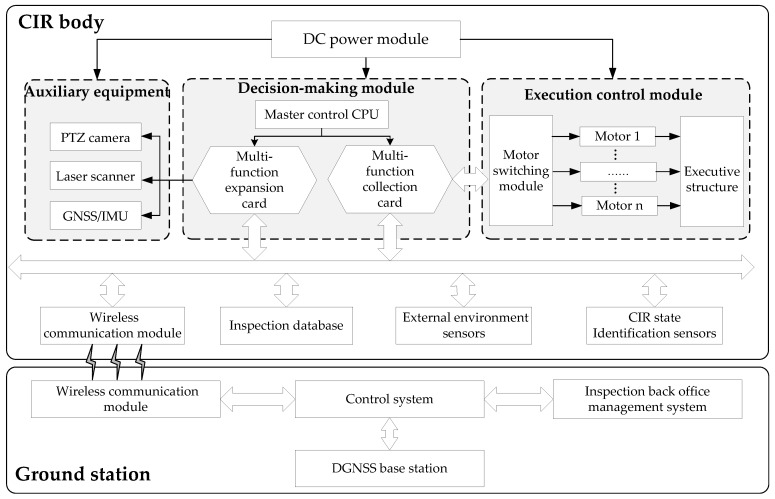
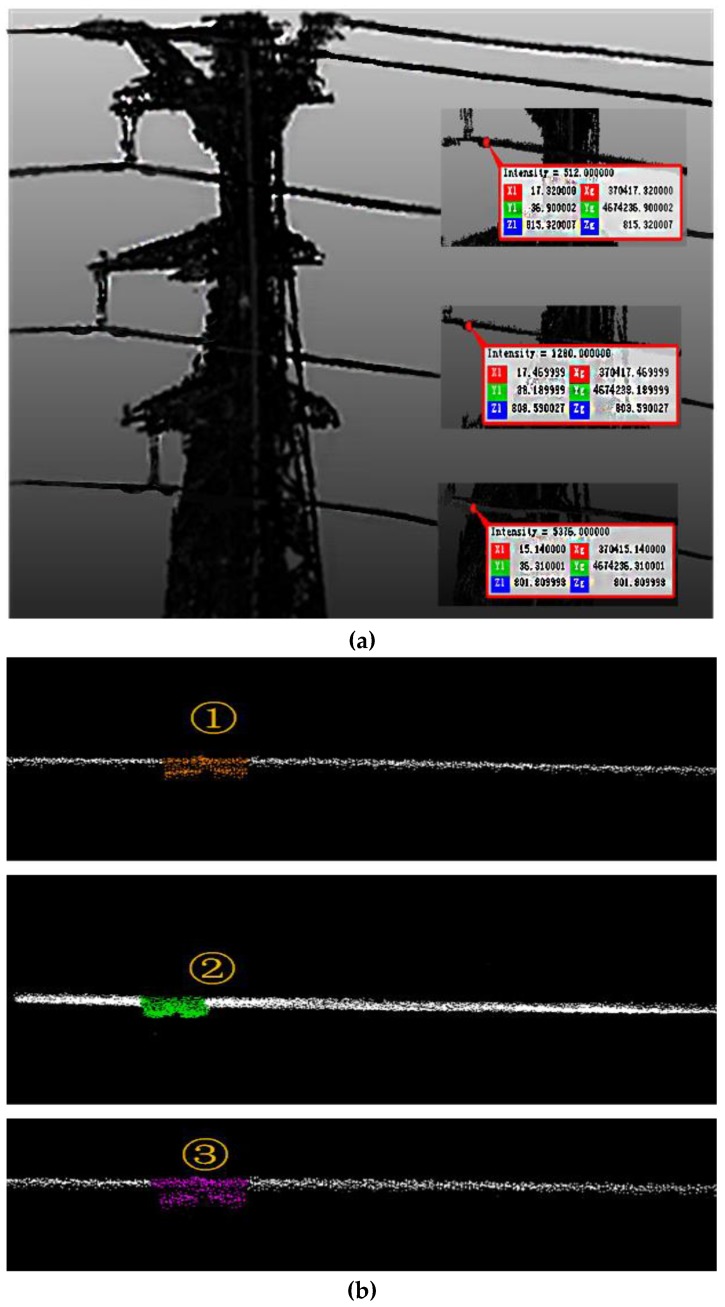
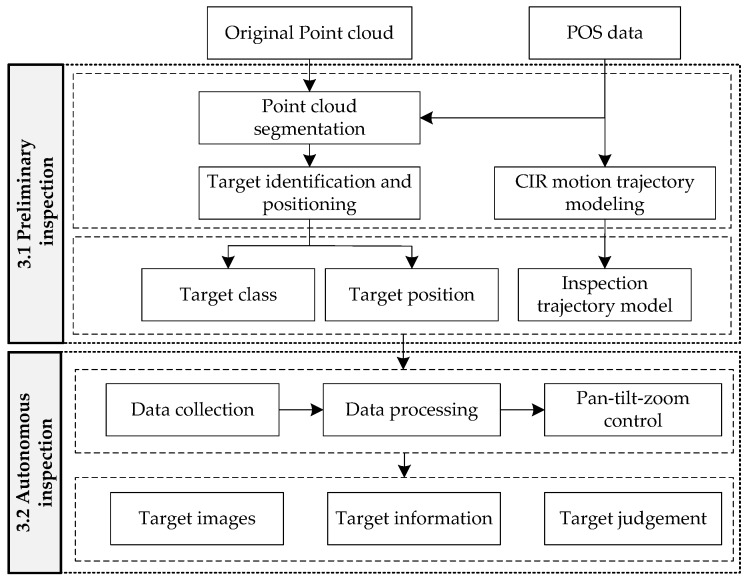
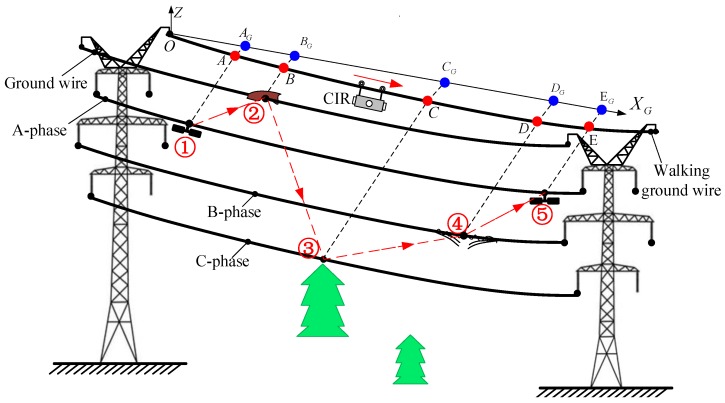
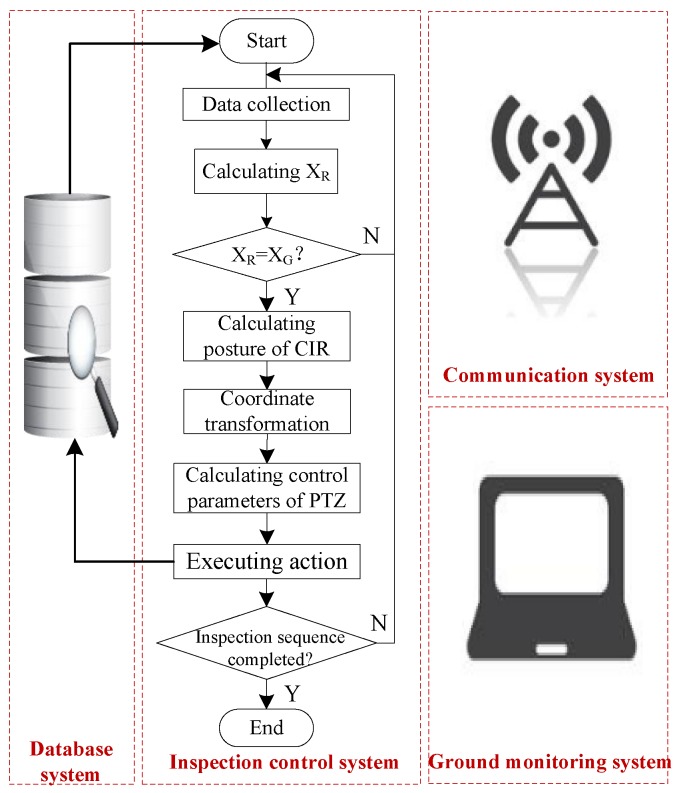
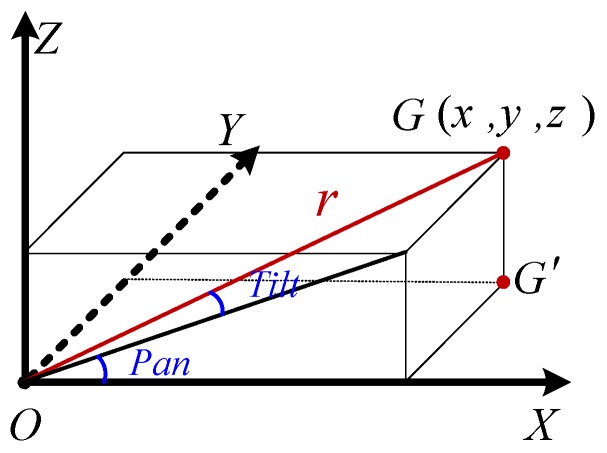
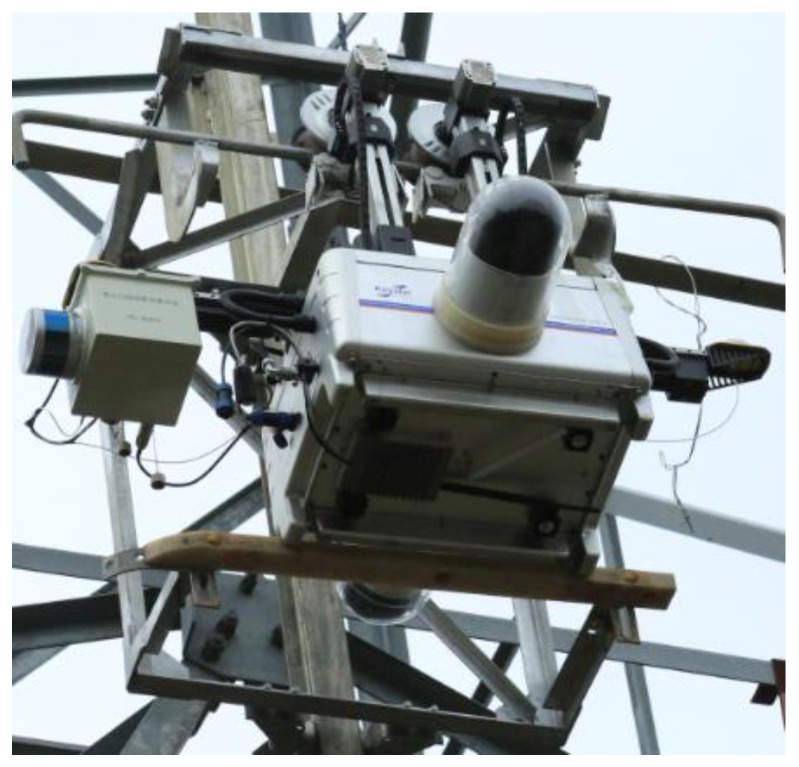
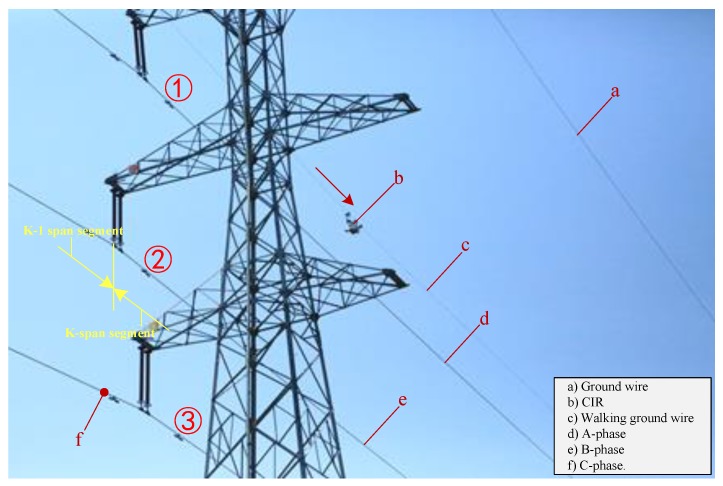
With the growth of the national economy, there is increasing demand for electricity, which forces transmission line corridors to become structurally complicated and extend to complex environments (e.g., mountains, forests). It is a great challenge to inspect transmission line in these regions. To address these difficulties, a novel method of autonomous inspection for transmission line is proposed based on cable inspection robot (CIR) LiDAR data, which mainly includes two steps: preliminary inspection and autonomous inspection. In preliminary inspection, the position and orientation system (POS) data is used for original point cloud dividing, ground point filtering, and structured partition. A hierarchical classification strategy is established to identify the classes and positions of the abnormal points. In autonomous inspection, CIR can autonomously reach the specified points through inspection planning. These inspection targets are imaged with PTZ (pan, tilt, zoom) cameras by coordinate transformation. The feasibility and effectiveness of the proposed method are verified by test site experiments and actual line experiments, respectively. The proposed method greatly reduces manpower and improves inspection accuracy, providing a theoretical basis for intelligent inspection of transmission lines in the future.
随着国民经济的增长,对电力的需求日益增加,这使得输电线路走廊的结构变得复杂,并延伸至复杂环境(如山区、森林)。在这些地区对输电线路进行巡检是一项巨大的挑战。为了解决这些难题,基于电缆巡检机器人(CIR)激光雷达数据,提出了一种新型输电线路自主巡检方法,该方法主要包括两个步骤:初步巡检和自主巡检。在初步巡检中,利用位置与姿态系统(POS)数据进行原始点云分割、地面点滤波和结构化划分。建立了分层分类策略以识别异常点的类别和位置。在自主巡检中,CIR可通过巡检规划自主到达指定点。通过坐标变换,利用云台(平移、倾斜、变焦)摄像机对这些巡检目标进行成像。分别通过试验场实验和实际线路实验验证了所提方法的可行性和有效性。该方法大大减少了人力并提高了巡检精度,为未来输电线路的智能巡检提供了理论依据。