Department of Physiology, College of Medicine, University of Saskatchewan, Saskatoon, Saskatchewan, Canada.
Department of Biochemistry and Molecular Vascular Biology, Kanazawa University Graduate School of Medical Science, Kanazawa, Japan.
PLoS One. 2018 Feb 23;13(2):e0193312. doi: 10.1371/journal.pone.0193312. eCollection 2018.
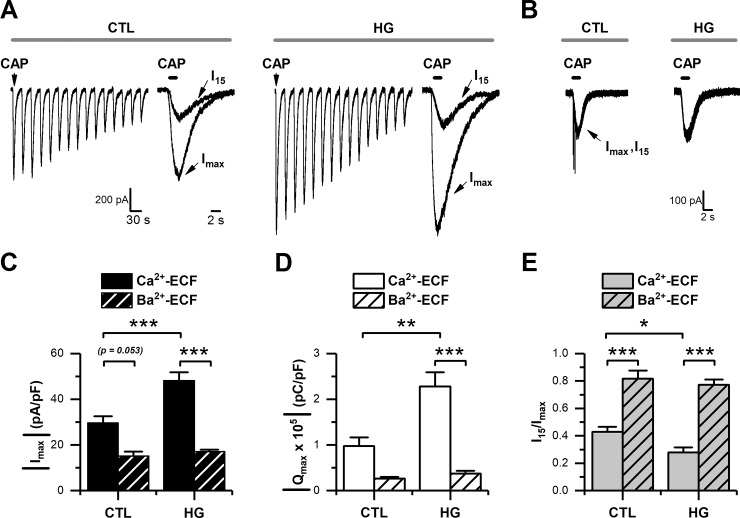
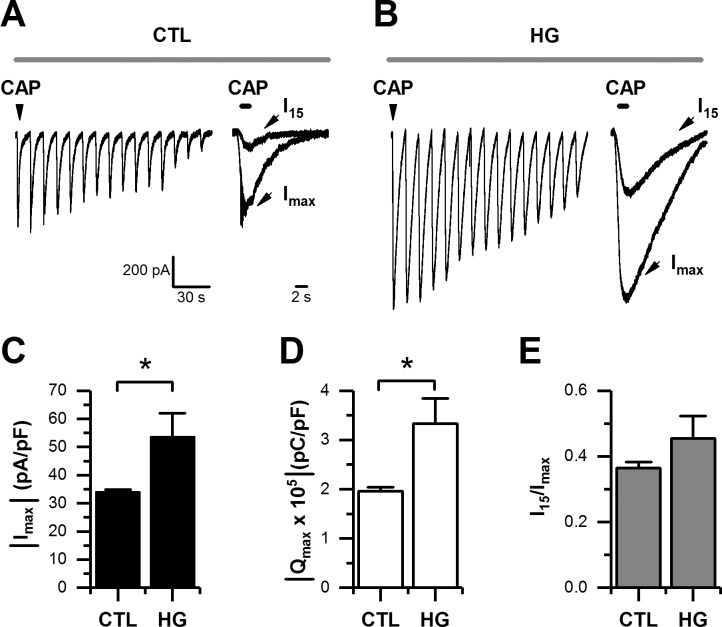
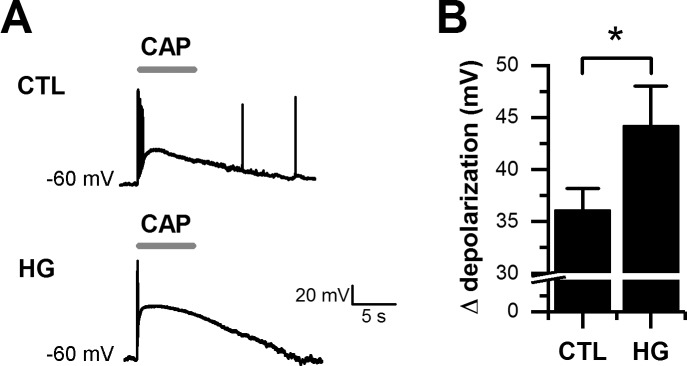
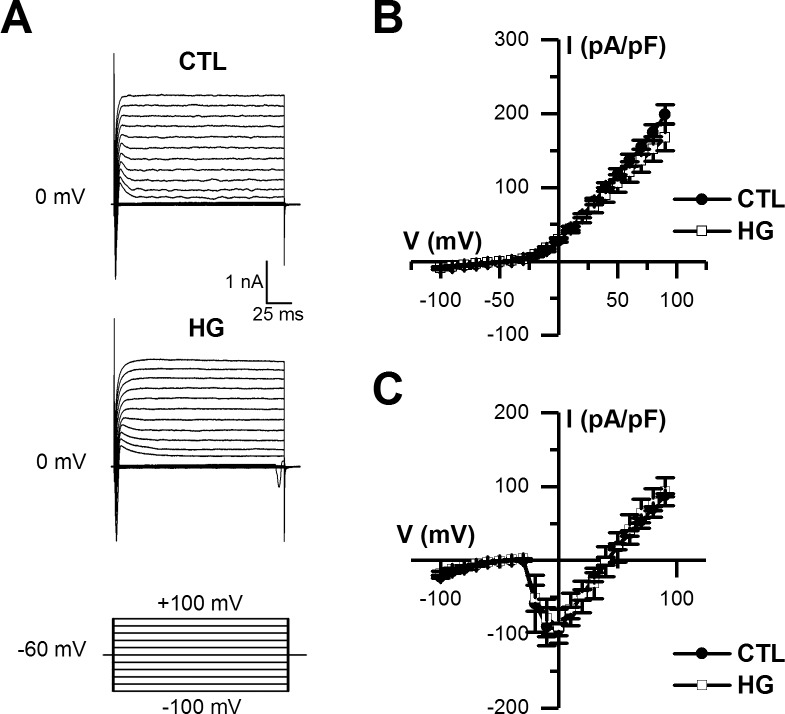
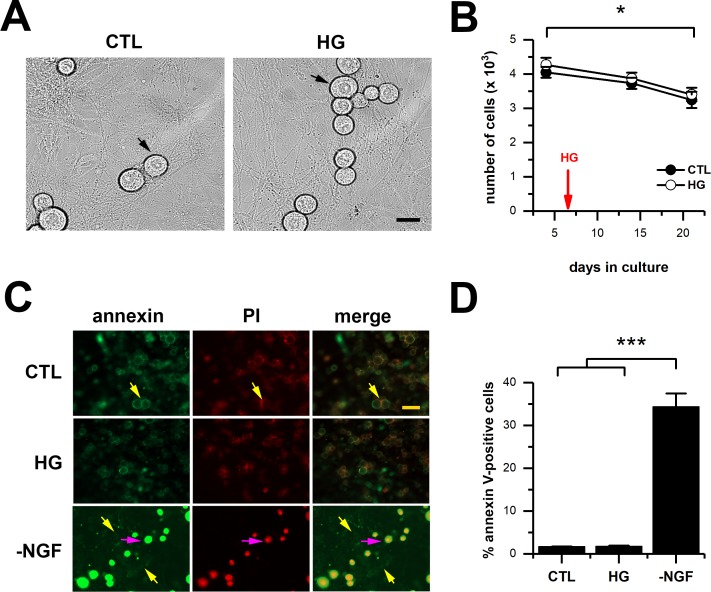
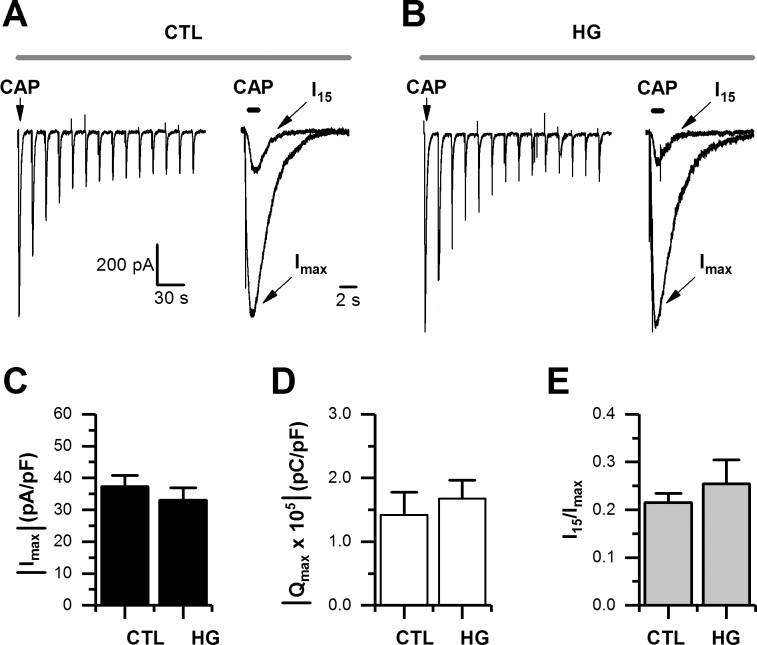
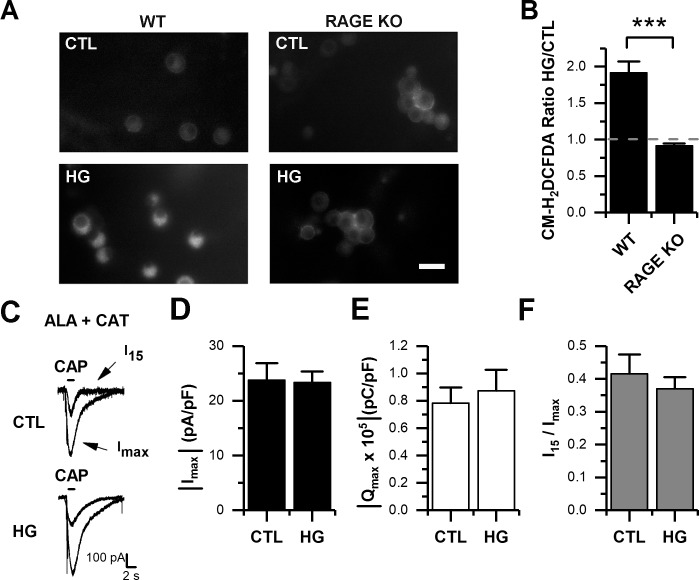
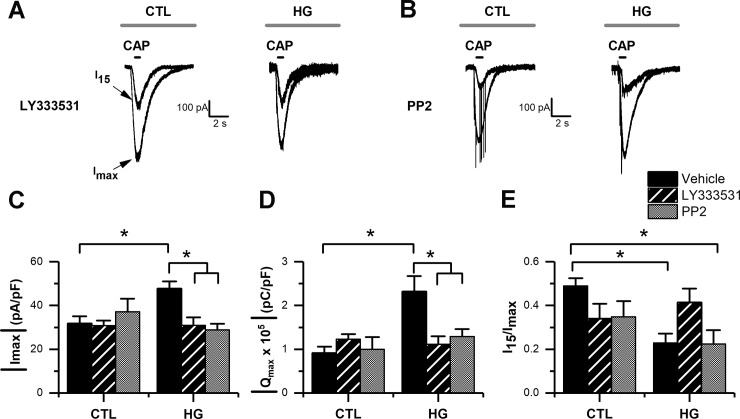
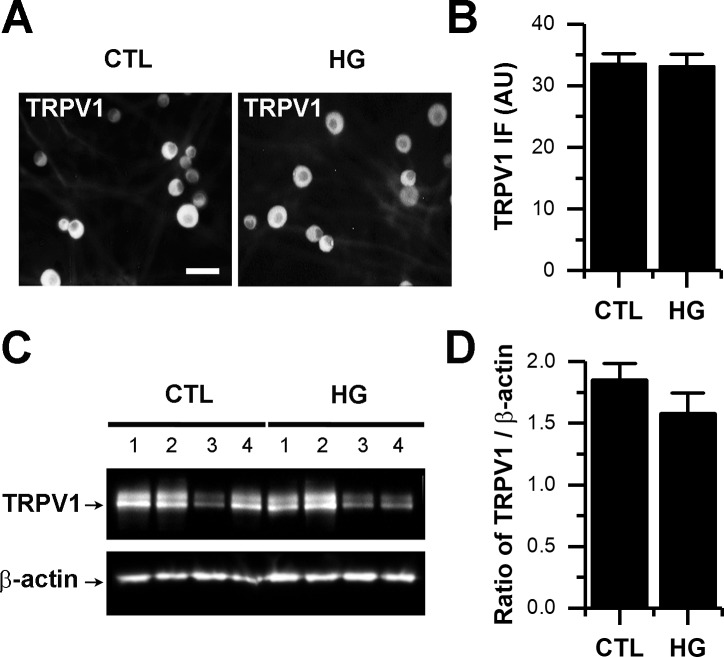
Diabetes mellitus is associated with sensory abnormalities, including exacerbated responses to painful (hyperalgesia) or non-painful (allodynia) stimuli. These abnormalities are symptoms of diabetic peripheral neuropathy (DPN), which is the most common complication that affects approximately 50% of diabetic patients. Yet, the underlying mechanisms linking hyperglycemia and symptoms of DPN remain poorly understood. The transient receptor potential vanilloid 1 (TRPV1) channel plays a central role in such sensory abnormalities and shows elevated expression levels in animal models of diabetes. Here, we investigated the function of TRPV1 channels in sensory neurons cultured from the dorsal root ganglion (DRG) of neonatal mice, under control (5mM) and high glucose (25mM) conditions. After maintaining DRG neurons in high glucose for 1 week, we observed a significant increase in capsaicin (CAP)-evoked currents and CAP-evoked depolarizations, independent of TRPV1 channel expression. These functional changes were largely dependent on the expression of the receptor for Advanced Glycation End-products (RAGE), calcium influx, cytoplasmic ROS accumulation, PKC, and Src kinase activity. Like cultured neurons from neonates, mature neurons from adult mice also displayed a similar potentiation of CAP-evoked currents in the high glucose condition. Taken together, our data demonstrate that under the diabetic condition, DRG neurons are directly affected by elevated levels of glucose, independent of vascular or glial signals, and dependent on RAGE expression. These early cellular and molecular changes to sensory neurons in vitro are potential mechanisms that might contribute to sensory abnormalities that can occur in the very early stages of diabetes.
糖尿病与感觉异常有关,包括对疼痛(痛觉过敏)或非疼痛(感觉过敏)刺激的反应加剧。这些异常是糖尿病周围神经病变(DPN)的症状,这是最常见的并发症,约影响 50%的糖尿病患者。然而,高血糖与 DPN 症状之间的潜在机制仍知之甚少。瞬时受体电位香草素 1(TRPV1)通道在这些感觉异常中起着核心作用,并在糖尿病动物模型中表现出升高的表达水平。在这里,我们研究了 TRPV1 通道在新生小鼠背根神经节(DRG)培养的感觉神经元中的功能,在对照(5mM)和高葡萄糖(25mM)条件下。在高葡萄糖中维持 DRG 神经元 1 周后,我们观察到辣椒素(CAP)诱发电流和 CAP 诱发去极化的显著增加,而与 TRPV1 通道表达无关。这些功能变化在很大程度上依赖于晚期糖基化终产物受体(RAGE)、钙内流、细胞质 ROS 积累、PKC 和Src 激酶活性的表达。与新生神经元培养物一样,来自成年小鼠的成熟神经元在高葡萄糖条件下也显示出 CAP 诱发电流的类似增强。总之,我们的数据表明,在糖尿病状态下,DRG 神经元直接受到高水平葡萄糖的影响,与血管或神经胶质信号无关,并且依赖于 RAGE 表达。这些体外感觉神经元的早期细胞和分子变化可能是导致糖尿病早期发生感觉异常的潜在机制。