School of Life Sciences, The Medical School QMC, University of Nottingham, Nottingham NG7 2UH, UK.
Arthritis Research UK Pain Centre, The Medical School QMC, University of Nottingham, Nottingham NG7 2UH, UK.
J Cell Sci. 2018 Jul 26;131(14):jcs215939. doi: 10.1242/jcs.215939.
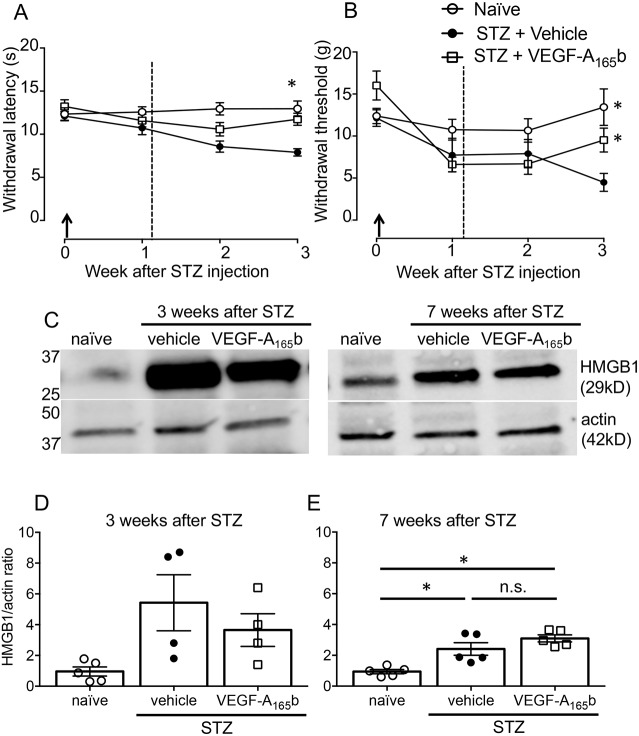
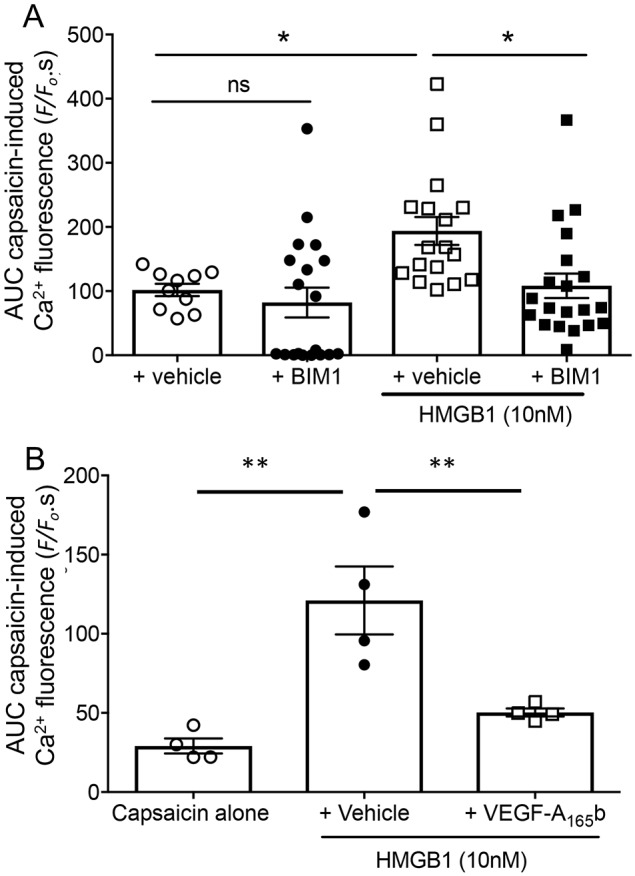
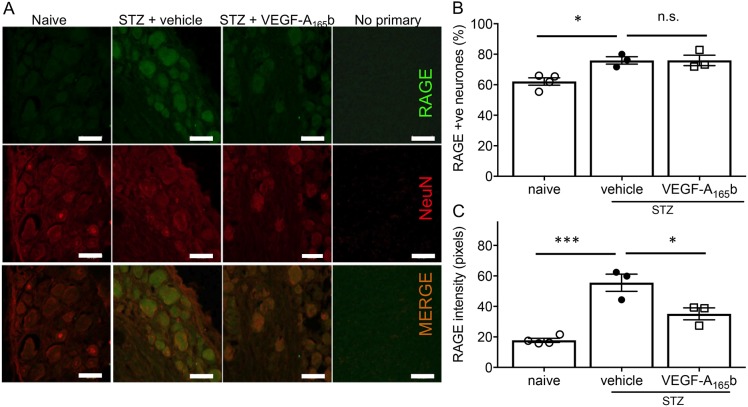
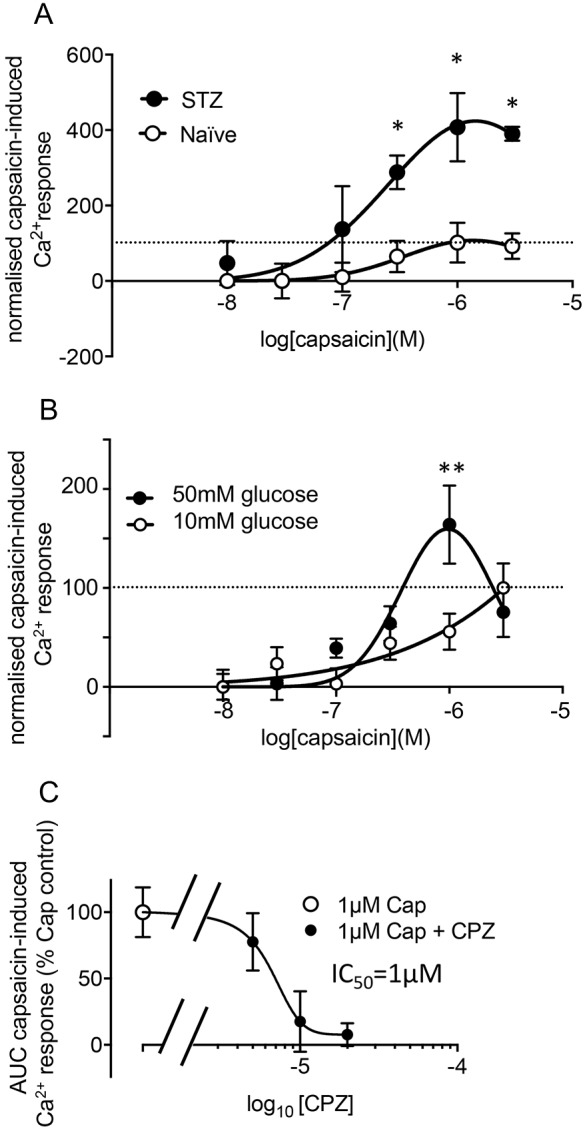
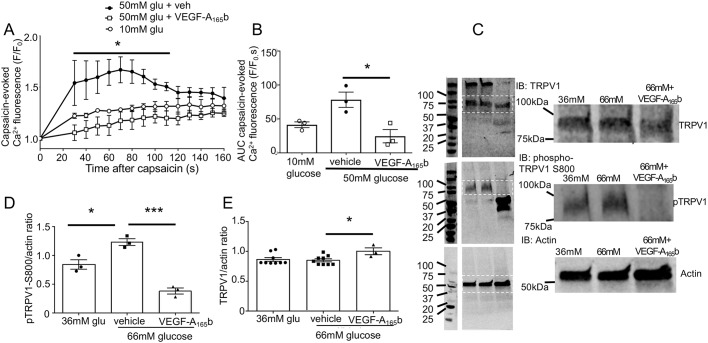
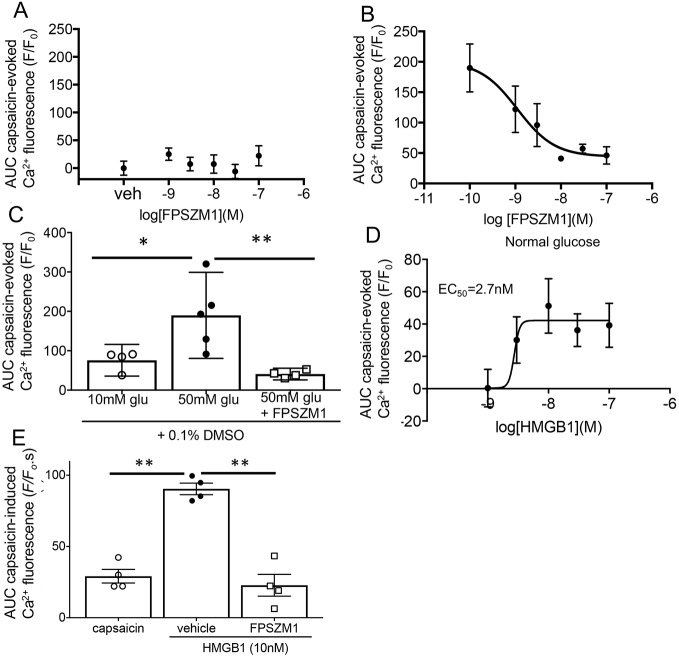
Many potential causes for painful diabetic neuropathy have been proposed including actions of cytokines and growth factors. High mobility group protein B1 (HMGB1) is a RAGE (also known as AGER) agonist whose levels are increased in diabetes and that contributes to pain by modulating peripheral inflammatory responses. HMGB1 enhances nociceptive behaviour in naïve animals through an unknown mechanism. We tested the hypothesis that HMGB1 causes pain through direct neuronal activation of RAGE and alteration of nociceptive neuronal responsiveness. HMGB1 and RAGE expression were increased in skin and primary sensory (dorsal root ganglion, DRG) neurons of diabetic rats at times when pain behaviour was enhanced. Agonist-evoked TRPV1-mediated Ca responses increased in cultured DRG neurons from diabetic rats and in neurons from naïve rats exposed to high glucose concentrations. HMGB1-mediated increases in TRPV1-evoked Ca responses in DRG neurons were RAGE- and PKC-dependent, and this was blocked by co-administration of the growth factor splice variant VEGF-Ab. Pain behaviour and the DRG RAGE expression increases were blocked by VEGF-Ab treatment of diabetic rats Hence, we conclude that HMGB1-RAGE activation sensitises DRG neurons , and that VEGF-Ab blocks HMGB-1-RAGE DRG activation, which may contribute to its analgesic properties .
许多潜在的引起痛性糖尿病周围神经病的原因已经被提出,包括细胞因子和生长因子的作用。高迁移率族蛋白 B1(HMGB1)是 RAGE(也称为AGER)的激动剂,其在糖尿病中的水平升高,并通过调节外周炎症反应而导致疼痛。HMGB1 通过未知机制增强了幼稚动物的伤害性行为。我们检验了以下假说:HMGB1 通过 RAGE 对神经元的直接激活以及对伤害性神经元反应性的改变引起疼痛。在痛觉行为增强时,糖尿病大鼠的皮肤和初级感觉(背根神经节,DRG)神经元中 HMGB1 和 RAGE 的表达增加。在来自糖尿病大鼠的培养的 DRG 神经元和暴露于高葡萄糖浓度的幼稚大鼠的神经元中,激动剂诱导的 TRPV1 介导的 Ca 反应增加。HMGB1 介导的 DRG 神经元中 TRPV1 诱导的 Ca 反应增加依赖于 RAGE 和 PKC,并且这可以通过共给予生长因子剪接变体 VEGF-Ab 来阻断。疼痛行为和 DRG RAGE 表达的增加可以通过 VEGF-Ab 治疗糖尿病大鼠来阻断。因此,我们得出结论,HMGB1-RAGE 激活使 DRG 神经元敏化,并且 VEGF-Ab 阻断 HMGB-1-RAGE DRG 激活,这可能有助于其镇痛特性。