Shin Alexandra N, Han Limin, Dasgupta Chiranjib, Huang Lei, Yang Shumei, Zhang Lubo
The Lawrence D. Longo MD Center for Perinatal Biology, Department of Basic Sciences, Loma Linda University School of Medicine, Loma Linda, California, USA.
Department of Biological Sciences, California Baptist University, Riverside, California, USA.
Oncotarget. 2018 Jan 3;9(8):7996-8010. doi: 10.18632/oncotarget.23847. eCollection 2018 Jan 30.
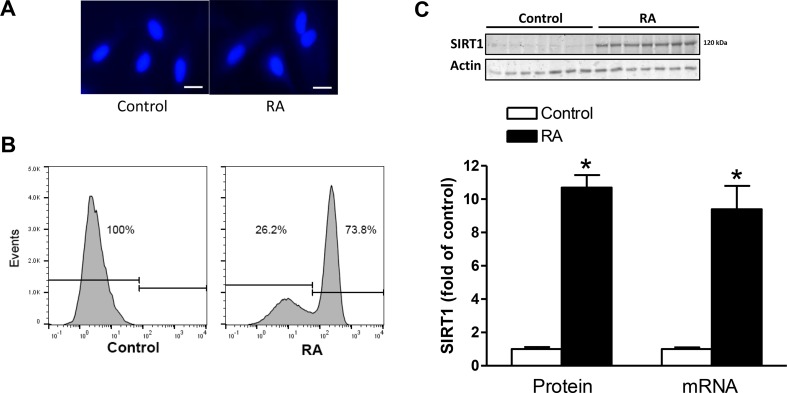
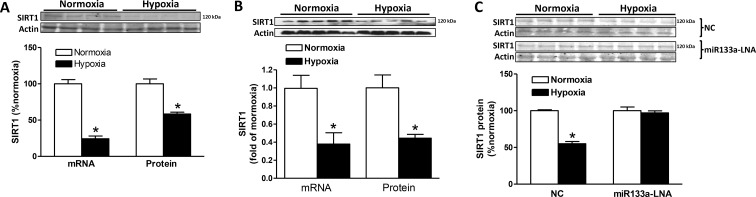
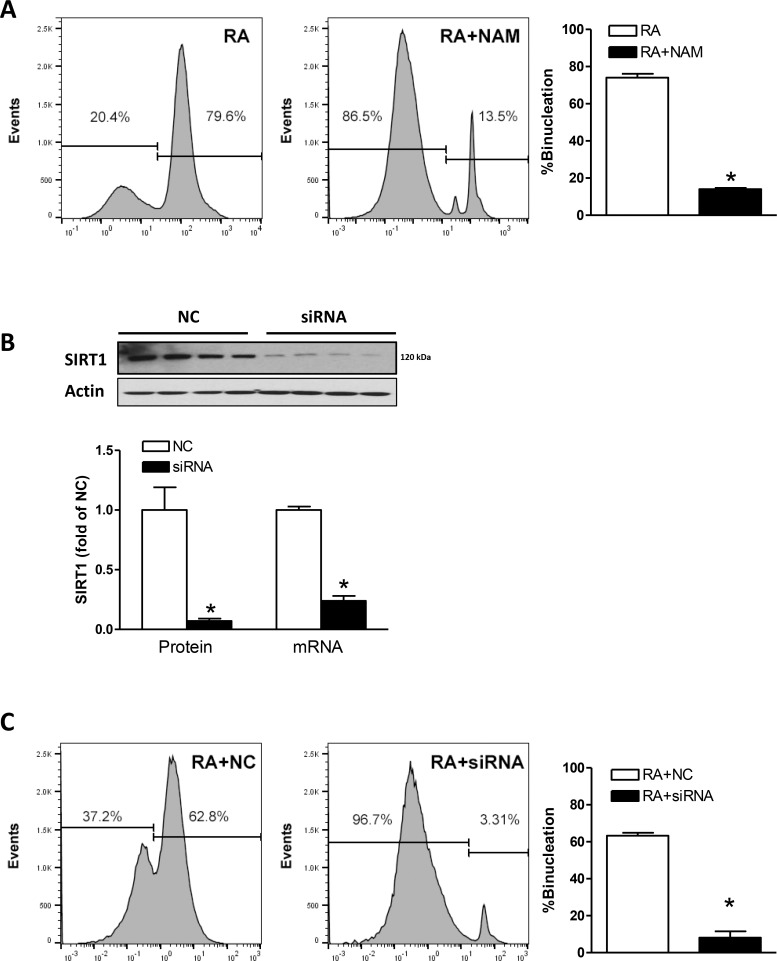
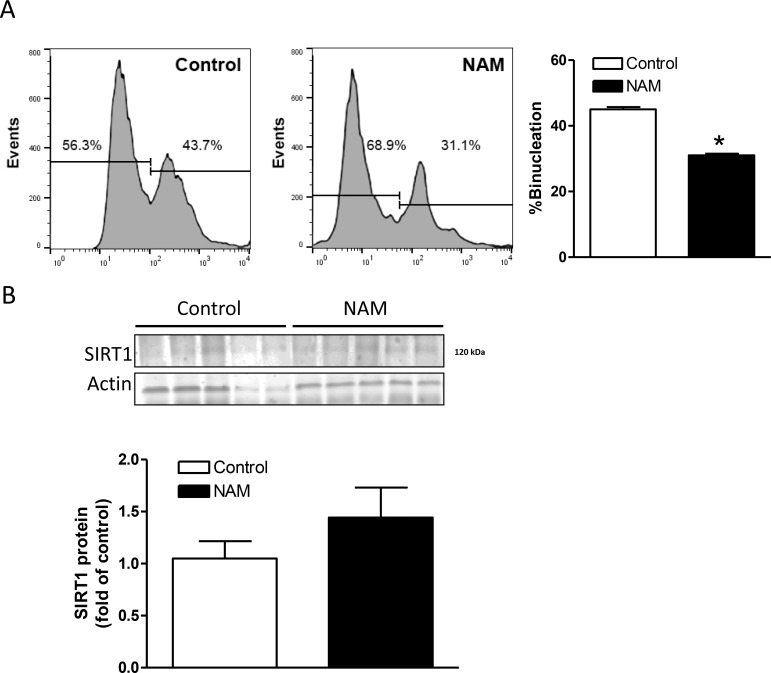
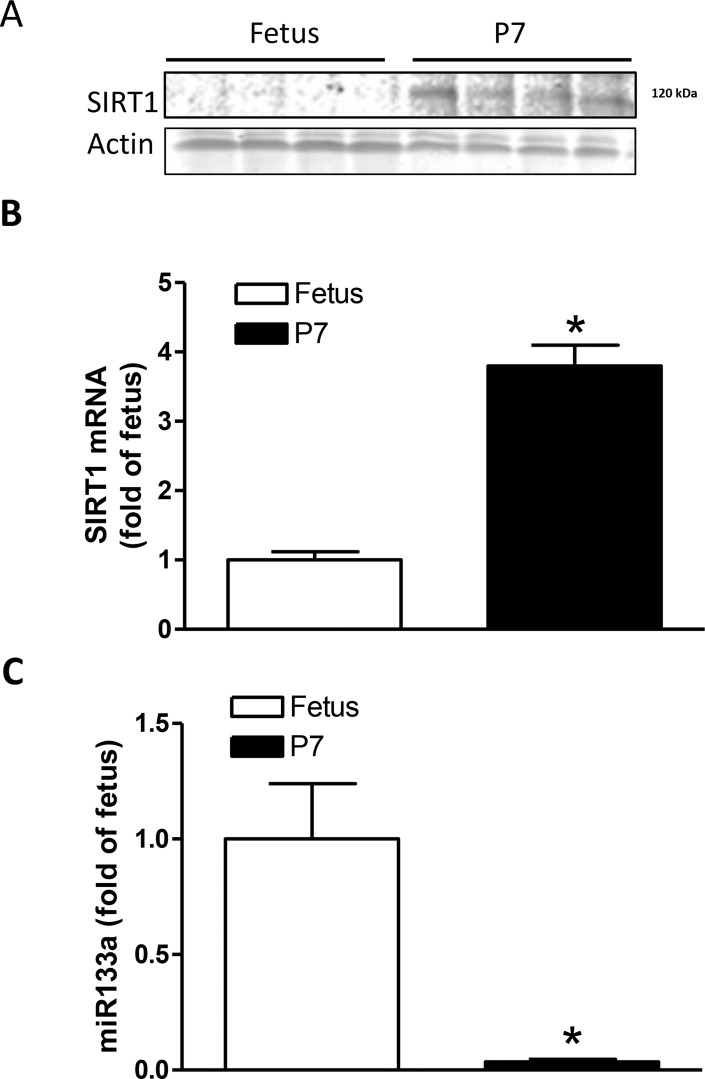
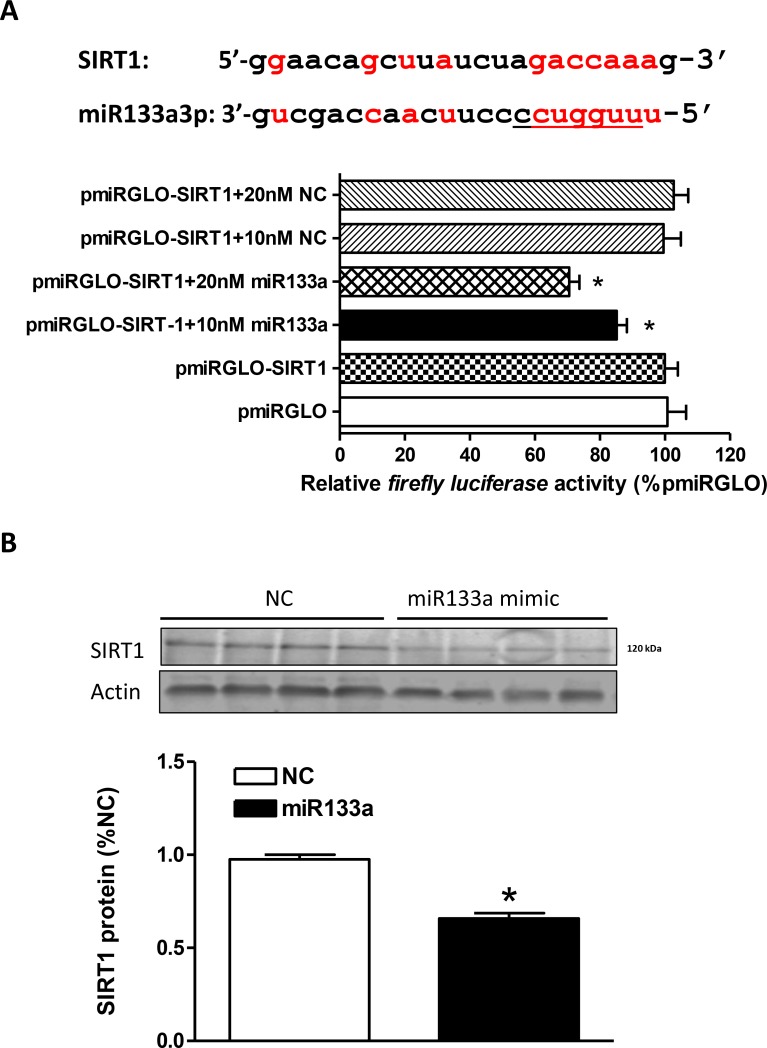
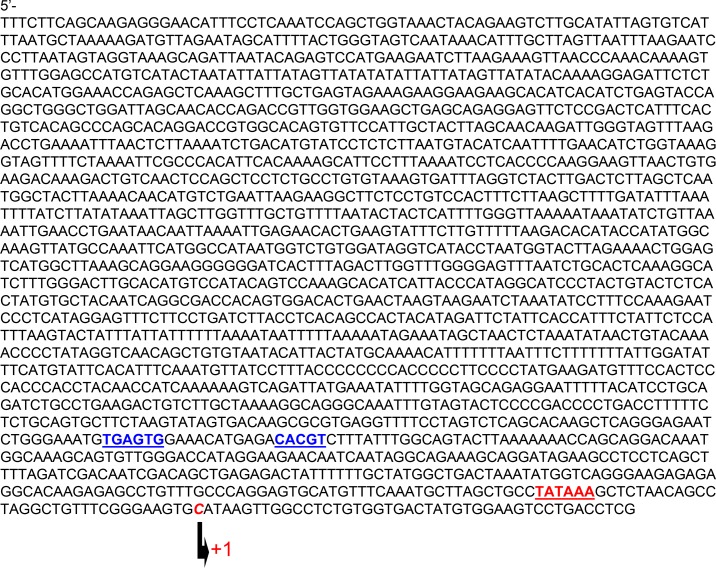
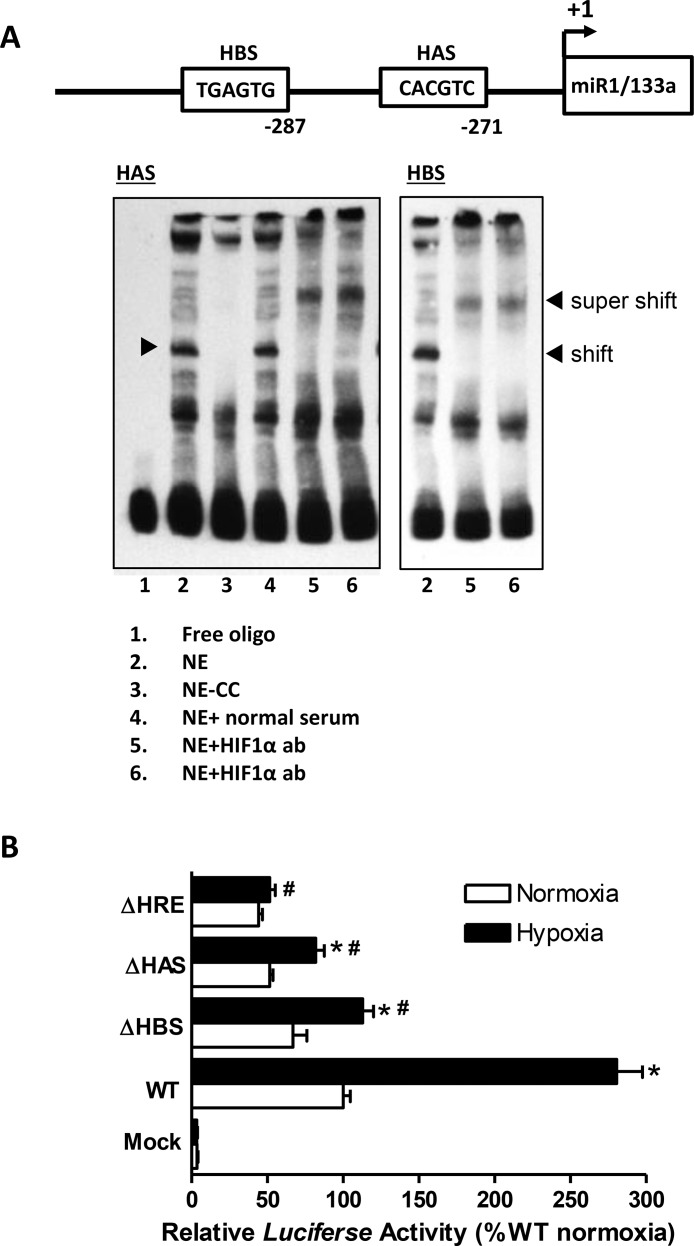
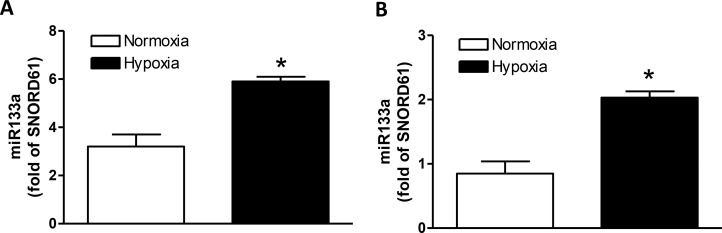
SIRT1 regulates cell senescence. We investigated a novel role of SIRT1 in the regulation of cardiomyocyte terminal differentiation in the developing heart. Retinoic acid (RA)-induced binucleation of H9c2 cells was associated with increased SIRT1 expression. Inhibition of SIRT1 activity or expression significantly decreased RA-induced binucleation. SIRT1 expression was minimal in the fetal heart and significantly upregulated in the hearts of postnatal day 7 (P7) rat pups. In contrast, heart-specific miR-133a expression was high in the fetal heart but significantly reduced in P7 pup hearts. The miR-133a promoter contains a canonical HRE element and hypoxia upregulated miR-133a gene expression in the heart. SIRT1 mRNA 3'UTR has miR-133a binding sequences and miR-133a and hypoxia suppressed SIRT1 expression in cardiomyocytes. Of importance, inhibition of SIRT1 significantly reduced binucleated cardiomyocytes in the hearts of P7 pups. Taken together, the present study reveals a novel role of SIRT1 and its regulation by miR-133a in cardiomyocyte terminal differentiation of the developing heart, and suggests a potential therapeutic strategy that may impact cardiac function later in life.
SIRT1调节细胞衰老。我们研究了SIRT1在发育中心脏心肌细胞终末分化调控中的新作用。视黄酸(RA)诱导的H9c2细胞双核化与SIRT1表达增加有关。抑制SIRT1活性或表达显著降低RA诱导的双核化。SIRT1在胎儿心脏中的表达最低,在出生后第7天(P7)大鼠幼崽的心脏中显著上调。相反,心脏特异性miR-133a在胎儿心脏中表达较高,但在P7幼崽心脏中显著降低。miR-133a启动子包含一个典型的缺氧反应元件(HRE),缺氧上调心脏中miR-133a基因的表达。SIRT1 mRNA 3'非翻译区(UTR)具有miR-133a结合序列,miR-133a和缺氧抑制心肌细胞中SIRT1的表达。重要的是,抑制SIRT1显著减少了P7幼崽心脏中的双核心肌细胞。综上所述,本研究揭示了SIRT1及其受miR-133a调控在发育中心脏心肌细胞终末分化中的新作用,并提出了一种可能影响后期心脏功能的潜在治疗策略。