Hui Qin, Zhang Qi, Li Xuan, Wang Kundi, Zhang Jing, Zhou Zhongshu
Department of Pediatrics, China-Japan Friendship Hospital, Chaoyang District, Beijing, China.
Graduate School of Peking Union Medical College, Chinese Academy of Medical Sciences, Beijing, China.
Arch Med Sci. 2020 Apr 14;20(1):289-301. doi: 10.5114/aoms.2020.94410. eCollection 2024.
MicroRNA-133a-3p (miR-133a-3p) is a potential gene regulator having an important role in the process of inflammation and lung injury. The present work studied the role of miR-133a-3p in sepsis-mediated acute respiratory distress syndrome (ARDS) and the mechanism involved.
C57BL/6 mice were selected for the study. Protein expression of Bcl-2, cleaved caspase-3 and Bax was assessed by western blot analysis. Expression of mRNA was assessed by RT-PCR. Effects of inflammation were studied by myeloperoxidase (MPO) activity. Quantification of albumin was done by measuring the albumin conjugated with Evan's blue. The alveolar macrophages were separated from the lungs of mice by the bronchoalveolar lavage procedure and were submitted to sepsis challenge ; the macrophages were treated with lipopolysaccharide (LPS).
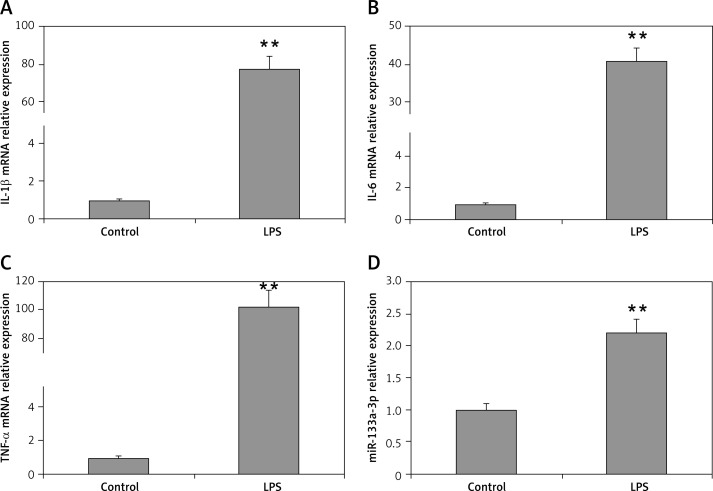
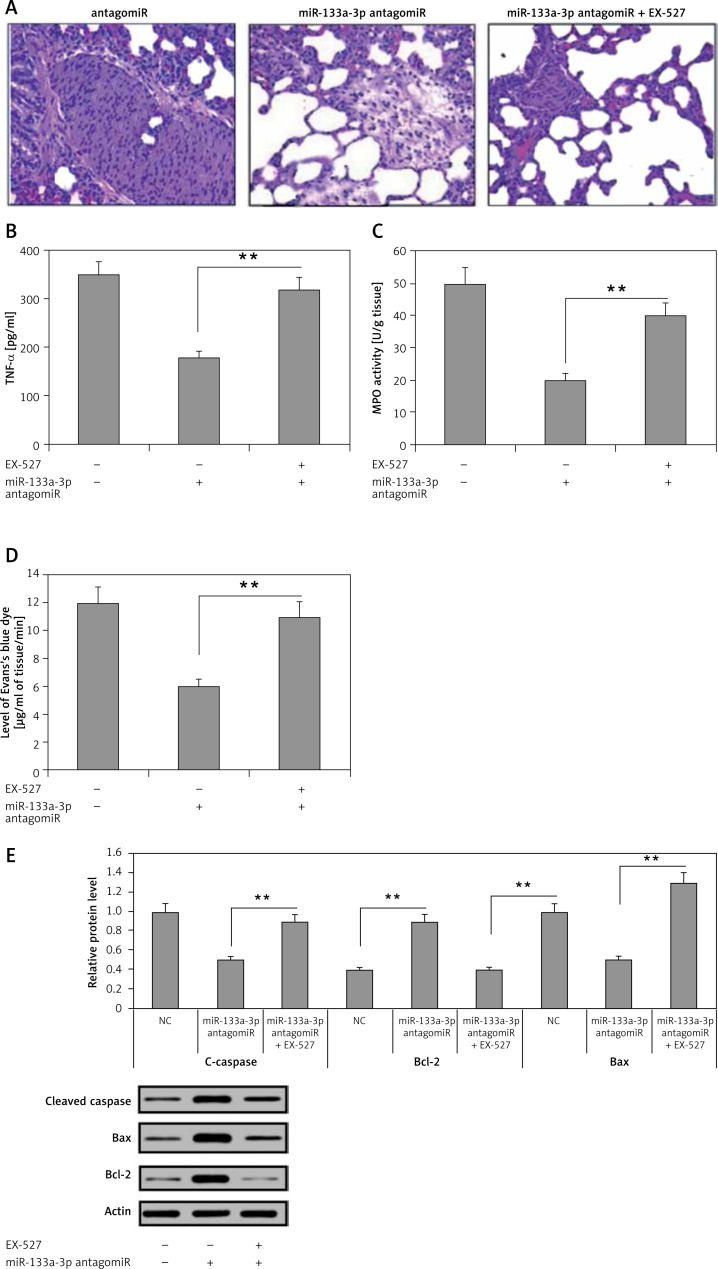
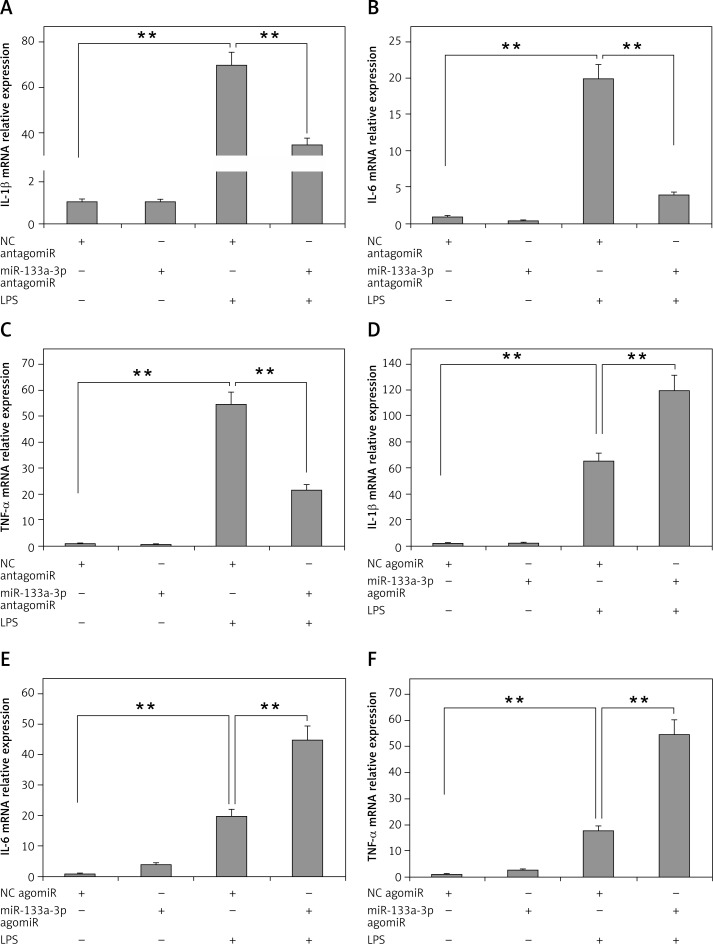
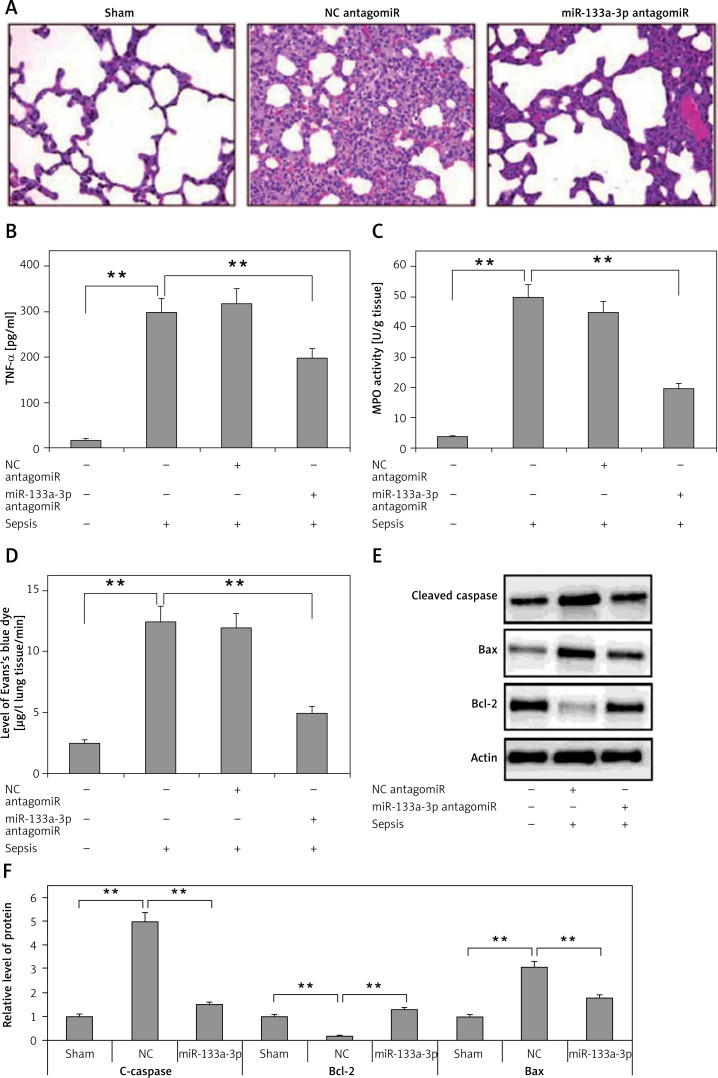
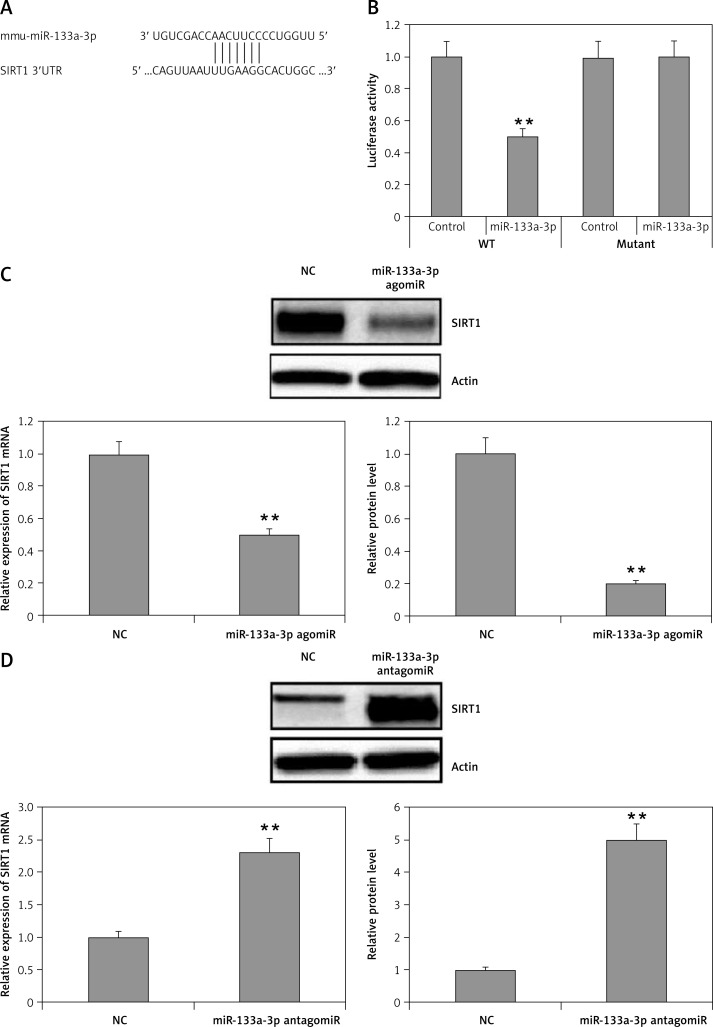
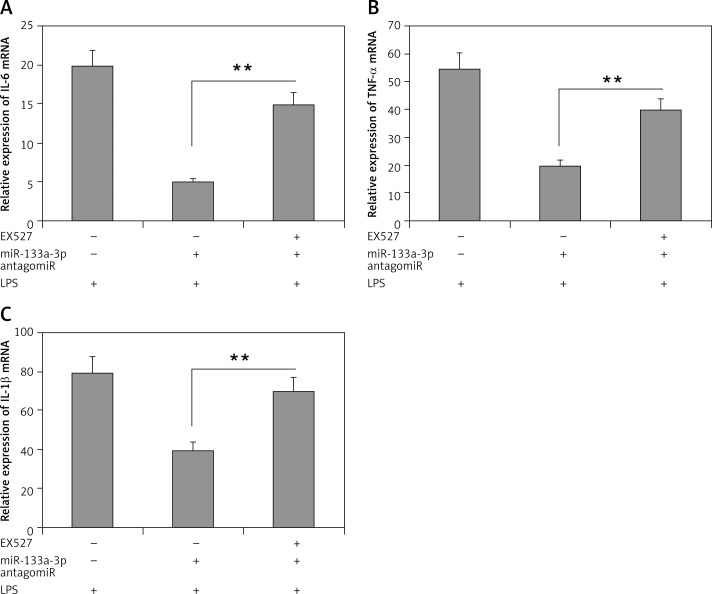
Treatment of LPS resulted in upregulation of miR-133a-3p in alveolar macrophages. Suppression of miR-133a-3p halted the over-expression of inflammatory cytokines in macrophages and caused remission of histopathologic changes. The ARDS lungs showed a decrease in levels of proinflammatory cytokines and an increase in levels of apoptotic protein, establishing the protective role for miR-133a-3p. The results suggested sirtuin 1 (SIRT1) as a potential target of miR-133a-3p in the macrophages, also showing that expression of SIRT1 was inversely associated with expression of miR-133a-3p. The protective effect of miR-133a-3p down-regulation in LPS-mediated alveolar macrophages and sepsis-induced ARDS could be corrected by a SIRT1 inhibitor.
Down-regulation of miR-133a-3p may exert a protective effect on lung tissue against sepsis-mediated ARDS by up-regulating the levels of SIRT1 via suppressing the inflammatory response and inhibiting the cellular apoptosis in lung tissues.
微小RNA - 133a - 3p(miR - 133a - 3p)是一种潜在的基因调节因子,在炎症和肺损伤过程中发挥重要作用。本研究探讨了miR - 133a - 3p在脓毒症介导的急性呼吸窘迫综合征(ARDS)中的作用及其相关机制。
选用C57BL/6小鼠进行研究。通过蛋白质免疫印迹分析评估Bcl - 2、裂解的半胱天冬酶 - 3和Bax的蛋白表达。通过逆转录聚合酶链反应(RT - PCR)评估mRNA表达。通过髓过氧化物酶(MPO)活性研究炎症效应。通过测量与伊文思蓝结合的白蛋白来定量白蛋白。通过支气管肺泡灌洗程序从小鼠肺部分离肺泡巨噬细胞,并使其受到脓毒症刺激;巨噬细胞用脂多糖(LPS)处理。
LPS处理导致肺泡巨噬细胞中miR - 133a - 3p上调。抑制miR - 133a - 3p可阻止巨噬细胞中炎性细胞因子的过度表达,并使组织病理学变化得到缓解。ARDS肺组织中促炎细胞因子水平降低,凋亡蛋白水平升高,证实了miR - 133a - 3p的保护作用。结果表明沉默调节蛋白1(SIRT1)是巨噬细胞中miR - 133a - 3p的潜在靶点,同时还表明SIRT1的表达与miR - 133a - 3p的表达呈负相关。SIRT1抑制剂可纠正miR - 133a - 3p下调对LPS介导的肺泡巨噬细胞和脓毒症诱导的ARDS的保护作用。
下调miR - 133a - 3p可能通过抑制肺组织中的炎症反应和细胞凋亡,上调SIRT1水平,从而对脓毒症介导的ARDS肺组织发挥保护作用。