Lategan Kim, Alghadi Hend, Bayati Mohamed, de Cortalezzi Maria Fidalgo, Pool Edmund
Department of Medical Bioscience, University of the Western Cape, Cape Town 7535, South Africa.
Department of Civil and Environmental Engineering, University of Missouri, Columbia, MO 65211, USA.
Nanomaterials (Basel). 2018 Feb 24;8(2):125. doi: 10.3390/nano8020125.
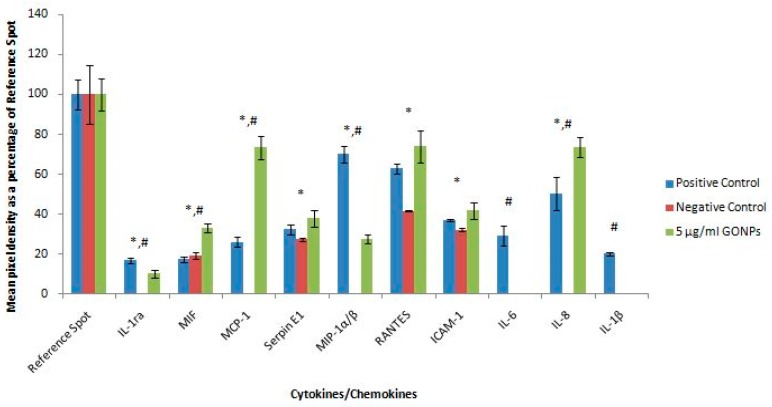
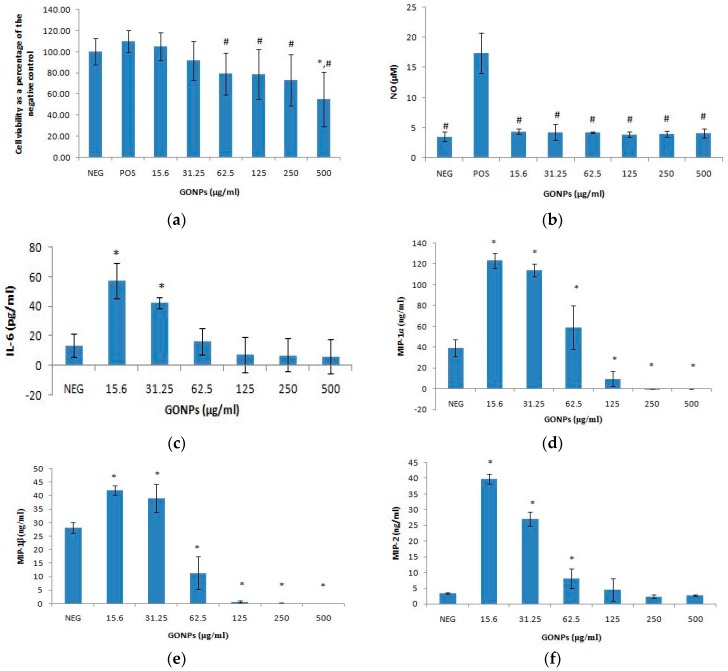
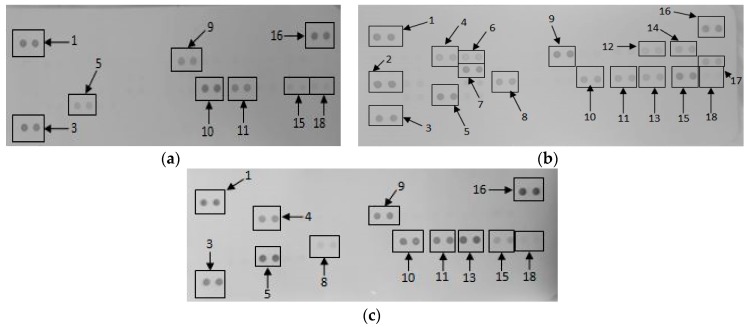
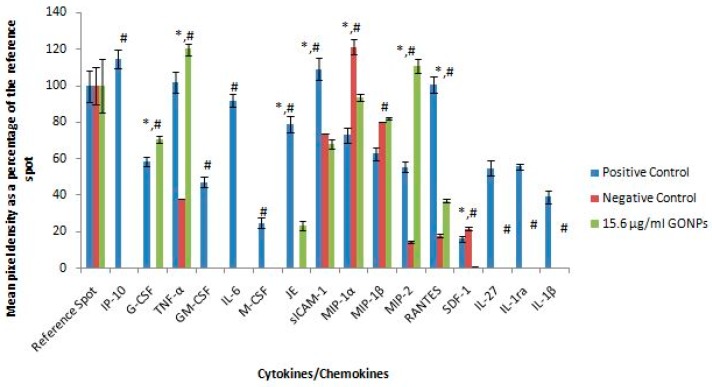
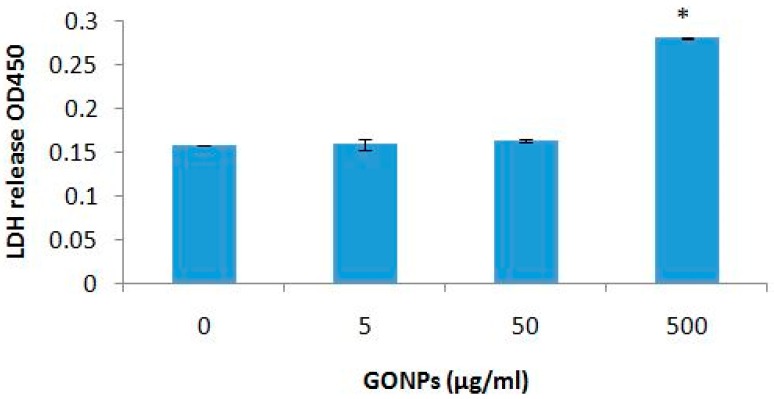
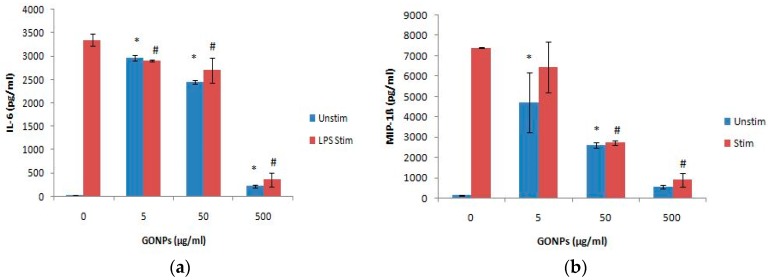
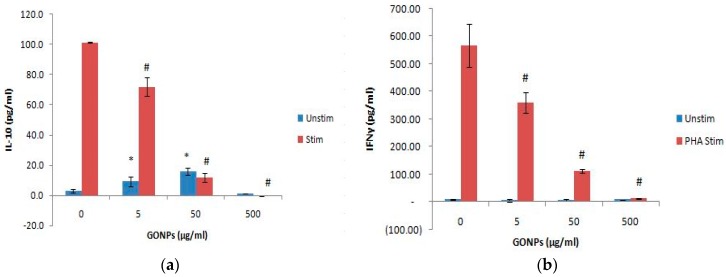
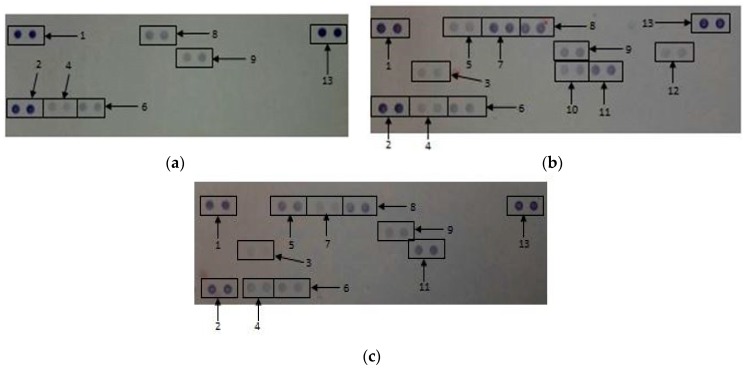
Graphene oxide nanoparticles (GONPs) have attracted a lot of attention due to their many applications. These applications include batteries, super capacitors, drug delivery and biosensing. However, few studies have investigated the effects of these nanoparticles on the immune system. In this study, the in vitro effects of GONPs on the immune system was evaluated by exposing murine macrophages, RAW 264.7 cells and human whole blood cell cultures (to GONPs. The effects of GONPs on RAW cells were monitored under basal conditions. The whole blood cell cultures were exposed to GONPs in the presence or absence of the mitogens lipopolysaccharide (LPS) and phytohaemmagglutinin (PHA). A number of parameters were monitored for both RAW and whole blood cell cultures, these included cytotoxicity, inflammatory biomarkers, cytokines of the acquired immune system and a proteome profile analysis. The GONPs were cytotoxic to both RAW and whole blood cell cultures at 500 μg/mL. In the absence of LPS, GONPs elicited an inflammatory response from the murine macrophage, RAW and whole blood cell cultures at 15.6 and 5 μg/mL respectively. This activation was further corroborated by proteome profile analysis of both experimental cultures. GONPs inhibited LPS induced interleukin 6 (IL-6) synthesis and PHA induced interferon gamma (IFNγ) synthesis by whole blood cell cultures in a dose dependent manner. In the absence of mitogens, GONPs stimulated IL-10 synthesis by whole blood cell cultures. The current study shows that GONPs modulate immune system biomarkers and that these may pose a health risk to individuals exposed to this type of nanoparticle.
氧化石墨烯纳米颗粒(GONPs)因其众多应用而备受关注。这些应用包括电池、超级电容器、药物递送和生物传感。然而,很少有研究调查这些纳米颗粒对免疫系统的影响。在本研究中,通过将小鼠巨噬细胞、RAW 264.7细胞和人类全血细胞培养物暴露于GONPs来评估GONPs对免疫系统的体外影响。在基础条件下监测GONPs对RAW细胞的影响。全血细胞培养物在有或无丝裂原脂多糖(LPS)和植物血凝素(PHA)的情况下暴露于GONPs。对RAW和全血细胞培养物监测了多个参数,包括细胞毒性、炎症生物标志物、获得性免疫系统的细胞因子和蛋白质组谱分析。GONPs在500μg/mL时对RAW和全血细胞培养物均具有细胞毒性。在无LPS的情况下,GONPs分别在15.6μg/mL和5μg/mL时引起小鼠巨噬细胞、RAW和全血细胞培养物的炎症反应。两种实验培养物的蛋白质组谱分析进一步证实了这种激活。GONPs以剂量依赖的方式抑制全血细胞培养物中LPS诱导的白细胞介素6(IL-6)合成和PHA诱导的干扰素γ(IFNγ)合成。在无丝裂原的情况下,GONPs刺激全血细胞培养物合成IL-10。当前研究表明,GONPs可调节免疫系统生物标志物,并且这些可能对接触此类纳米颗粒的个体构成健康风险。