SALUVET, Animal Health Department, Faculty of Veterinary Sciences, Complutense University of Madrid, Ciudad Universitaria s/n, 28040 Madrid, Spain.
SALUVET, Animal Health Department, Faculty of Veterinary Sciences, Complutense University of Madrid, Ciudad Universitaria s/n, 28040 Madrid, Spain; Department of Animal Medicine and Surgery, Faculty of Veterinary Sciences, Complutense University of Madrid, Ciudad Universitaria s/n, 28040 Madrid, Spain.
Int J Parasitol Drugs Drug Resist. 2018 Apr;8(1):112-124. doi: 10.1016/j.ijpddr.2018.02.003. Epub 2018 Mar 2.
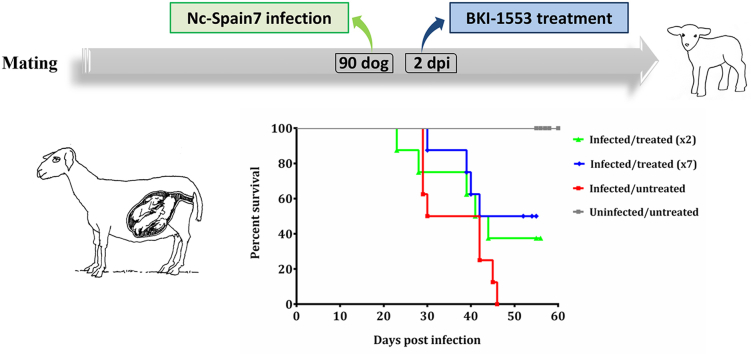
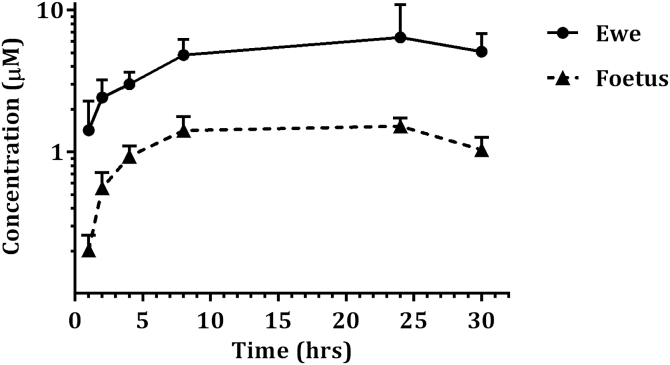
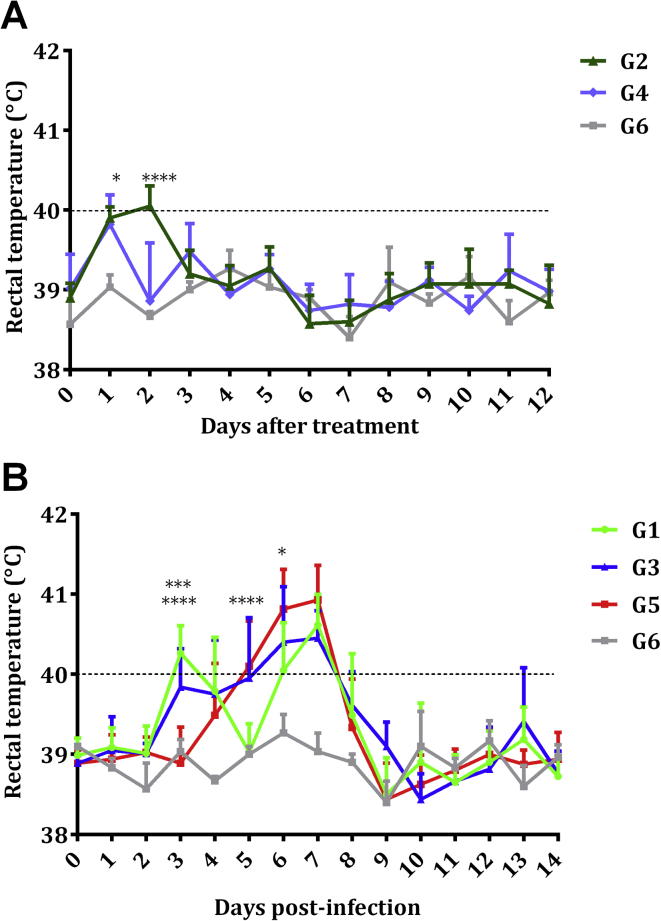
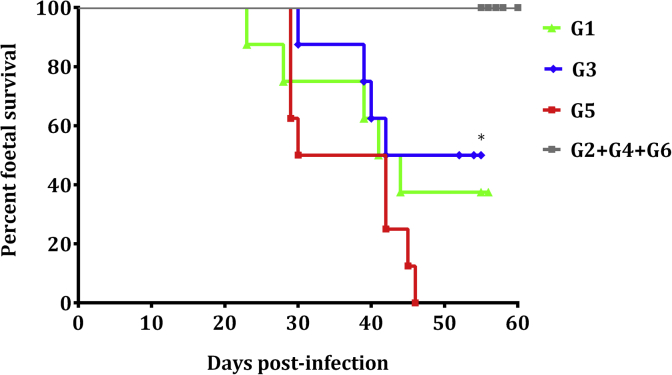
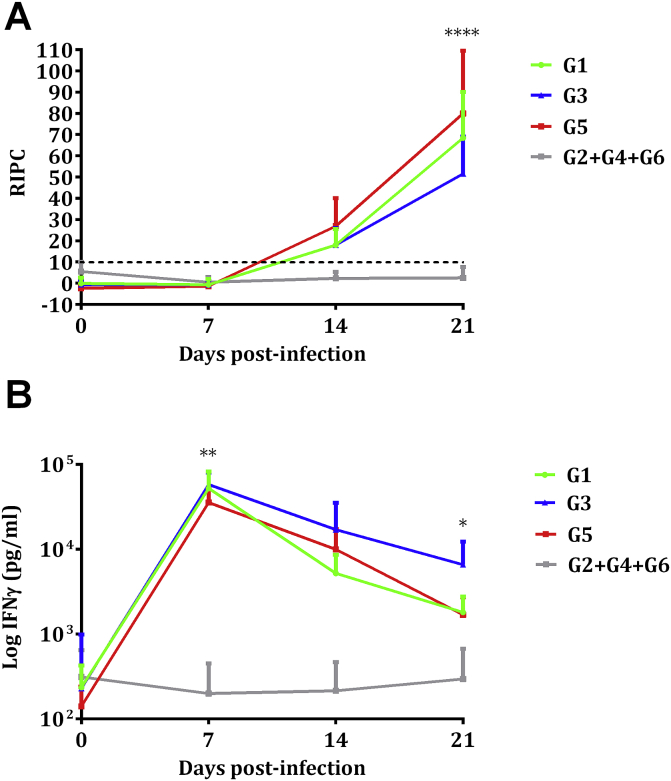
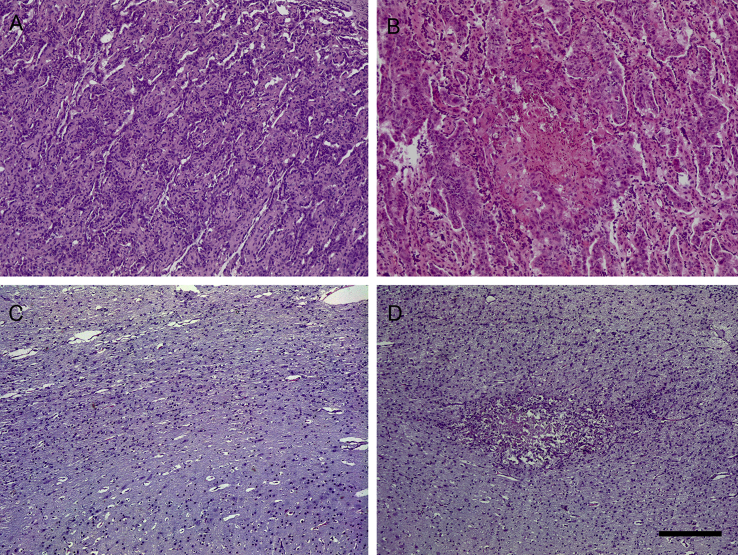
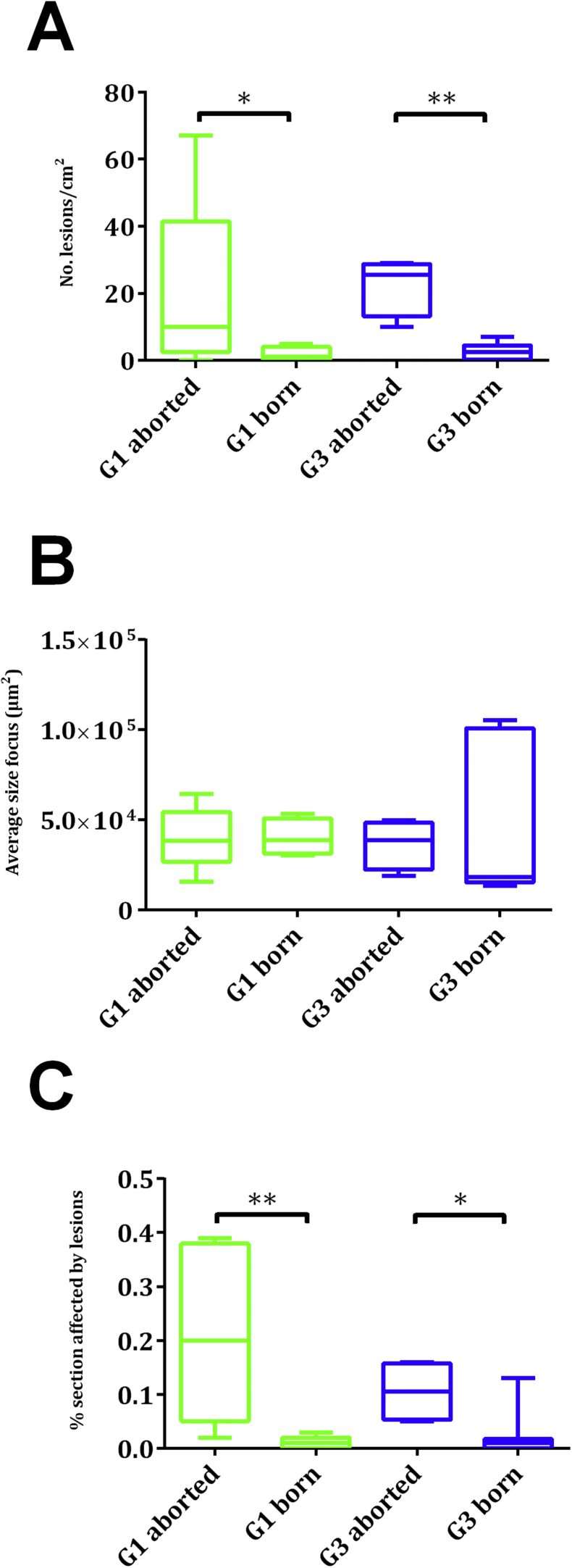
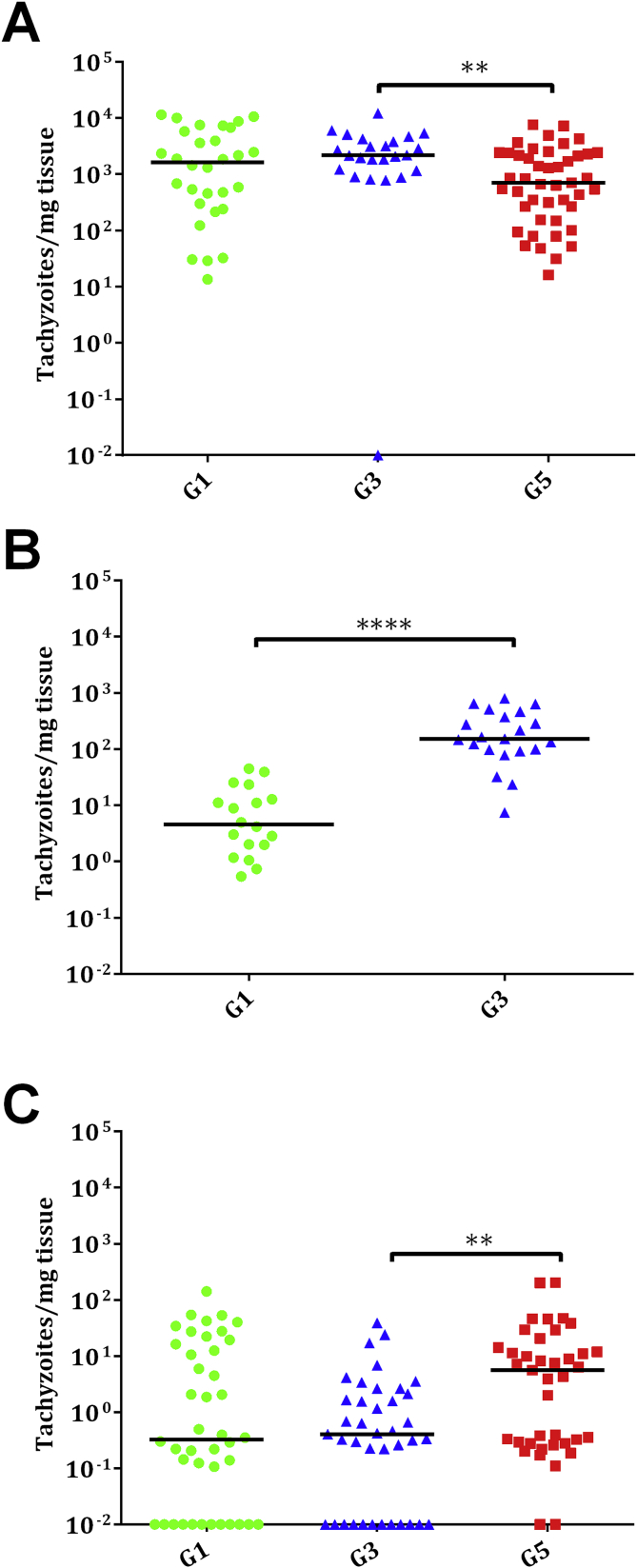
Neospora caninum is one of the main causes of abortion in cattle, and recent studies have highlighted its relevance as an abortifacient in small ruminants. Vaccines or drugs for the control of neosporosis are lacking. Bumped kinase inhibitors (BKIs), which are ATP-competitive inhibitors of calcium dependent protein kinase 1 (CDPK1), were shown to be highly efficacious against several apicomplexan parasites in vitro and in laboratory animal models. We here present the pharmacokinetics, safety and efficacy of BKI-1553 in pregnant ewes and foetuses using a pregnant sheep model of N. caninum infection. BKI-1553 showed exposure in pregnant ewes with trough concentrations of approximately 4 μM, and of 1 μM in foetuses. Subcutaneous BKI-1553 administration increased rectal temperatures shortly after treatment, and resulted in dermal nodules triggering a slight monocytosis after repeated doses at short intervals. BKI-1553 treatment decreased fever in infected pregnant ewes already after two applications, resulted in a 37-50% reduction in foetal mortality, and modulated immune responses; IFNγ levels were increased early after infection and IgG levels were reduced subsequently. N. caninum was abundantly found in placental tissues; however, parasite detection in foetal brain tissue decreased from 94% in the infected/untreated group to 69-71% in the treated groups. In summary, BKI-1553 confers partial protection against abortion in a ruminant experimental model of N. caninum infection during pregnancy. In addition, reduced parasite detection, parasite load and lesions in foetal brains were observed.
刚地弓形虫是导致牛流产的主要原因之一,最近的研究强调了其作为小反刍动物流产因子的相关性。目前缺乏针对弓形虫病的疫苗或药物。Bumped 激酶抑制剂(BKIs)是钙依赖性蛋白激酶 1(CDPK1)的 ATP 竞争性抑制剂,已被证明在体外和实验室动物模型中对几种顶复门寄生虫具有高度疗效。我们在此使用刚地弓形虫感染的妊娠绵羊模型,介绍了 BKI-1553 在妊娠母羊和胎儿中的药代动力学、安全性和疗效。BKI-1553 在妊娠母羊中具有约 4 μM 的谷浓度,在胎儿中具有 1 μM 的暴露浓度。皮下给予 BKI-1553 后,治疗后不久直肠温度升高,并在短时间内重复给药后导致皮肤结节,引发轻微单核细胞增多症。BKI-1553 治疗在两次给药后即可降低感染妊娠母羊的发热,导致胎儿死亡率降低 37-50%,并调节免疫反应;感染后早期 IFNγ 水平升高,随后 IgG 水平降低。刚地弓形虫在胎盘组织中大量存在;然而,在治疗组中,感染/未治疗组中胎儿脑组织中的寄生虫检测从 94%降低至 69-71%。总之,BKI-1553 在妊娠期间的刚地弓形虫感染反刍动物实验模型中提供了部分保护,防止流产。此外,还观察到胎儿大脑中的寄生虫检测、寄生虫载量和病变减少。