Department of Parasitology, Zhongshan School of Medicine, Sun Yat-sen University, Guangzhou, China.
Key Laboratory for Tropical Diseases Control, Sun Yat-sen University, Ministry of Education, Guangzhou, Guangdong, China.
PLoS Negl Trop Dis. 2018 Mar 5;12(3):e0006251. doi: 10.1371/journal.pntd.0006251. eCollection 2018 Mar.
Clonorchis sinensis (C. sinensis) is the most widespread human liver fluke in East Asia including China and Korea. Clonorchiasis as a neglected tropical zoonosis, leads to serious economic and public health burden in China. There are considerable evidences for an etiological relation between chronic clonorchiasis and liver fibrosis in human beings. Liver fibrosis is a highly conserved and over-protected response to hepatic tissue injury. Immune cells including CD4+ T cell as well as dendritic cell (DC), and pro-fibrogenic cytokines like interleukin 4 (IL-4), IL-13 have been identified as vital manipulators in liver fibrogenesis. Our previous studies had a mere glimpse of T helper type 2 (Th2) dominant immune responses as key players in liver fibrosis induced by C. sinensis infection, but little is known about the involved mechanisms in this pathological process.
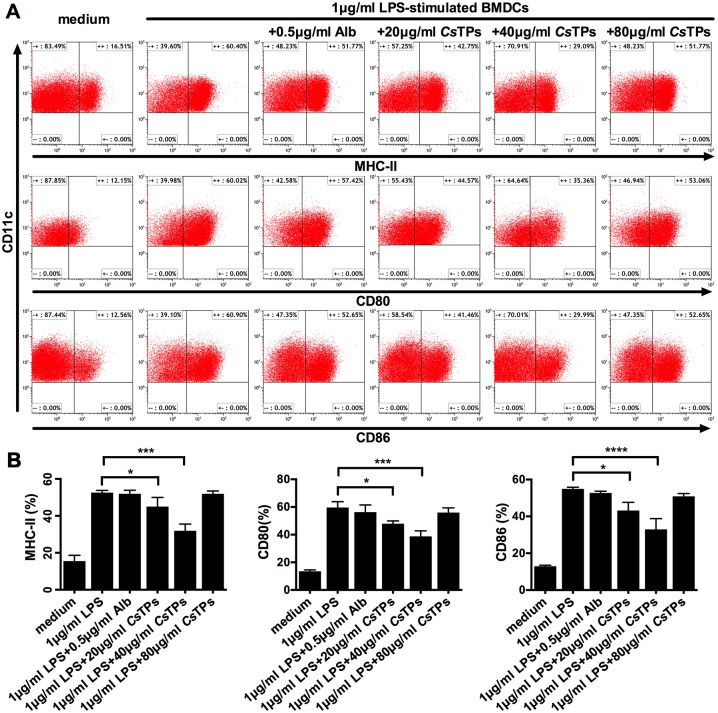
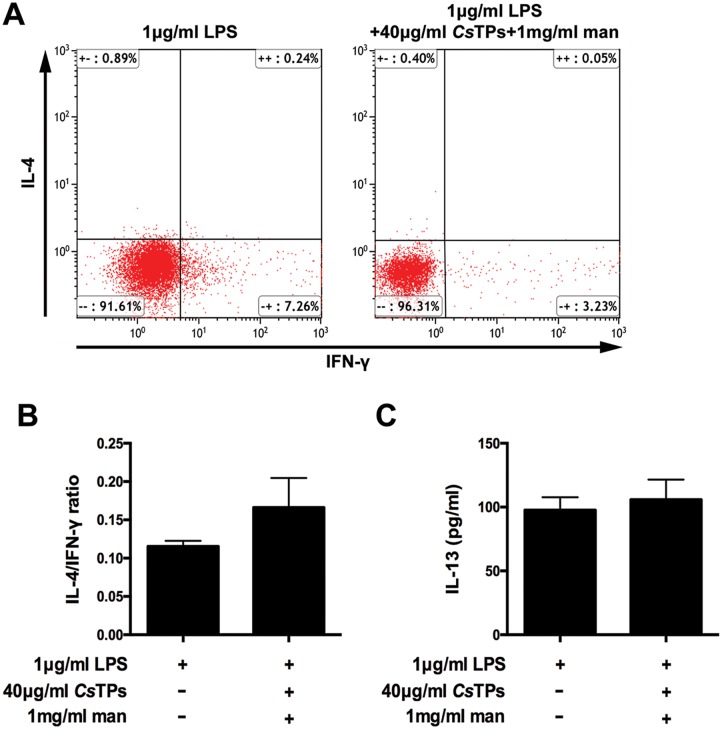
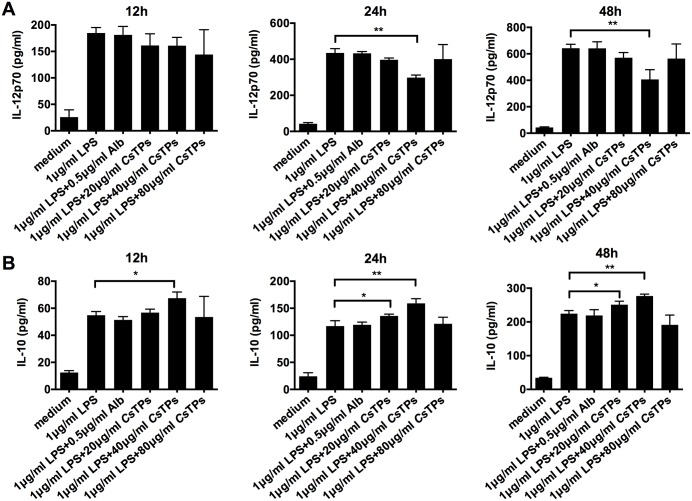
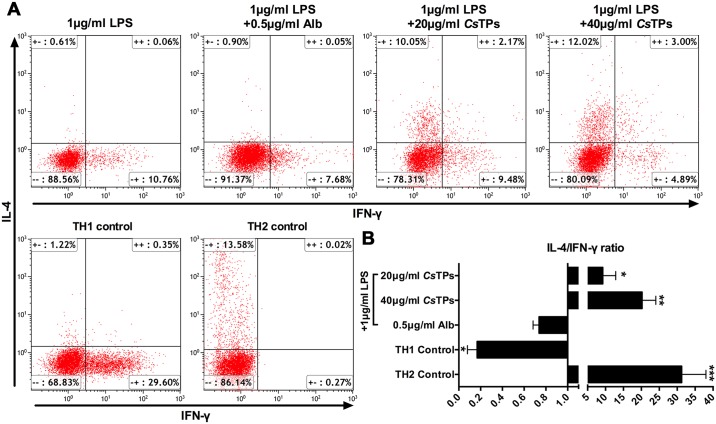
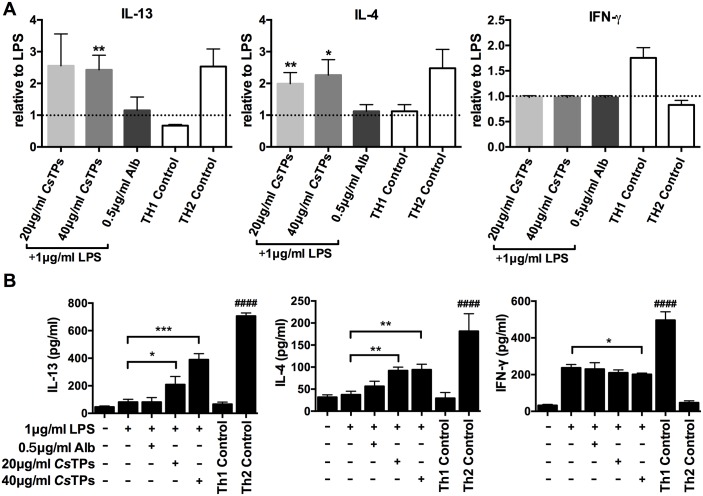
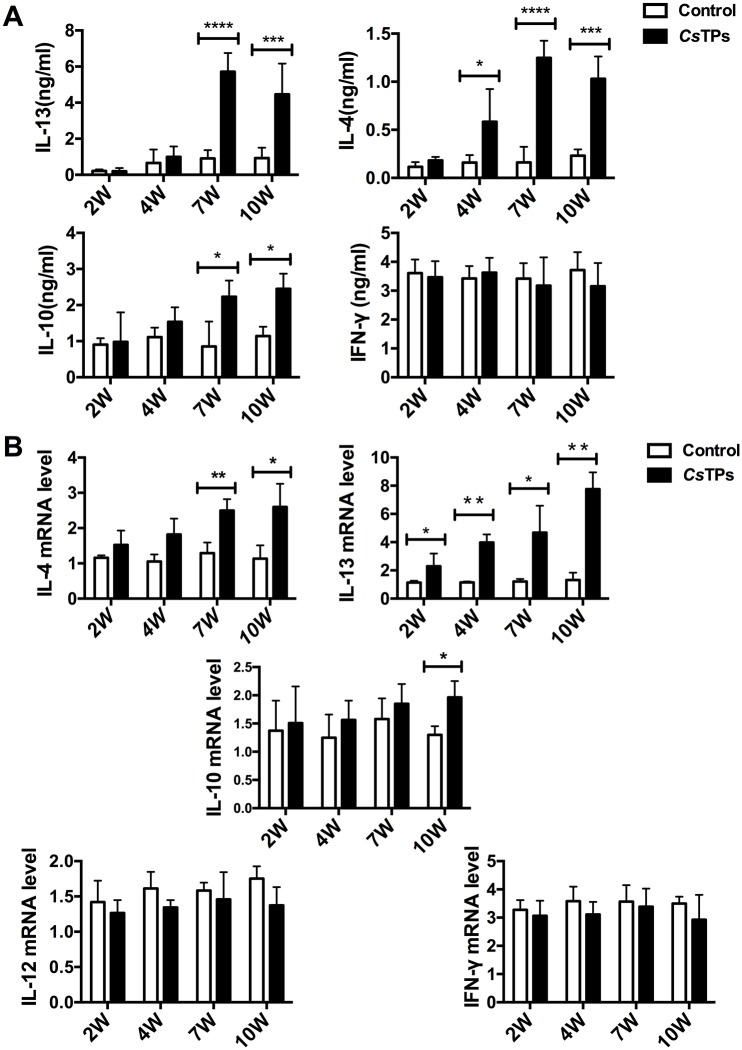
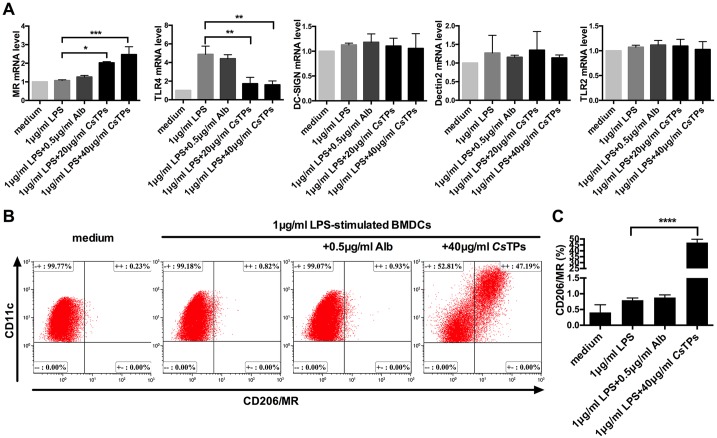
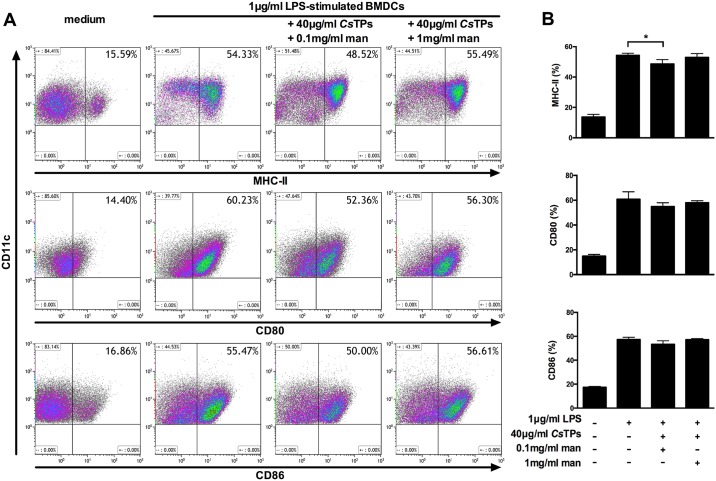
METHODOLOGY/PRINCIPAL FINDINGS: By flow cytometry (FACS), adult-derived total proteins of C. sinensis (CsTPs) down-regulated the expression of surface markers CD80, CD86 and major histocompatibility complex class II (MHC-II) on lipopolysaccharide (LPS) induced DC. ELISA results demonstrated that CsTPs inhibited IL-12p70 release from LPS-treated bone marrow-derived dendritic cells (BMDC). IL-10 level increased in a time-dependent manner in LPS-treated BMDCs after incubation with CsTPs. CD4+ T cells incubated with LPS-treated BMDCs plus CsTPs could significantly elevate IL-4 level by ELISA. Meanwhile, elevated expression of pro-fibrogenic mediators including IL-13 and IL-4 were detected in a co-culture system of LPS-activated BMDCs and naive T cells containing CsTPs. In vivo, CsTPs-immunized mice enhanced expression of type 2 cytokines IL-13, IL-10 and IL-4 in both splenocytes and hepatic tissue. Exposure of BMDCs to CsTPs activated expression of mannose receptor (MR) but not toll like receptor 2 (TLR2), TLR4, C-type lectin receptor DC-SIGN and Dectin-2 on the cell surface by RT-PCR and FACS. Blockade of MR almost completely reversed the capacity of CsTPs to suppress LPS-induced BMDCs surface markers CD80, CD86 and MHC-II expression, and further made these BMDCs fail to induce a Th2-skewed response as well as Th2 cell-associated cytokines IL-13 and IL-4 release in vitro.
CONCLUSIONS/SIGNIFICANCE: Collectively, we validated that CsTPs could suppress the maturation of BMDCs in the presence of LPS via binding MR, and showed that the CsTPs-pulsed BMDCs actively polarized naive T helper cells to Th2 cells though the production of IL-10 instead of IL-12. CsTPs endowed host with the capacity to facilitate Th2 cytokines production including IL-13 and IL-4 in vitro and vivo. The study might provide useful information for developing potential therapeutic targets against the disease.
华支睾吸虫(C. sinensis)是东亚地区(包括中国和韩国)最广泛的人体肝吸虫。华支睾吸虫病作为一种被忽视的热带动物传染病,在中国造成了严重的经济和公共卫生负担。有相当多的证据表明,慢性华支睾吸虫病与人类肝纤维化之间存在病因关系。肝纤维化是一种高度保守和过度保护的肝组织损伤反应。免疫细胞,包括 CD4+ T 细胞和树突状细胞(DC),以及白细胞介素 4(IL-4)、白细胞介素 13(IL-13)等促纤维化细胞因子,已被确定为肝纤维化发生的重要调控因子。我们之前的研究仅初步观察到辅助性 T 细胞 2(Th2)优势免疫反应是华支睾吸虫感染诱导肝纤维化的关键因素,但对这一病理过程中的相关机制知之甚少。
方法/主要发现:通过流式细胞术(FACS),成虫来源的华支睾吸虫总蛋白(CsTPs)下调脂多糖(LPS)诱导的树突状细胞表面标志物 CD80、CD86 和主要组织相容性复合体 II(MHC-II)的表达。ELISA 结果表明,CsTPs 抑制 LPS 处理的骨髓来源树突状细胞(BMDC)释放 IL-12p70。LPS 处理的 BMDC 与 CsTPs 孵育后,IL-10 水平呈时间依赖性增加。与 LPS 处理的 BMDC 共培养的 CD4+T 细胞可通过 ELISA 显著提高 IL-4 水平。同时,在含有 CsTPs 的 LPS 激活的 BMDC 和幼稚 T 细胞的共培养系统中,检测到包括白细胞介素 13 和白细胞介素 4 在内的促纤维化介质的表达升高。体内实验中,CsTPs 免疫小鼠增强了脾细胞和肝组织中 2 型细胞因子白细胞介素 13、白细胞介素 10 和白细胞介素 4 的表达。RT-PCR 和 FACS 分析表明,CsTPs 处理的 BMDC 表面表达甘露糖受体(MR),但不表达 Toll 样受体 2(TLR2)、TLR4、C 型凝集素受体 DC-SIGN 和 Dectin-2。MR 阻断几乎完全逆转了 CsTPs 抑制 LPS 诱导的 BMDC 表面标志物 CD80、CD86 和 MHC-II 表达的能力,并进一步使这些 BMDC 无法诱导 Th2 偏向反应以及 Th2 细胞相关细胞因子白细胞介素 13 和白细胞介素 4 的释放。
综上所述,我们验证了 CsTPs 可以通过与 MR 结合,在 LPS 存在的情况下抑制 BMDC 的成熟。研究表明,CsTPs 脉冲 BMDC 可通过产生白细胞介素 10 而不是白细胞介素 12 来主动将幼稚 T 辅助细胞极化到 Th2 细胞。CsTPs 使宿主具有在体外和体内产生包括白细胞介素 13 和白细胞介素 4 在内的 Th2 细胞因子的能力。该研究可能为开发针对该疾病的潜在治疗靶点提供有用的信息。