Department of Nutritional Sciences, University of Vienna, Althanstrasse 14, 1090 Vienna, Austria.
Department of Environmental Health, Center for Public Health, Medical University of Vienna, Kinderspitalgasse 15, 1090 Vienna, Austria.
Nutrients. 2018 Mar 6;10(3):311. doi: 10.3390/nu10030311.
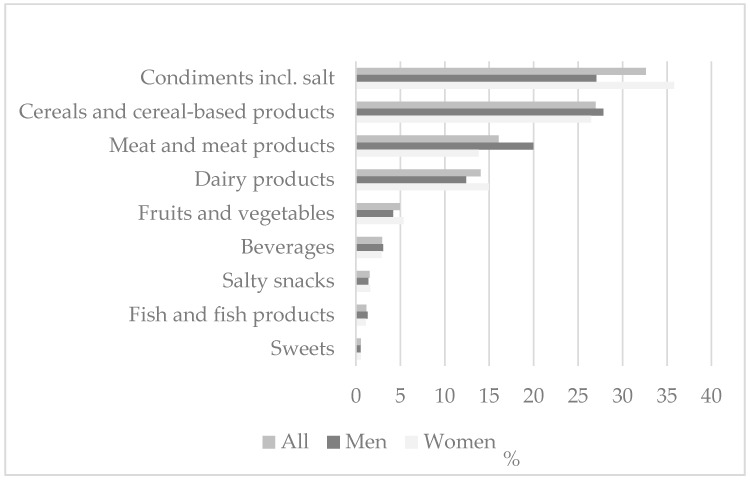
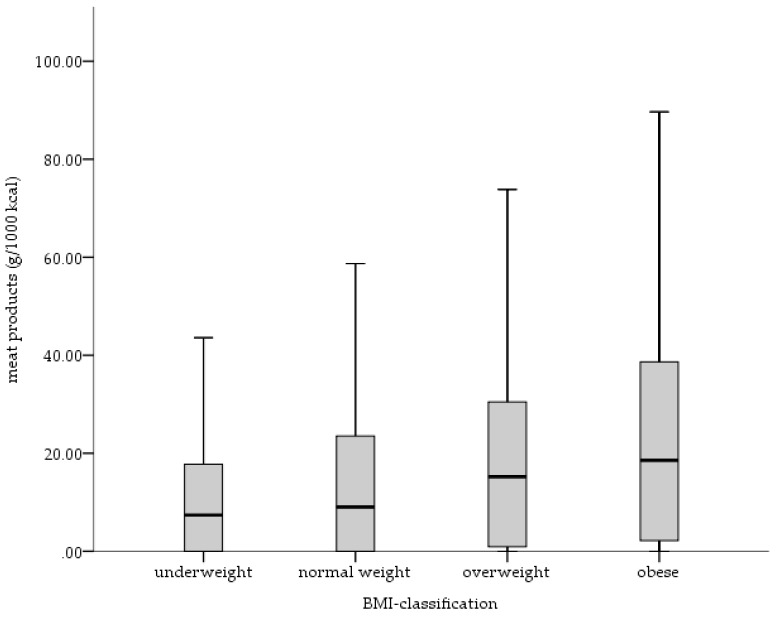
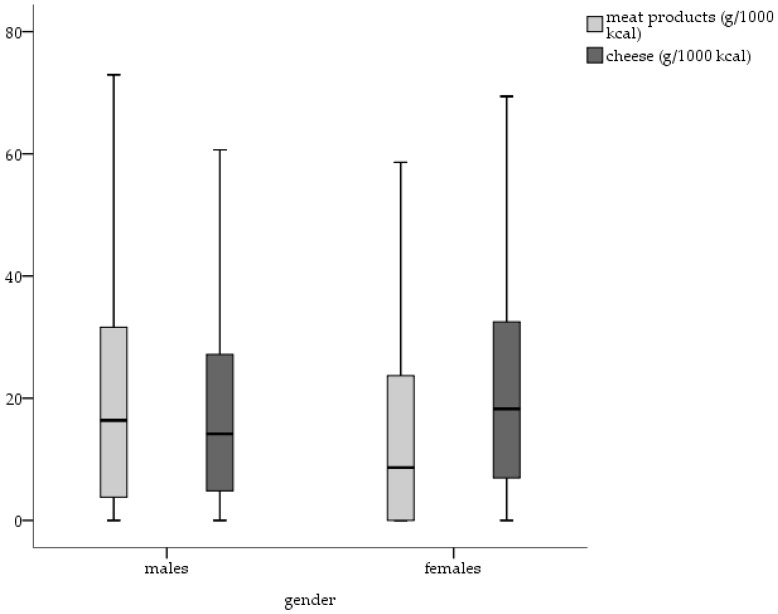
Excessive salt intake is known to increase blood pressure and cardiovascular risk. Nevertheless, salt intake exceeds the recommendations in most countries. To face this problem, it is important to identify high consumers as well as the main contributors of salt intake. Overall, data of 2018 adults between 18 and 64 years were analysed to determine the main sources, socio-demographic and anthropometric correlates of salt intake. Dietary intake was assessed from 24-h-recalls, information on socio-demographic characteristics was obtained using a questionnaire and anthropometric data were measured. Salt intake was significantly higher in males than in females. There was a significant positive association between salt intake and body mass index. No significant differences in salt intake were observed for other variables including affluence, educational level, smoking status and physical activity. The main contributor to salt intake were condiments including table salt (32.6%), followed by cereals and cereal products (27.0%), meat and meat products (16.1%) and dairy products (14.0%). These results highlight that specific population groups need to be targeted by public health initiatives and that a reduction in salt intake can only be achieved in tandem with the food producers by the reduction of salt in processed foods.
过量摄入盐会导致血压升高和心血管疾病风险增加。尽管如此,大多数国家的盐摄入量仍然超过了建议摄入量。为了解决这个问题,重要的是要确定高盐摄入人群以及盐摄入量的主要来源。总体而言,分析了 2018 年 18 至 64 岁成年人的数据,以确定盐摄入量的主要来源、社会人口统计学和人体测量学相关性。通过 24 小时回顾法评估饮食摄入情况,使用问卷获取社会人口统计学特征信息,并测量人体测量学数据。男性的盐摄入量明显高于女性。盐摄入量与体重指数呈显著正相关。盐摄入量在其他变量(包括富裕程度、教育水平、吸烟状况和身体活动)方面没有显著差异。盐摄入量的主要来源是调味品,包括食盐(32.6%),其次是谷物和谷物制品(27.0%)、肉类和肉类制品(16.1%)以及乳制品(14.0%)。这些结果表明,需要针对特定人群开展公共卫生举措,并且只有通过减少加工食品中的盐含量,才能与食品生产商一起实现盐摄入量的减少。