Magee Jared, Robles Matthew, Dunaway Peter
Madigan Army Medical Center, Tacoma, Washington, USA.
Case Rep Gastroenterol. 2018 Feb 1;12(1):41-45. doi: 10.1159/000486192. eCollection 2018 Jan-Apr.
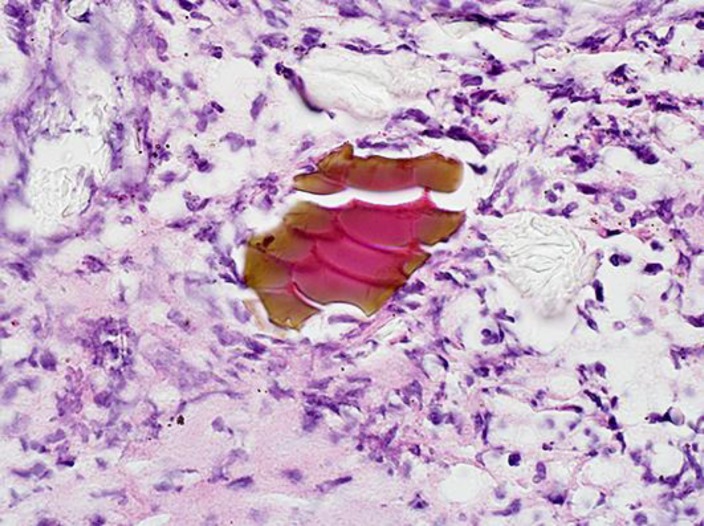
End-stage renal disease (ESRD) is a common disease encountered in clinical practice and is associated with increasing metabolic derangements through disease progression. Phosphate retention is one of the most common derangements and is associated with increased mortality. Hyperphosphatemia becomes increasingly prevalent as glomerular filtration rate decreases. Non-calcium phosphate-binding resins and dietary phosphate restriction are the mainstays for managing hyperphosphatemia in patients with ESRD. Sevelamer carbonate is the most frequently used non-calcium phosphate binder in the US due to ease of administration and an excellent safety profile. However, there is increasing recognition of gastrointestinal injury associated with medication use. Here we report a case of an 81-year-old male with biopsy-proven gastrointestinal mucosal injury secondary to sevelamer carbonate administration.
终末期肾病(ESRD)是临床实践中常见的疾病,随着疾病进展会出现越来越多的代谢紊乱。磷潴留是最常见的紊乱之一,与死亡率增加相关。随着肾小球滤过率降低,高磷血症越来越普遍。非钙磷结合树脂和饮食磷限制是ESRD患者高磷血症管理的主要方法。碳酸司维拉姆由于给药方便且安全性良好,是美国最常用的非钙磷结合剂。然而,人们越来越认识到与药物使用相关的胃肠道损伤。在此,我们报告一例81岁男性患者,经活检证实因服用碳酸司维拉姆继发胃肠道黏膜损伤。