Valeeva Lia R, Nyamsuren Chuluuntsetseg, Sharipova Margarita R, Shakirov Eugene V
Institute of Fundamental Medicine and Biology, Kazan (Volga Region) Federal University, Kazan, Russia.
Department of Integrative Biology, The University of Texas at Austin, Austin, TX, United States.
Front Plant Sci. 2018 Feb 20;9:186. doi: 10.3389/fpls.2018.00186. eCollection 2018.
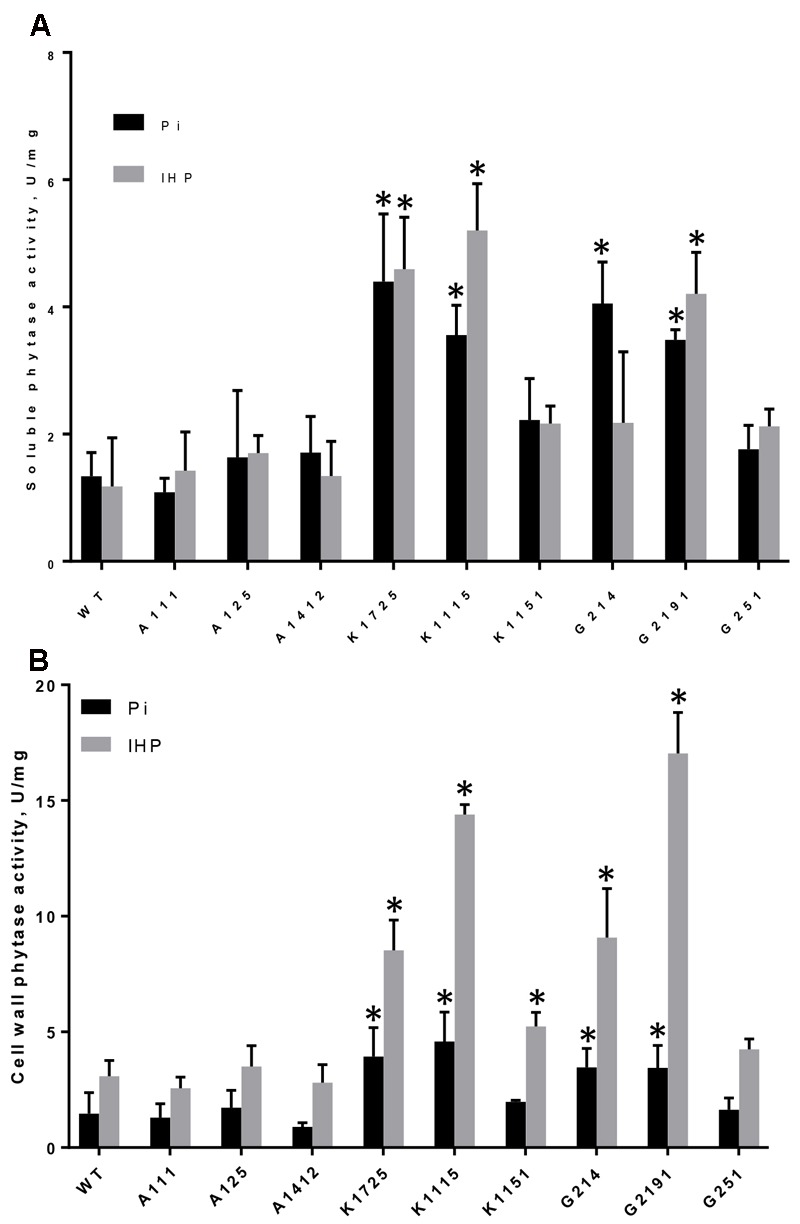
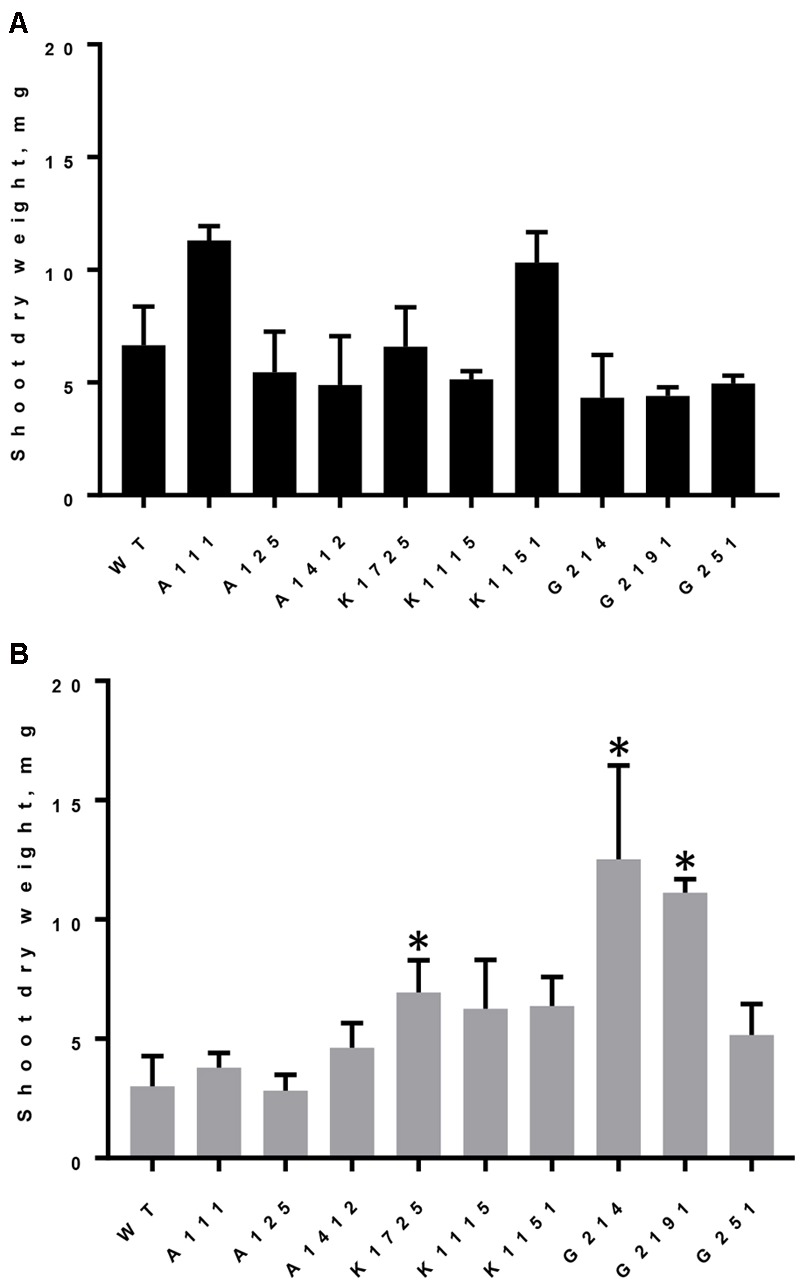
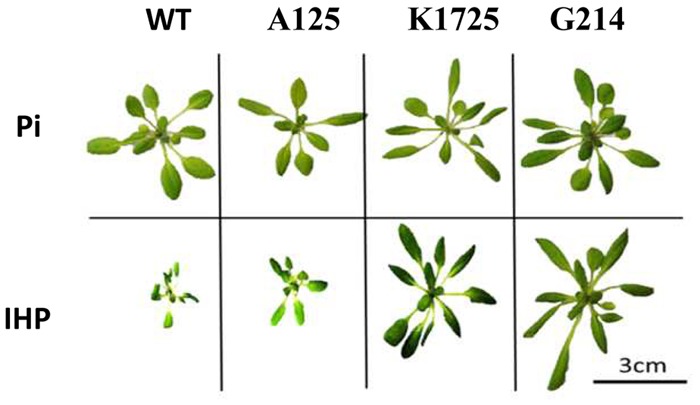
Phytases are specialized phosphatases capable of releasing inorganic phosphate from -inositol hexakisphosphate (phytate), which is highly abundant in many soils. As inorganic phosphorus reserves decrease over time in many agricultural soils, genetic manipulation of plants to enable secretion of potent phytases into the rhizosphere has been proposed as a promising approach to improve plant phosphorus nutrition. Several families of biotechnologically important phytases have been discovered and characterized, but little data are available on which phytase families can offer the most benefits toward improving plant phosphorus intake. We have developed transgenic plants expressing bacterial phytases PaPhyC (HAP family of phytases) and 168phyA (BPP family) under the control of root-specific inducible promoter . The effects of each phytase expression on growth, morphology and inorganic phosphorus accumulation in plants grown on phytate hydroponically or in perlite as the only source of phosphorus were investigated. The most enzymatic activity for both phytases was detected in cell wall-bound fractions of roots, indicating that these enzymes were efficiently secreted. Expression of both bacterial phytases in roots improved plant growth on phytate and resulted in larger rosette leaf area and diameter, higher phosphorus content and increased shoot dry weight, implying that these plants were indeed capable of utilizing phytate as the source of phosphorus for growth and development. When grown on phytate the HAP-type phytase outperformed its BPP-type counterpart for plant biomass production, though this effect was only observed in hydroponic conditions and not in perlite. Furthermore, we found no evidence of adverse side effects of microbial phytase expression in on plant physiology and seed germination. Our data highlight important functional differences between these members of bacterial phytase families and indicate that future crop biotechnologies involving such enzymes will require a very careful evaluation of phytase source and activity. Overall, our data suggest feasibility of using bacterial phytases to improve plant growth in conditions of phosphorus deficiency and demonstrate that inducible expression of recombinant enzymes should be investigated further as a viable approach to plant biotechnology.
植酸酶是一类特殊的磷酸酶,能够从许多土壤中大量存在的肌醇六磷酸(植酸盐)中释放无机磷。随着许多农业土壤中无机磷储备随时间减少,通过基因操作使植物向根际分泌强效植酸酶已被提议作为改善植物磷营养的一种有前景的方法。已经发现并表征了几个具有生物技术重要性的植酸酶家族,但关于哪些植酸酶家族对改善植物磷吸收最有益的数据却很少。我们已经培育出在根特异性诱导型启动子控制下表达细菌植酸酶PaPhyC(植酸酶HAP家族)和168phyA(BPP家族)的转基因植物。研究了每种植酸酶表达对在以植酸盐为唯一磷源的水培或珍珠岩中生长的植物的生长、形态和无机磷积累的影响。在根的细胞壁结合部分检测到两种植酸酶的最高酶活性,表明这些酶被有效分泌。两种细菌植酸酶在根中的表达改善了植物在植酸盐上的生长,并导致更大的莲座叶面积和直径、更高的磷含量以及地上部干重增加,这意味着这些植物确实能够利用植酸盐作为生长和发育的磷源。当在植酸盐上生长时,HAP型植酸酶在植物生物量生产方面优于其BPP型对应物,不过这种效应仅在水培条件下观察到,而在珍珠岩中未观察到。此外,我们没有发现微生物植酸酶在植物生理和种子萌发方面表达产生不良副作用的证据。我们的数据突出了这些细菌植酸酶家族成员之间重要的功能差异,并表明未来涉及此类酶的作物生物技术将需要对植酸酶来源和活性进行非常仔细的评估。总体而言,我们的数据表明在磷缺乏条件下使用细菌植酸酶改善植物生长的可行性,并证明重组酶的诱导型表达作为一种可行的植物生物技术方法应进一步研究。