School of Biology, Biomolecular Sciences Building, University of St Andrews, North Haugh, St Andrews, Fife, Y16 9ST, UK.
Cell and Molecular Sciences, The James Hutton Institute, Invergowrie, Dundee, DD2 5DA, UK.
Planta. 2018 Jun;247(6):1377-1392. doi: 10.1007/s00425-018-2874-1. Epub 2018 Mar 8.
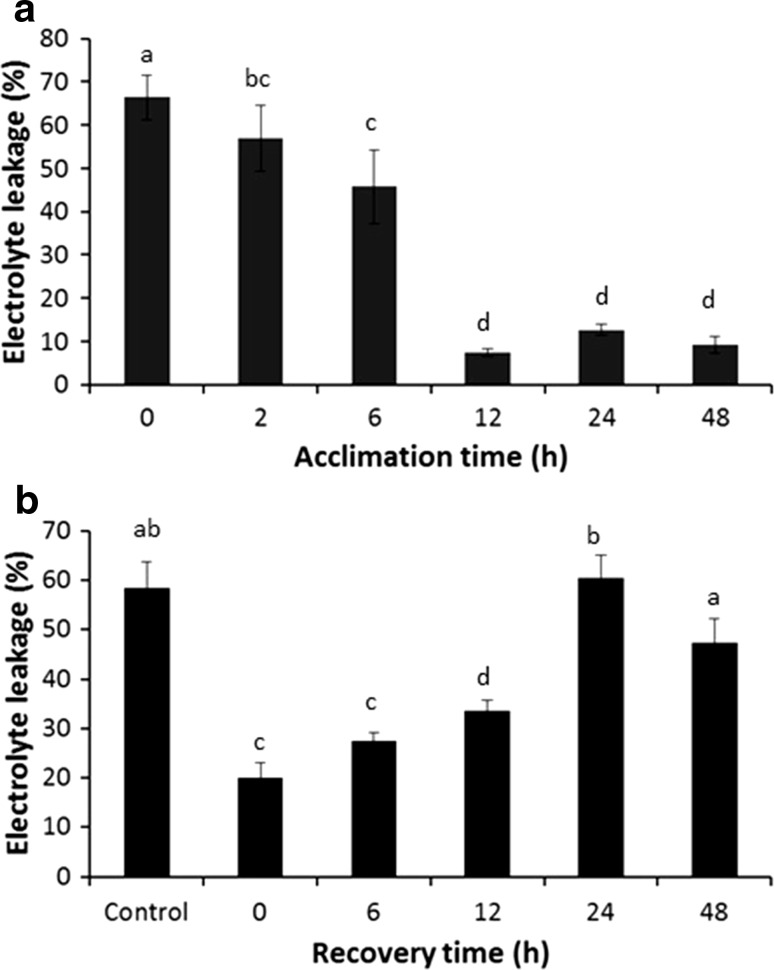
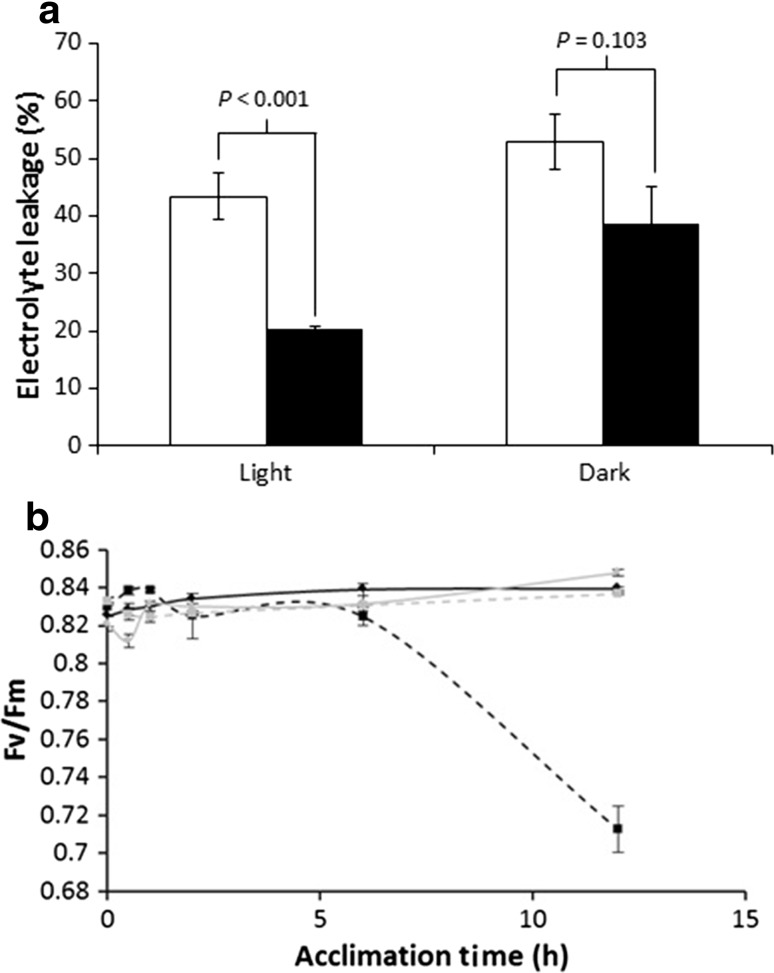
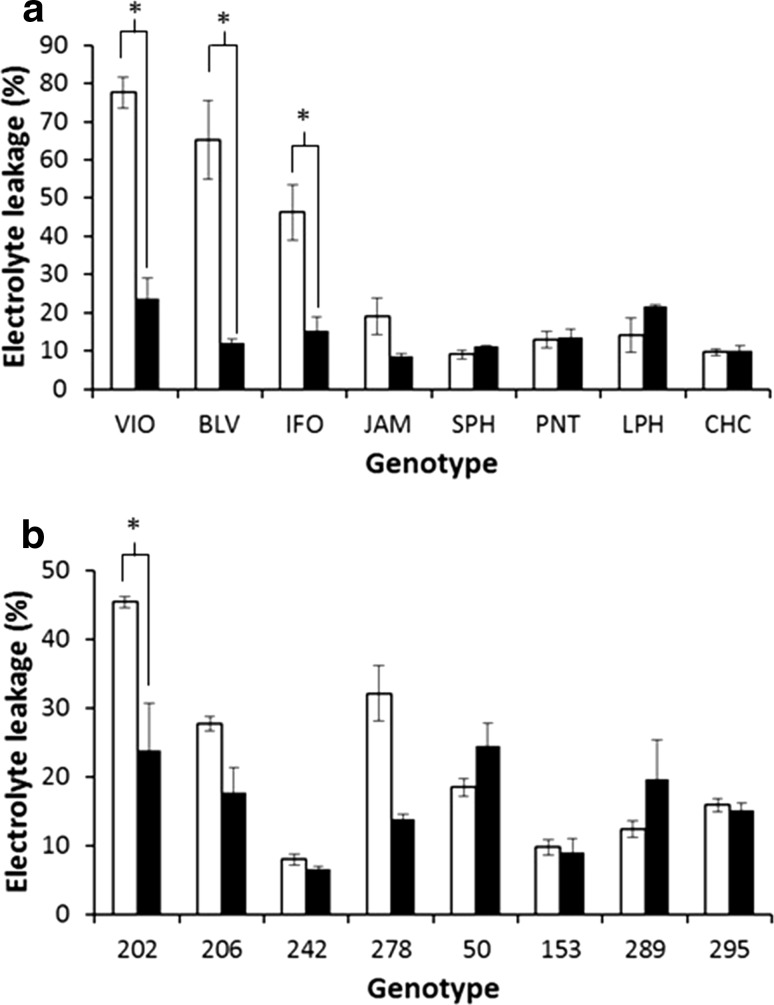
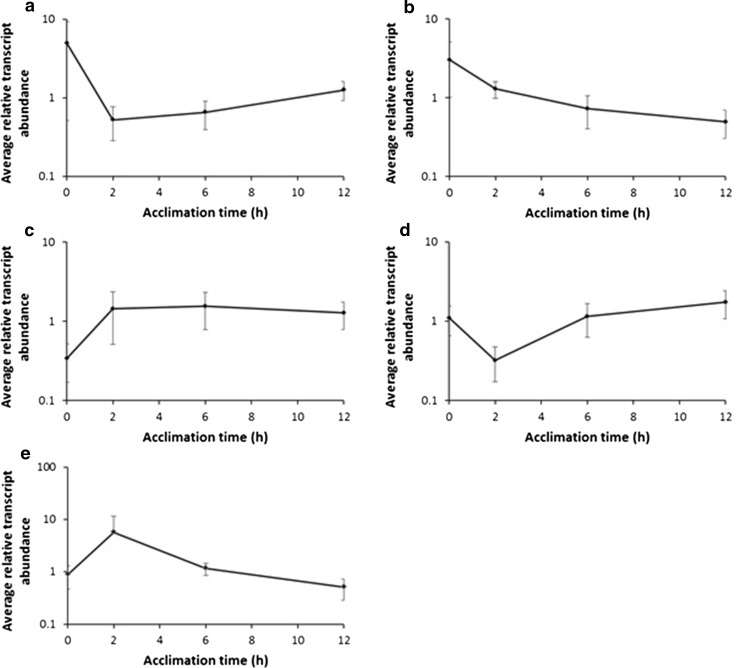
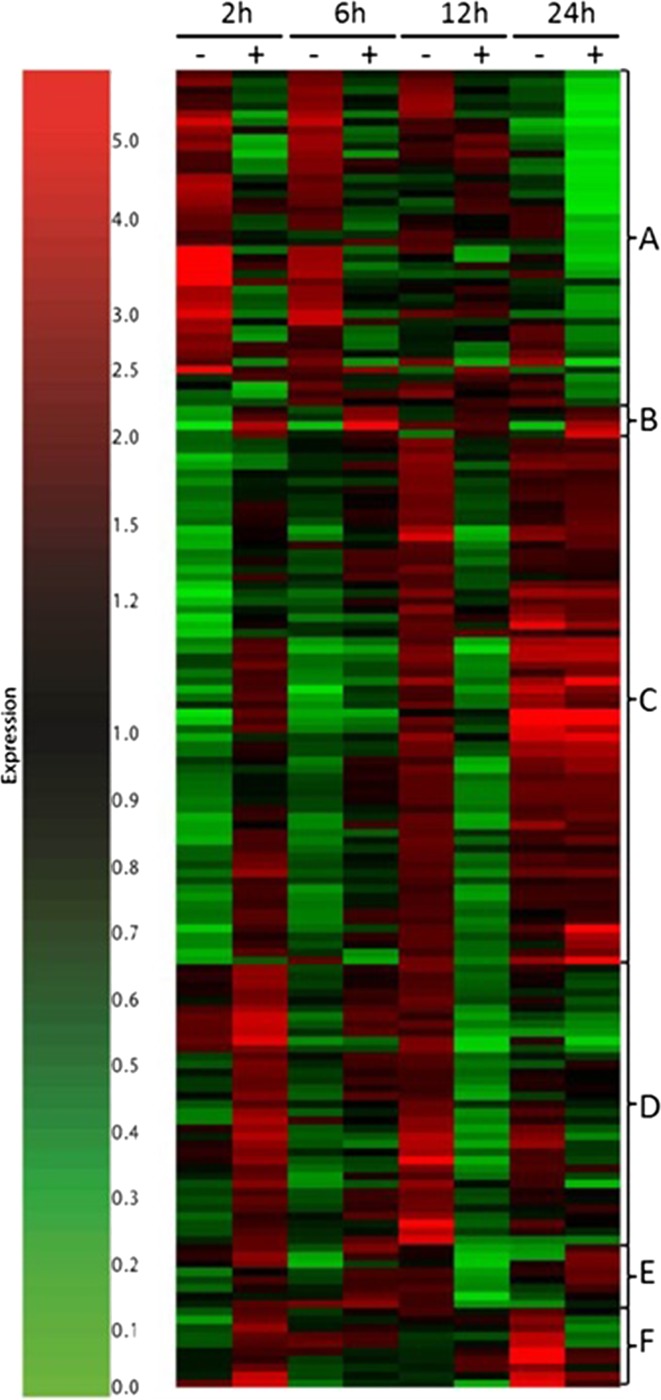
A powerful acquired thermotolerance response in potato was demonstrated and characterised in detail, showing the time course required for tolerance, the reversibility of the process and requirement for light. Potato is particularly vulnerable to increased temperature, considered to be the most important uncontrollable factor affecting growth and yield of this globally significant crop. Here, we describe an acquired thermotolerance response in potato, whereby treatment at a mildly elevated temperature primes the plant for more severe heat stress. We define the time course for acquiring thermotolerance and demonstrate that light is essential for the process. In all four commercial tetraploid cultivars that were tested, acquisition of thermotolerance by priming was required for tolerance at elevated temperature. Accessions from several wild-type species and diploid genotypes did not require priming for heat tolerance under the test conditions employed, suggesting that useful variation for this trait exists. Physiological, transcriptomic and metabolomic approaches were employed to elucidate potential mechanisms that underpin the acquisition of heat tolerance. This analysis indicated a role for cell wall modification, auxin and ethylene signalling, and chromatin remodelling in acclimatory priming resulting in reduced metabolic perturbation and delayed stress responses in acclimated plants following transfer to 40 °C.
马铃薯中存在一种强大的获得性耐热性反应,本研究对此进行了详细的证明和描述,展示了获得耐热性所需的时间过程、该过程的可逆性以及对光照的需求。马铃薯对温度升高特别敏感,被认为是影响这种全球重要作物生长和产量的最重要的不可控因素。在这里,我们描述了马铃薯中存在的一种获得性耐热性反应,即在温和的高温处理下,植物为更严重的热应激做好准备。我们定义了获得耐热性的时间过程,并证明了光照对于该过程至关重要。在所有经过测试的四个商业四倍体品种中,通过预培养获得耐热性是在高温下耐受的必要条件。在使用的测试条件下,来自几个野生型物种和二倍体基因型的品系不需要耐热性预培养,这表明该性状存在有用的变异。本研究采用了生理学、转录组学和代谢组学方法来阐明潜在的机制,这些机制是耐热性获得的基础。该分析表明,细胞壁修饰、生长素和乙烯信号转导以及染色质重塑在适应性预培养中发挥作用,导致在适应后的植物转移到 40°C 时,代谢紊乱减少,应激反应延迟。