Division of Internal Medicine, University Hospital Zurich, Ramistrasse 100, CH-8091, Zurich, Switzerland.
CSL Limited, Bio21 Institute, Parkville, Australia.
BMC Biotechnol. 2018 Mar 15;18(1):15. doi: 10.1186/s12896-018-0424-3.
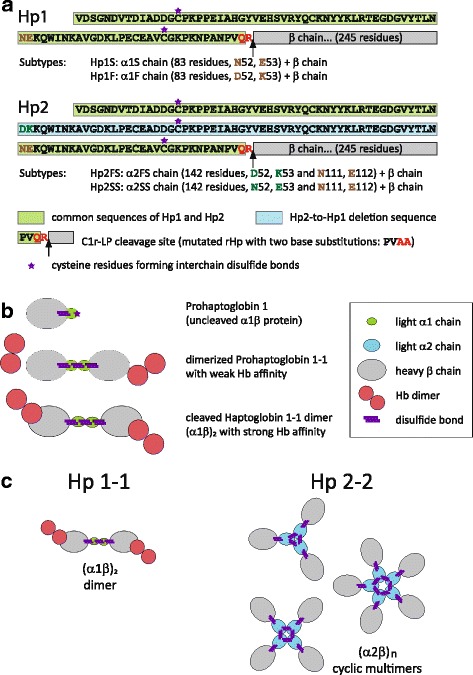
Preclinical studies have evaluated haptoglobin (Hp) polymers from pooled human plasma as a therapeutic protein to attenuate toxic effects of cell-free hemoglobin (Hb). Proof of concept studies have demonstrated efficacy of Hp in hemolysis associated with transfusion and sickle cell anemia. However, phenotype-specific Hp products might be desirable to exploit phenotype specific activities of Hp 1-1 versus Hp 2-2, offering opportunities for recombinant therapeutics. Prohaptoglobin (proHp) is the primary translation product of the Hp mRNA. ProHp is proteolytically cleaved by complement C1r subcomponent-like protein (C1r-LP) in the endoplasmic reticulum. Two main allelic Hp variants, HP1 and HP2 exist. The larger HP2 is considered to be the ancestor variant of all human Hp alleles and is characterized by an α2-chain, which contains an extra cysteine residue that pairs with additional α-chains generating multimers with molecular weights of 200-900 kDa. The two human HP1 alleles (HP1F and HP1S) differ by a two-amino-acid substitution polymorphism within the α-chain and are derived from HP2 by recurring exon deletions.
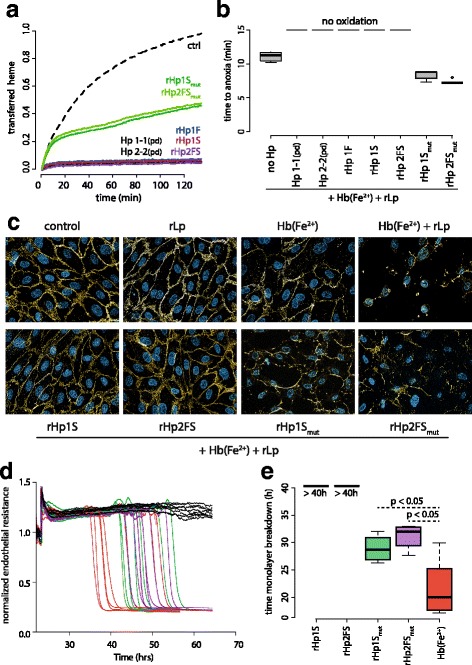
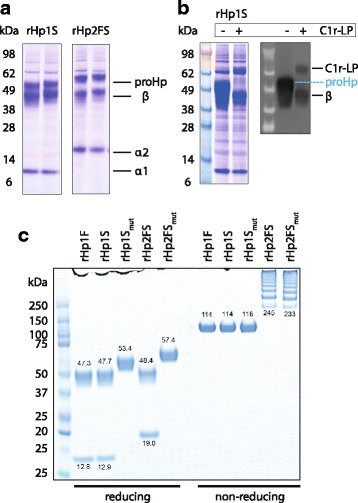
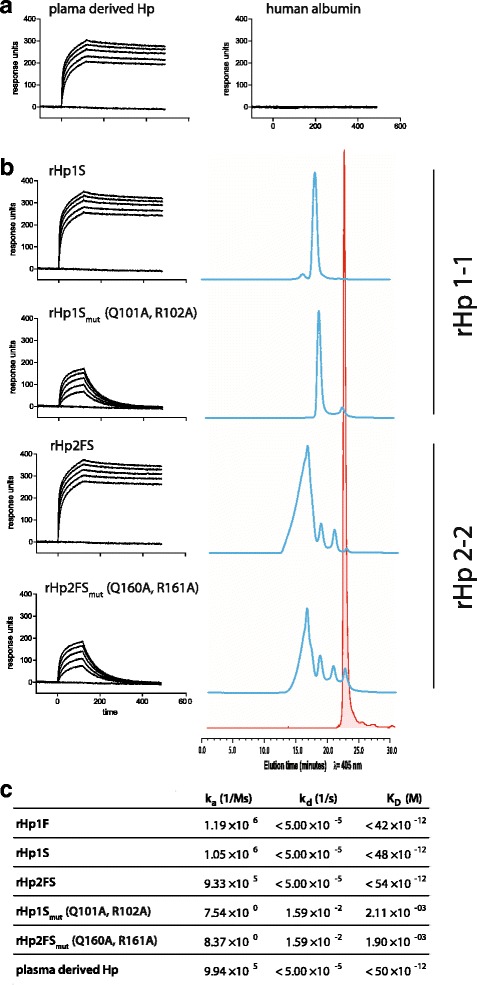
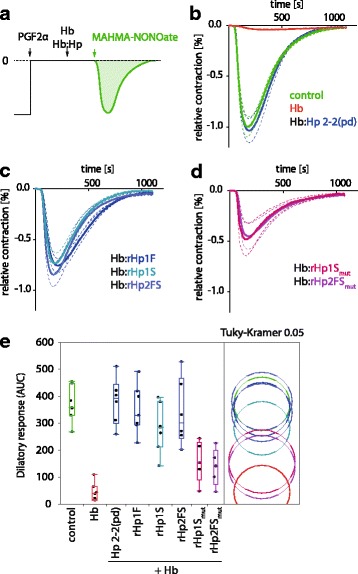
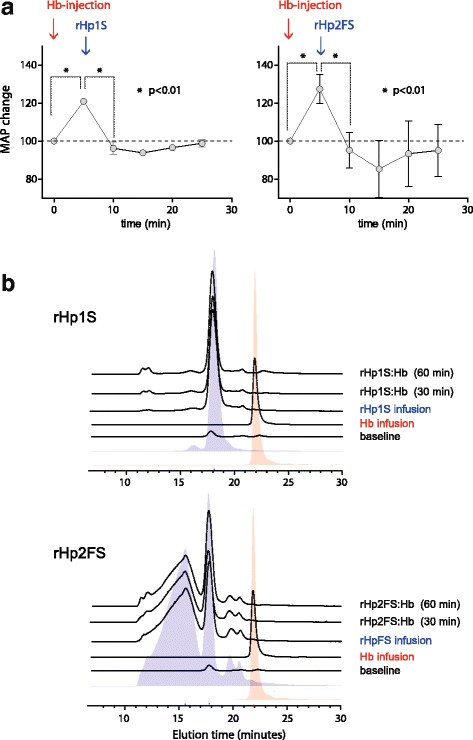
In the present study, we describe a process for the production of recombinant phenotype specific Hp polymers in mammalian FS293F cells. This approach demonstrates that efficient expression of mature and fully functional protein products requires co-expression of active C1r-LP. The functional characterization of our proteins, which included monomer/polymer distribution, binding affinities as well as NO-sparing and antioxidant functions, demonstrated that C1r-LP-processed recombinant Hp demonstrates equal protective functions as plasma derived Hp in vitro as well as in animal studies.
We present a recombinant production process for fully functional phenotype-specific Hp therapeutics. The proposed process could accelerate the development of Hb scavengers to treat patients with cell-free Hb associated disease states, such as sickle cell disease and other hemolytic conditions.
临床前研究已经评估了从人血浆中提取的结合珠蛋白(Hp)聚合物作为一种治疗蛋白,以减轻无细胞血红蛋白(Hb)的毒性作用。概念验证研究表明,Hp 在输血相关溶血和镰状细胞贫血中具有疗效。然而,可能需要具有表型特异性的 Hp 产品来利用 Hp 1-1 与 Hp 2-2 的表型特异性活性,为重组治疗提供机会。前结合珠蛋白(proHp)是 Hp mRNA 的主要翻译产物。ProHp 在 ER 中被补体 C1r 亚基样蛋白(C1r-LP)蛋白水解切割。存在两种主要的 Hp 等位基因变异体 HP1 和 HP2。较大的 HP2 被认为是所有人类 Hp 等位基因的祖先变异体,其特征在于α2-链,该链含有额外的半胱氨酸残基,与额外的α-链配对,生成分子量为 200-900 kDa 的多聚体。两种人类 HP1 等位基因(HP1F 和 HP1S)在α-链内的两个氨基酸取代多态性不同,并且由 HP2 通过重复外显子缺失衍生而来。
在本研究中,我们描述了在哺乳动物 FS293F 细胞中生产重组表型特异性 Hp 聚合物的过程。这种方法表明,成熟和完全功能的蛋白质产物的有效表达需要活性 C1r-LP 的共表达。我们的蛋白质的功能表征,包括单体/聚合物分布、结合亲和力以及 NO 保留和抗氧化功能,表明 C1r-LP 处理的重组 Hp 在体外以及动物研究中均表现出与血浆衍生的 Hp 相等的保护功能。
我们提出了一种用于生产完全功能表型特异性 Hp 治疗药物的重组生产工艺。该工艺可加速开发 Hb 清除剂以治疗与无细胞 Hb 相关的疾病状态的患者,例如镰状细胞病和其他溶血性疾病。