Department of Molecular and Clinical Pharmacology, Institute of Translational Medicine, The University of Liverpool, 70 Pembroke Place, Block H, First Floor, Liverpool, L69 3GF, UK.
European Nanomedicine Characterisation Laboratory, Department of Molecular and Clinical Pharmacology, Institute of Translational Medicine, The University of Liverpool, Liverpool, UK.
J Nanobiotechnology. 2018 Mar 15;16(1):22. doi: 10.1186/s12951-018-0349-y.
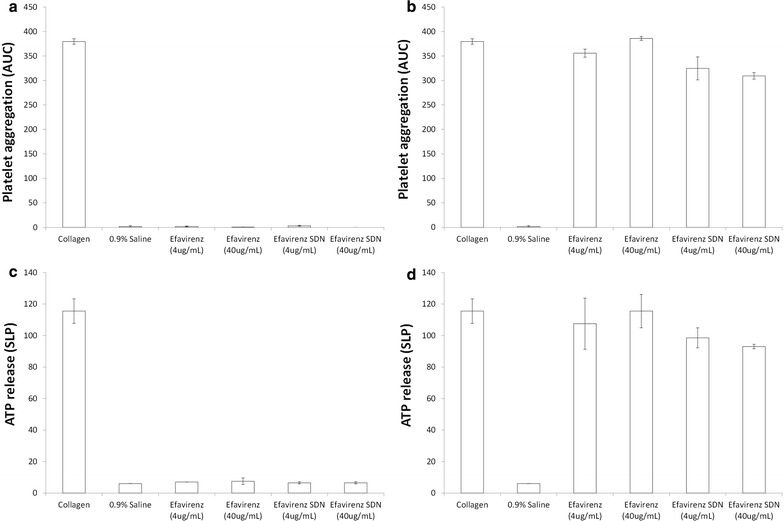
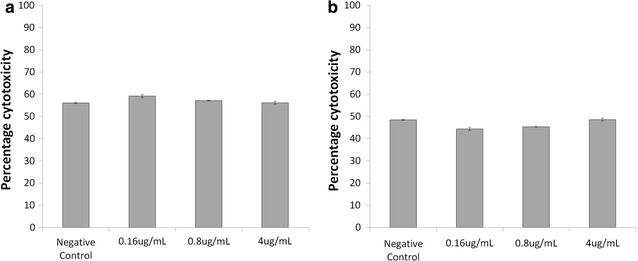
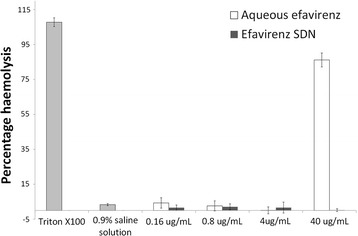
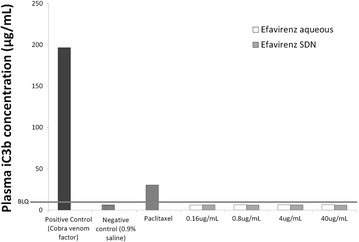
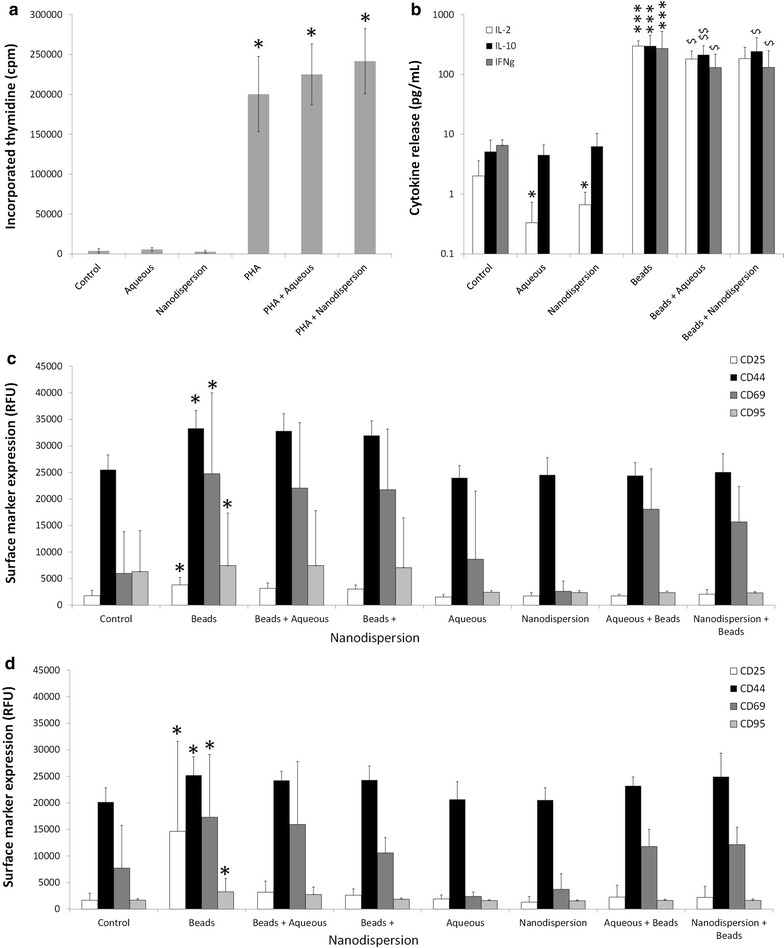
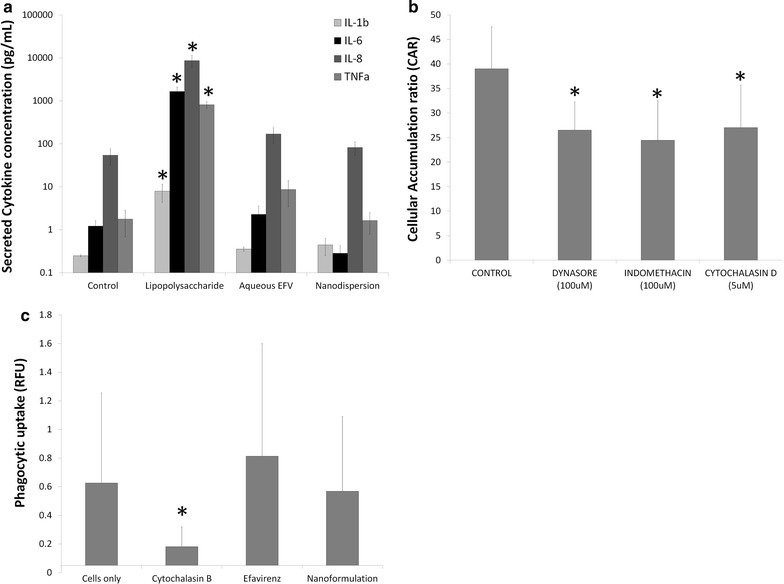
Recent work has developed solid drug nanoparticles (SDNs) of efavirenz that have been demonstrated, preclinically, improved oral bioavailability and the potential to enable up to a 50% dose reduction, and is currently being studied in a healthy volunteer clinical trial. Other SDN formulations are being studied for parenteral administration, either as intramuscular long-acting formulations, or for direct administration intravenously. The interaction of nanoparticles with the immunological and haematological systems can be a major barrier to successful translation but has been understudied for SDN formulations. Here we have conducted a preclinical evaluation of efavirenz SDN to assess their potential interaction with these systems. Platelet aggregation and activation, plasma coagulation, haemolysis, complement activation, T cell functionality and phenotype, monocyte derived macrophage functionality, and NK cell function were assessed in primary healthy volunteer samples treated with either aqueous efavirenz or efavirenz SDN.
Efavirenz SDNs were shown not to interfere with any of the systems studied in terms of immunostimulation nor immunosuppression. Although efavirenz aqueous solution was shown to cause significant haemolysis ex vivo, efavirenz SDNs did not. No other interaction with haematological systems was observed. Efavirenz SDNs have been demonstrated to be immunologically and haematologically inert in the utilised assays.
Taken collectively, along with the recent observation that lopinavir SDN formulations did not impact immunological responses, these data indicate that this type of nanoformulation does not elicit immunological consequences seen with other types of nanomaterial. The methodologies presented here provide a framework for pre-emptive preclinical characterisation of nanoparticle safety.
最近的研究开发了埃替拉韦的固体药物纳米颗粒(SDN),临床前研究表明,这种 SDN 提高了埃替拉韦的口服生物利用度,并有可能将剂量减少 50%,目前正在一项健康志愿者的临床试验中进行研究。其他 SDN 制剂也正在研究用于肠胃外给药,要么作为肌肉内长效制剂,要么直接静脉内给药。纳米颗粒与免疫和血液系统的相互作用可能是成功转化的主要障碍,但 SDN 制剂的这方面研究还很不足。在这里,我们对埃替拉韦 SDN 进行了临床前评估,以评估它们与这些系统相互作用的潜力。用埃替拉韦水溶液或埃替拉韦 SDN 处理原代健康志愿者样本,评估了血小板聚集和激活、血浆凝血、溶血、补体激活、T 细胞功能和表型、单核细胞衍生的巨噬细胞功能以及 NK 细胞功能。
埃替拉韦 SDN 在免疫刺激或免疫抑制方面均未显示出与研究的任何系统相互作用。尽管埃替拉韦水溶液在体外显示出显著的溶血作用,但埃替拉韦 SDN 没有。没有观察到与血液系统的其他相互作用。在所用的测定中,埃替拉韦 SDN 被证明在免疫学和血液学上是惰性的。
综合来看,最近的洛匹那韦 SDN 制剂不会影响免疫反应的观察结果表明,这种纳米制剂不会引起与其他类型纳米材料相同的免疫后果。这里提出的方法为纳米颗粒安全性的预先临床特征提供了一个框架。