Čtvrtlík Filip, Koranda Pavel, Schovánek Jan, Škarda Jozef, Hartmann Igor, Tüdös Zbyněk
Department of Radiology, University Hospital and Faculty of Medicine and Dentistry, Palacky University, 779 00 Olomouc, Czech Republic.
Department of Nuclear Medicine, University Hospital and Faculty of Medicine and Dentistry, Palacky University, 779 00 Olomouc, Czech Republic.
Exp Ther Med. 2018 Apr;15(4):3151-3160. doi: 10.3892/etm.2018.5871. Epub 2018 Feb 14.
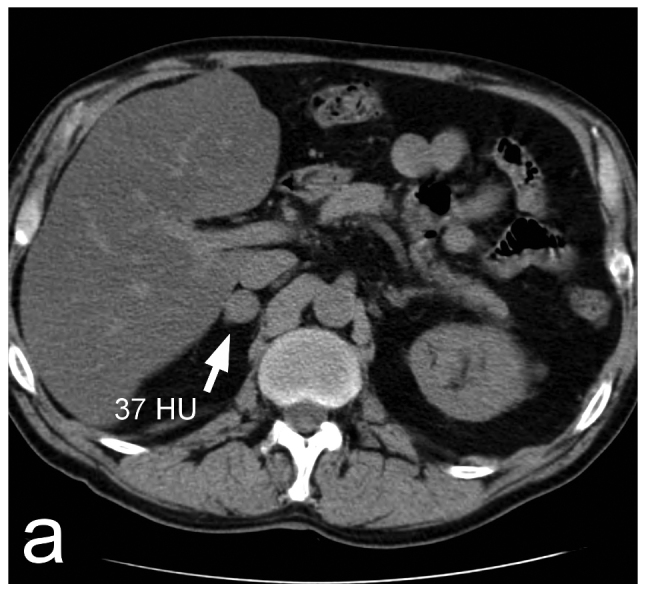
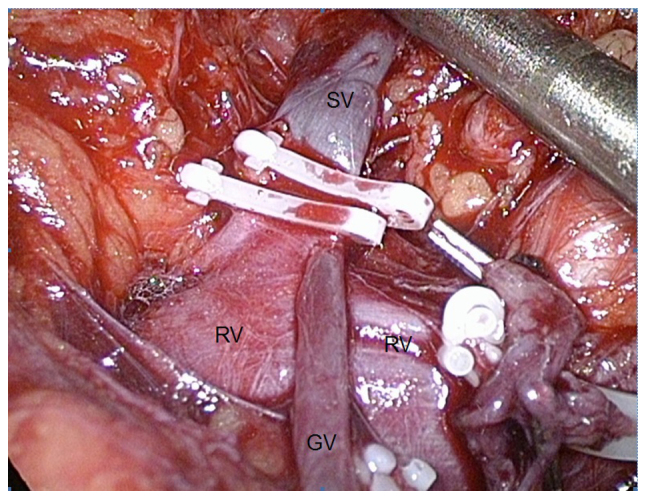
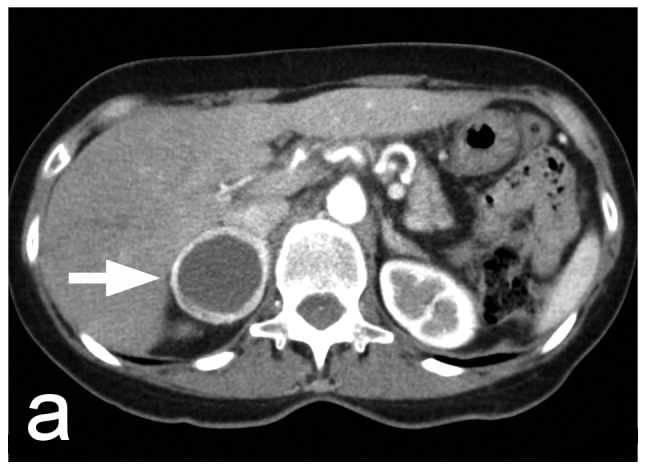
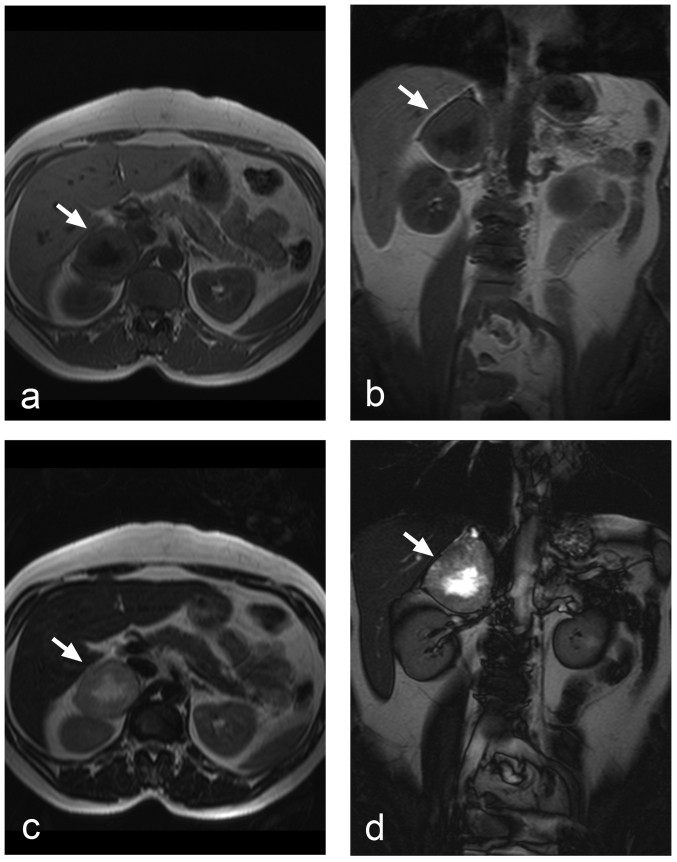
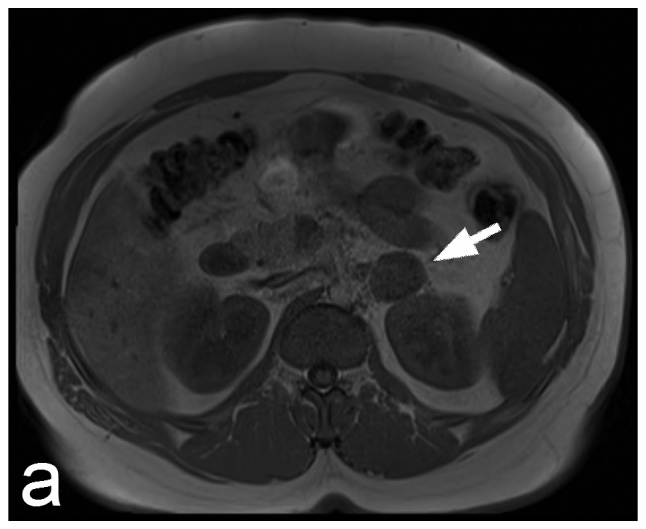
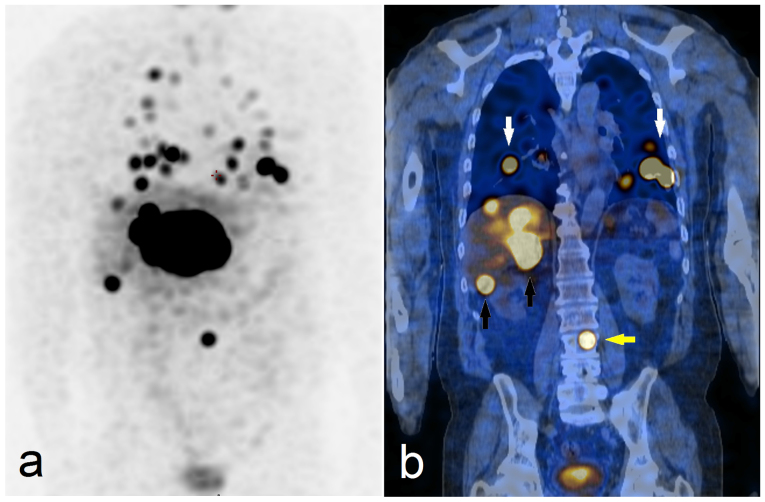
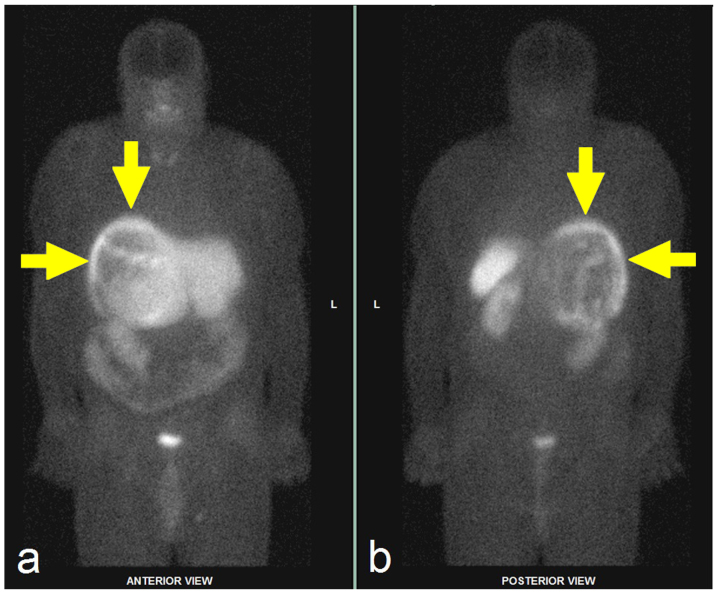
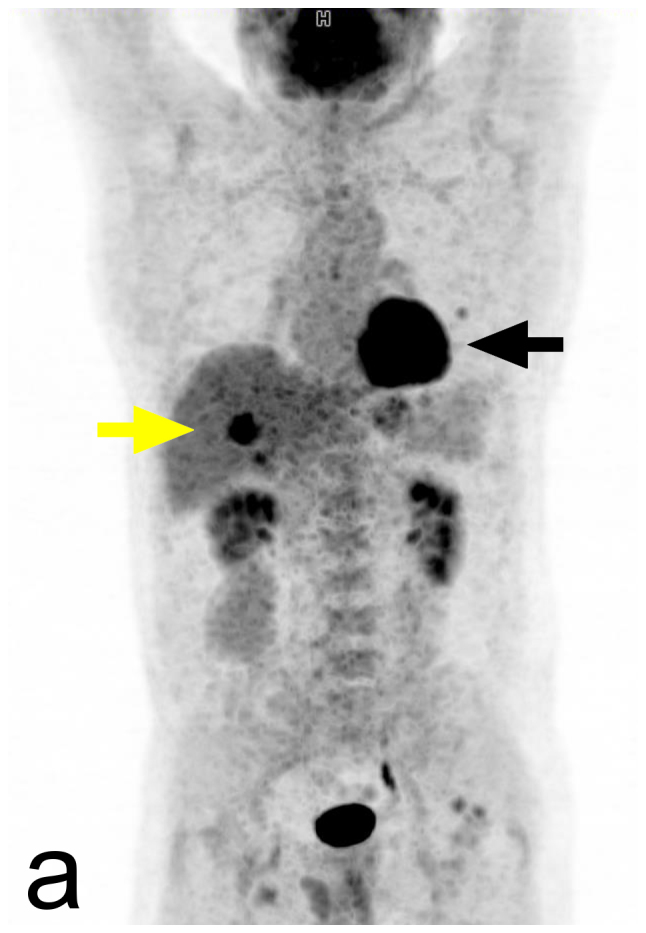
The topic of pheochromocytomas is becoming increasingly popular as a result of major advances in different medical fields, including laboratory diagnosis, genetics, therapy, and particularly in novel advances in imaging techniques. The present review article discusses current clinical, biochemical, genetic and histopathological aspects of the diagnosis of pheochromocytomas and planning of pre-surgical preparation and subsequent surgical treatment options. The main part of the paper is focused on the role of morphological imaging methods (primarily computed tomography and magnetic resonance imaging) and functional imaging (scintigraphy and positron emission tomography) in the diagnosis and staging of pheochromocytomas.
由于包括实验室诊断、遗传学、治疗,尤其是成像技术的新进展在内的不同医学领域取得了重大进展,嗜铬细胞瘤这一主题正变得越来越热门。本综述文章讨论了嗜铬细胞瘤诊断的当前临床、生化、遗传和组织病理学方面,以及术前准备和后续手术治疗方案的规划。本文的主要部分聚焦于形态学成像方法(主要是计算机断层扫描和磁共振成像)和功能成像(闪烁扫描和正电子发射断层扫描)在嗜铬细胞瘤诊断和分期中的作用。