Shalev Yarden, Soucy Shannon M, Papke R Thane, Gogarten J Peter, Eichler Jerry, Gophna Uri
School of Molecular and Cell Biology and Biotechnology, George S. Wise Faculty of Life Sciences, Tel Aviv University, Tel Aviv 69978, Israel.
Department of Molecular and Cell Biology, University of Connecticut, Storrs, CT 06269, USA.
Genes (Basel). 2018 Mar 20;9(3):172. doi: 10.3390/genes9030172.
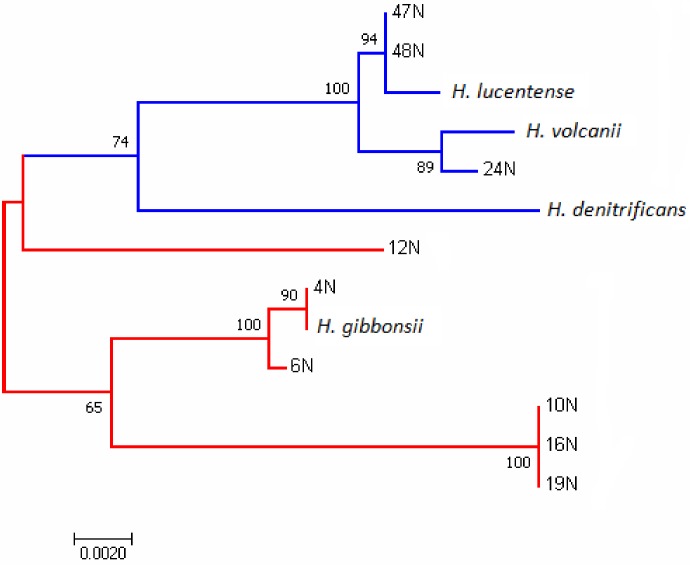
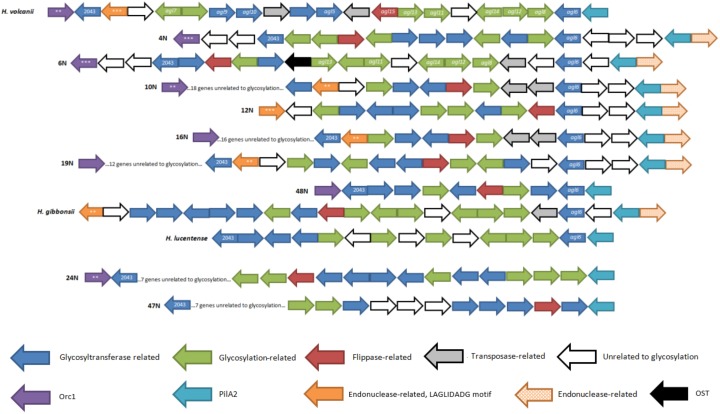
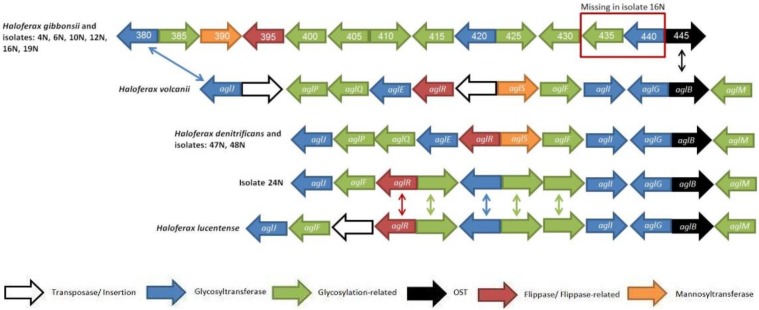
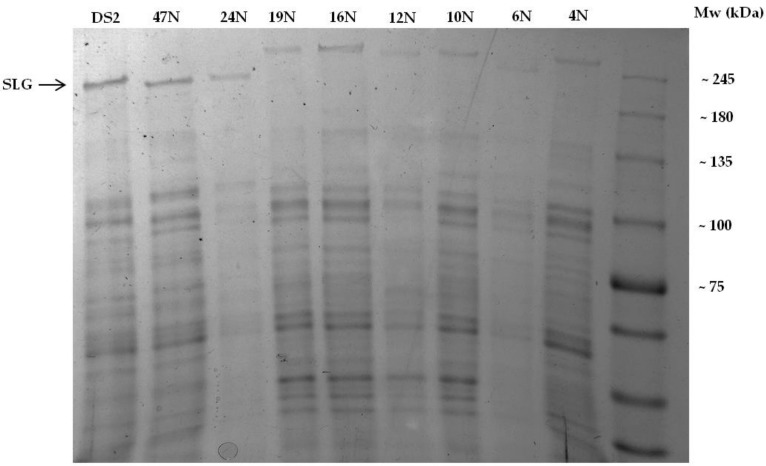
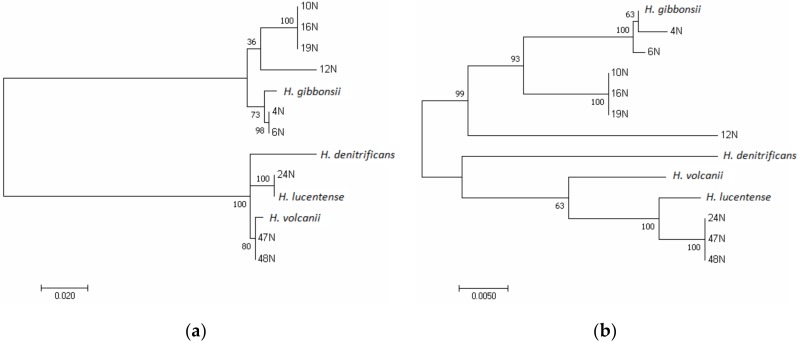
Within the genus, both the surface (S)-layer protein, and the glycans that can decorate it, vary between species, which can potentially result in many different surface types, analogous to bacterial serotypes. This variation may mediate phenotypes, such as sensitivity to different viruses and mating preferences. Here, we describe S-layer glycoproteins found in multiple strains and perform comparative genomics analyses of major and alternative glycosylation clusters of isolates from two coastal sites. We analyze the phylogeny of individual glycosylation genes and demonstrate that while the major glycosylation cluster tends to be conserved among closely related strains, the alternative cluster is highly variable. Thus, geographically- and genetically-related strains may exhibit diverse surface structures to such an extent that no two isolates present an identical surface profile.
在该属内,表面(S)层蛋白以及可修饰它的聚糖在不同物种间存在差异,这可能潜在地导致许多不同的表面类型,类似于细菌血清型。这种变异可能介导表型,如对不同病毒的敏感性和交配偏好。在此,我们描述了在多个菌株中发现的S层糖蛋白,并对来自两个沿海地点的分离株的主要和替代糖基化簇进行了比较基因组学分析。我们分析了各个糖基化基因的系统发育,并证明虽然主要糖基化簇在密切相关的菌株中倾向于保守,但替代簇高度可变。因此,地理和遗传相关的菌株可能表现出多样的表面结构,以至于没有两个分离株呈现相同的表面特征。