Department of Crop Sciences, University of Illinois, Urbana, Illinois, United States of America.
PLoS One. 2018 Mar 23;13(3):e0194596. doi: 10.1371/journal.pone.0194596. eCollection 2018.
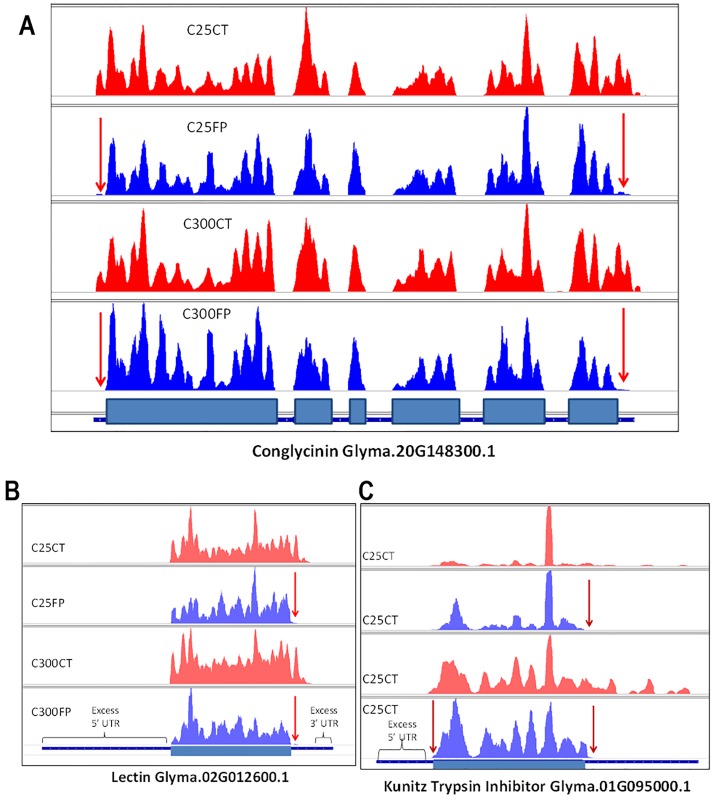
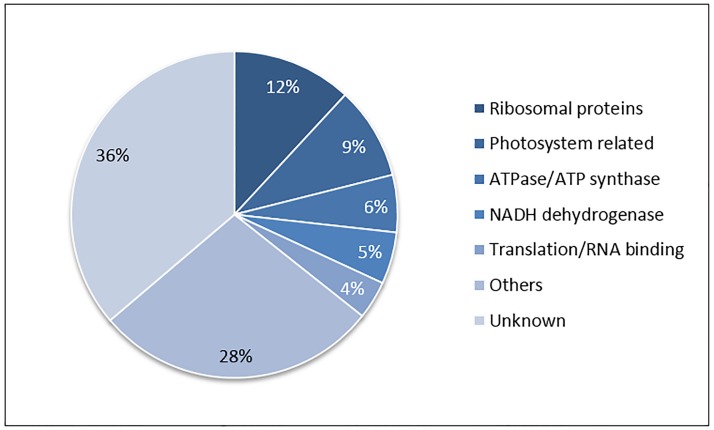
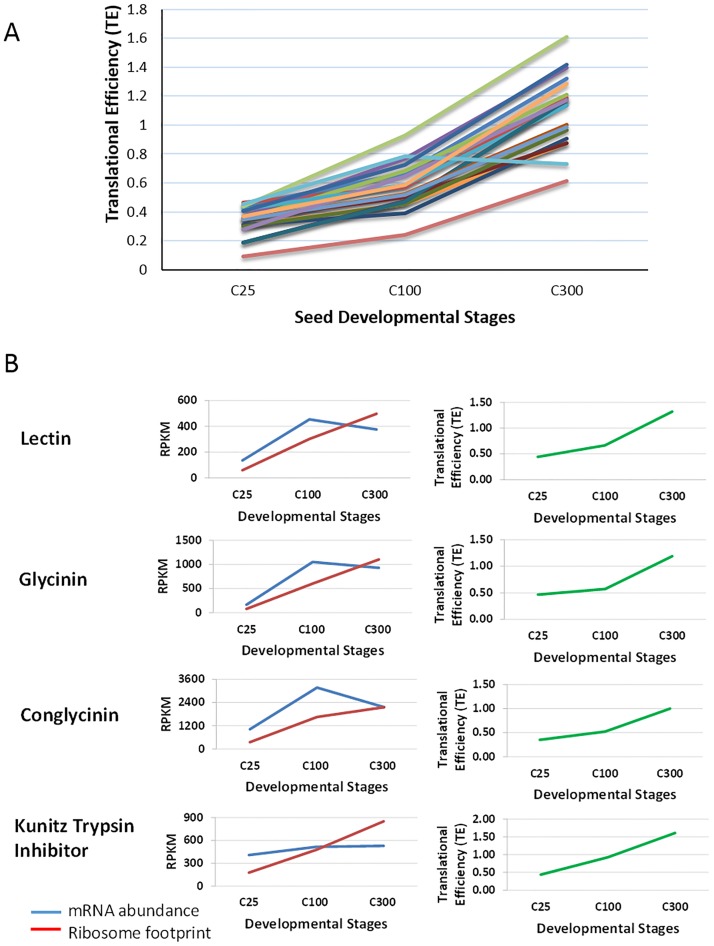
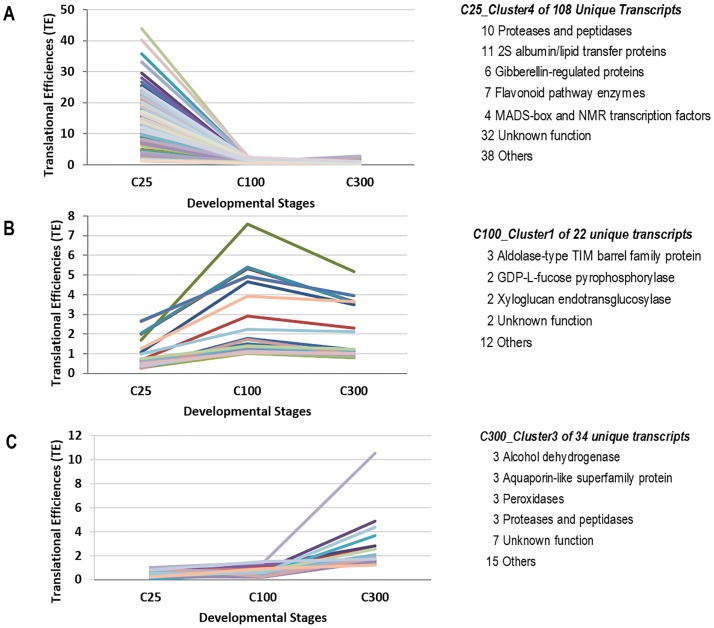
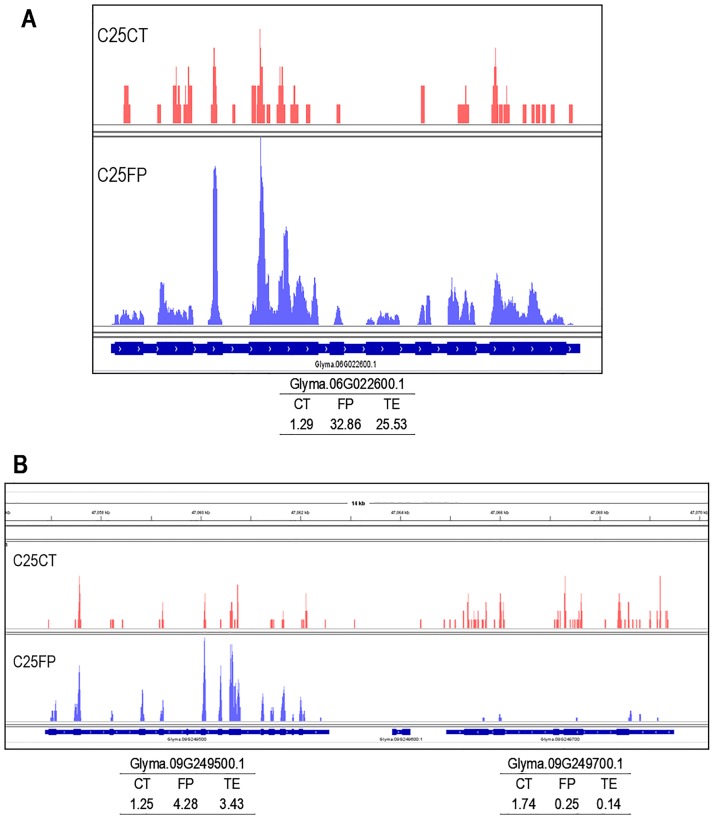
To understand translational capacity on a genome-wide scale across three developmental stages of immature soybean seed cotyledons, ribosome profiling was performed in combination with RNA sequencing and cluster analysis. Transcripts representing 216 unique genes demonstrated a higher level of translational activity in at least one stage by exhibiting higher translational efficiencies (TEs) in which there were relatively more ribosome footprint sequence reads mapping to the transcript than were present in the control total RNA sample. The majority of these transcripts were more translationally active at the early stage of seed development and included 12 unique serine or cysteine proteases and 16 2S albumin and low molecular weight cysteine-rich proteins that may serve as substrates for turnover and mobilization early in seed development. It would appear that the serine proteases and 2S albumins play a vital role in the early stages. In contrast, our investigation of profiles of 19 genes encoding high abundance seed storage proteins, such as glycinins, beta-conglycinins, lectin, and Kunitz trypsin inhibitors, showed that they all had similar patterns in which the TE values started at low levels and increased approximately 2 to 6-fold during development. The highest levels of these seed protein transcripts were found at the mid-developmental stage, whereas the highest ribosome footprint levels of only up to 1.6 TE were found at the late developmental stage. These experimental findings suggest that the major seed storage protein coding genes are primarily regulated at the transcriptional level during normal soybean cotyledon development. Finally, our analyses also identified a total of 370 unique gene models that showed very low TE values including over 48 genes encoding ribosomal family proteins and 95 gene models that are related to energy and photosynthetic functions, many of which have homology to the chloroplast genome. Additionally, we showed that genes of the chloroplast were relatively translationally inactive during seed development.
为了在三个发育阶段的未成熟大豆种子子叶中全面了解翻译能力,我们进行了核糖体分析,结合 RNA 测序和聚类分析。在至少一个阶段表现出更高翻译效率(TE)的 216 个独特基因的转录本,其转录本的核糖体足迹序列读取比对照总 RNA 样本中存在的更多,表明其具有更高的翻译活性。这些转录本中的大多数在种子发育的早期阶段翻译活性更高,包括 12 个独特的丝氨酸或半胱氨酸蛋白酶和 16 个 2S 白蛋白和低分子量富含半胱氨酸的蛋白质,它们可能作为种子发育早期周转和动员的底物。丝氨酸蛋白酶和 2S 白蛋白似乎在早期阶段发挥了至关重要的作用。相比之下,我们对编码大量种子贮藏蛋白的 19 个基因(如 Glycinin、β-Conglycinin、凝集素和 Kunitz 胰蛋白酶抑制剂)的图谱进行了研究,结果表明它们的 TE 值都以低水平开始,并在发育过程中增加了约 2 到 6 倍。这些种子蛋白转录本的最高水平出现在中期发育阶段,而晚期发育阶段仅发现高达 1.6 TE 的核糖体足迹水平最高。这些实验结果表明,在正常大豆子叶发育过程中,主要的种子贮藏蛋白编码基因主要在转录水平上受到调控。最后,我们的分析还总共鉴定了 370 个具有非常低 TE 值的独特基因模型,其中包括超过 48 个编码核糖体家族蛋白的基因和 95 个与能量和光合作用功能相关的基因模型,其中许多与叶绿体基因组具有同源性。此外,我们还表明,在种子发育过程中,叶绿体的基因相对翻译不活跃。