Venetian Institute of Molecular Medicine, Padua, Italy.
Department of Pharmaceutical and Pharmacological Sciences, University of Padua, Padua, Italy.
Mediators Inflamm. 2018 Feb 8;2018:2868702. doi: 10.1155/2018/2868702. eCollection 2018.
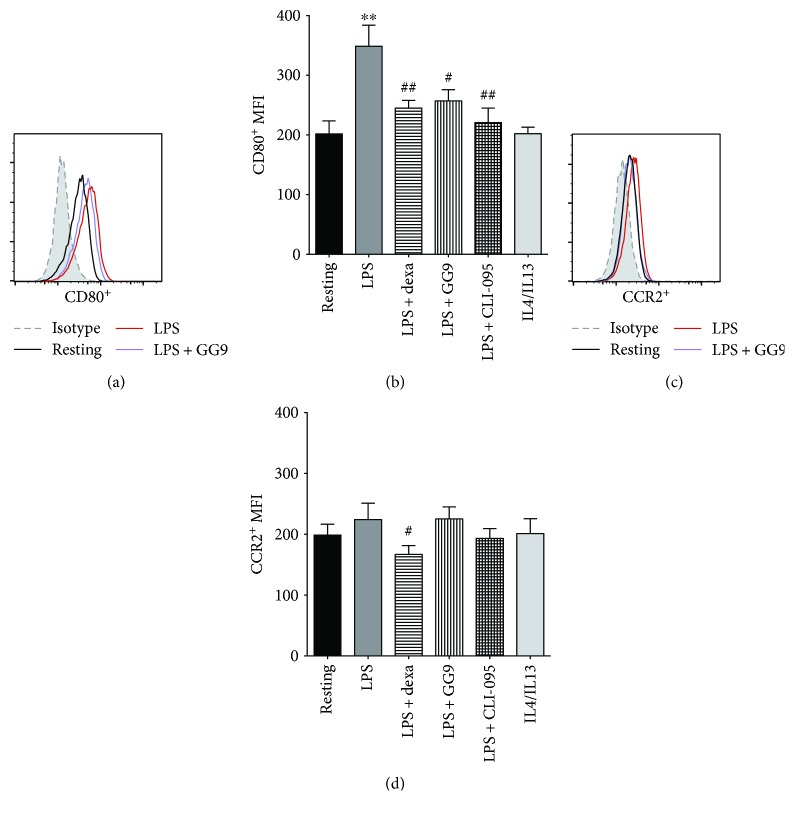
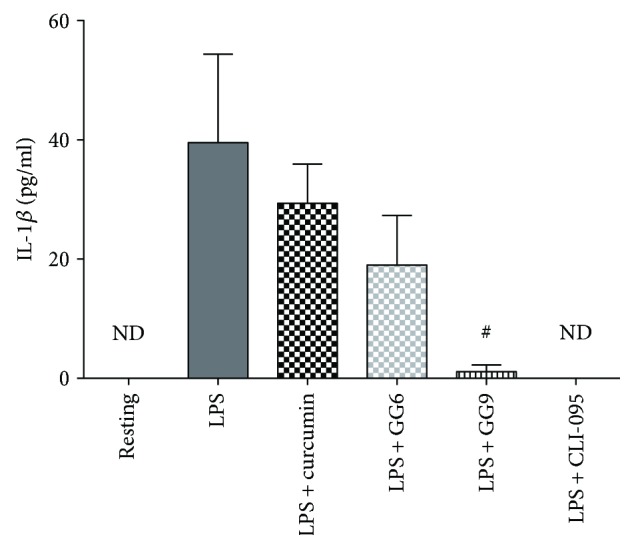
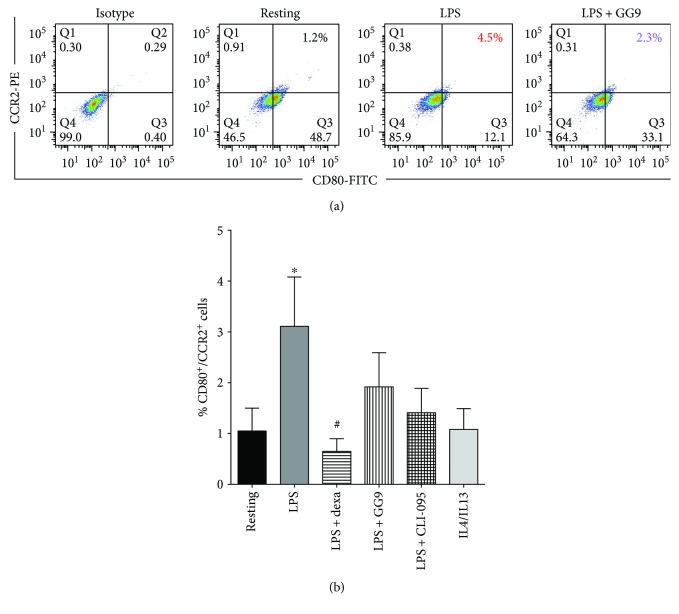
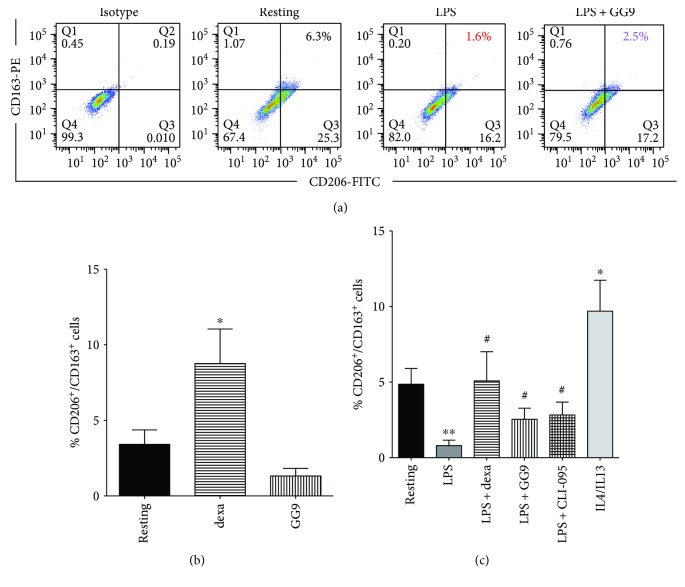
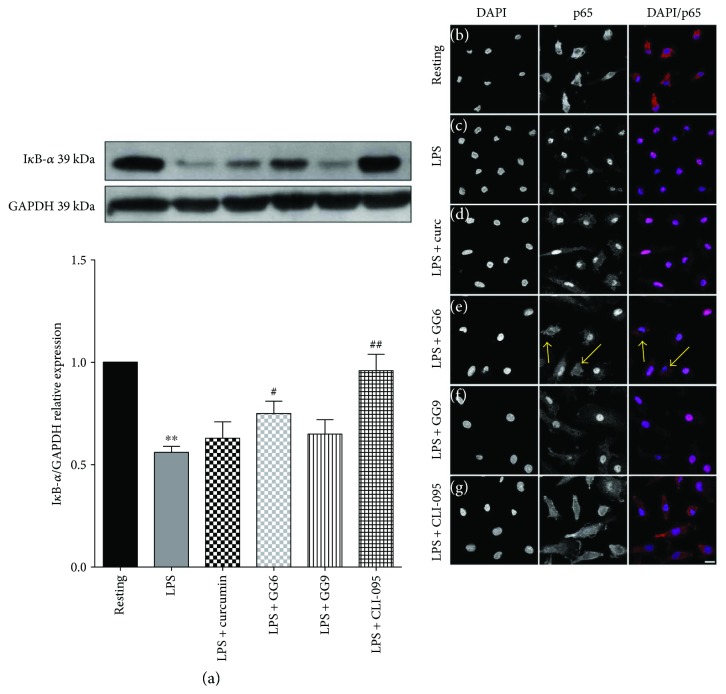
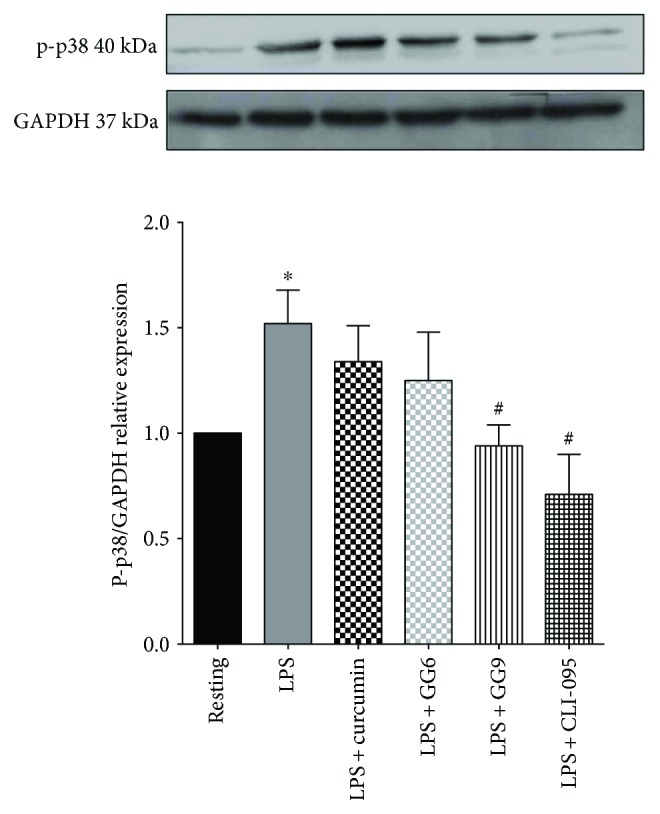
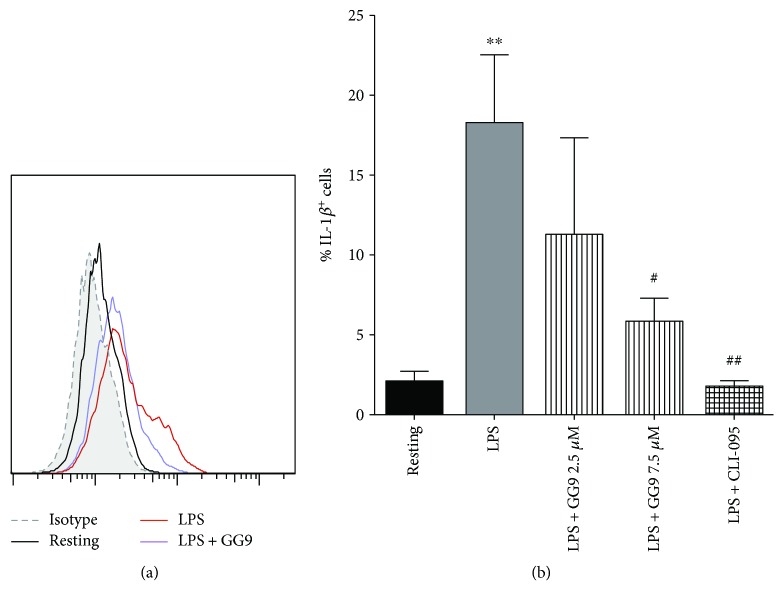
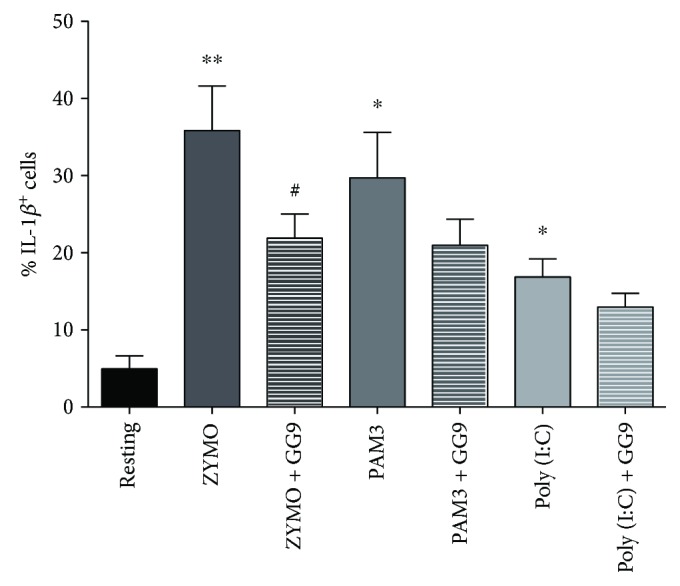
Several studies suggest that curcumin and related compounds possess antioxidant and anti-inflammatory properties including modulation of lipopolysaccharide- (LPS-) mediated signalling in macrophage cell models. We here investigated the effects of curcumin and the two structurally unrelated analogues GG6 and GG9 in primary human blood-derived macrophages as well as the signalling pathways involved. Macrophages differentiated from peripheral blood monocytes for 7 days were activated with LPS or selective Toll-like receptor agonists for 24 h. The effects of test compounds on cytokine production and immunophenotypes evaluated as CD80/CCR2 and CD206/CD163 subsets were examined by ELISA and flow cytometry. Signalling pathways were probed by Western blot. Curcumin (2.5-10 M) failed to suppress LPS-induced inflammatory responses. While GG6 reduced LPS-induced IB- degradation and showed a trend towards reduced interleukin-1 release, GG9 prevented the increase in proinflammatory CD80 macrophage subset, downregulation of the anti-inflammatory CD206/CD163 subset, increase in p38 phosphorylation, and increase in cell-bound and secreted interleukin-1 stimulated by LPS, at least in part through signalling pathways not involving Toll-like receptor 4 and nuclear factor-B. Thus, the curcumin analogue GG9 attenuated the LPS-induced inflammatory response in human blood-derived macrophages and may therefore represent an attractive chemical template for macrophage pharmacological targeting.
几项研究表明,姜黄素和相关化合物具有抗氧化和抗炎特性,包括调节巨噬细胞细胞模型中脂多糖(LPS)介导的信号转导。我们在这里研究了姜黄素和两种结构上不相关的类似物 GG6 和 GG9 在原代人血源性巨噬细胞中的作用以及涉及的信号通路。外周血单核细胞分化 7 天后的巨噬细胞用 LPS 或选择性 Toll 样受体激动剂激活 24 小时。通过 ELISA 和流式细胞术检测测试化合物对细胞因子产生和免疫表型(评估为 CD80/CCR2 和 CD206/CD163 亚群)的影响。通过 Western blot 探测信号通路。姜黄素(2.5-10μM)未能抑制 LPS 诱导的炎症反应。虽然 GG6 降低了 LPS 诱导的 IB 降解,并显示出降低白细胞介素 1 释放的趋势,但 GG9 阻止了 LPS 诱导的促炎 CD80 巨噬细胞亚群增加、抗炎 CD206/CD163 亚群下调、p38 磷酸化增加以及细胞结合和分泌的白细胞介素 1 增加,至少部分是通过不涉及 Toll 样受体 4 和核因子-B 的信号通路。因此,姜黄素类似物 GG9 减弱了人血源性巨噬细胞中 LPS 诱导的炎症反应,因此可能代表巨噬细胞药理靶向的有吸引力的化学模板。