Department of Social Sciences, The Education University of Hong Kong, Tai Po, New Territories, Hong Kong, China.
Department of Science and Environmental Studies, The Education University of Hong Kong, Tai Po, New Territories, Hong Kong, China.
Int J Environ Res Public Health. 2018 Mar 26;15(4):597. doi: 10.3390/ijerph15040597.
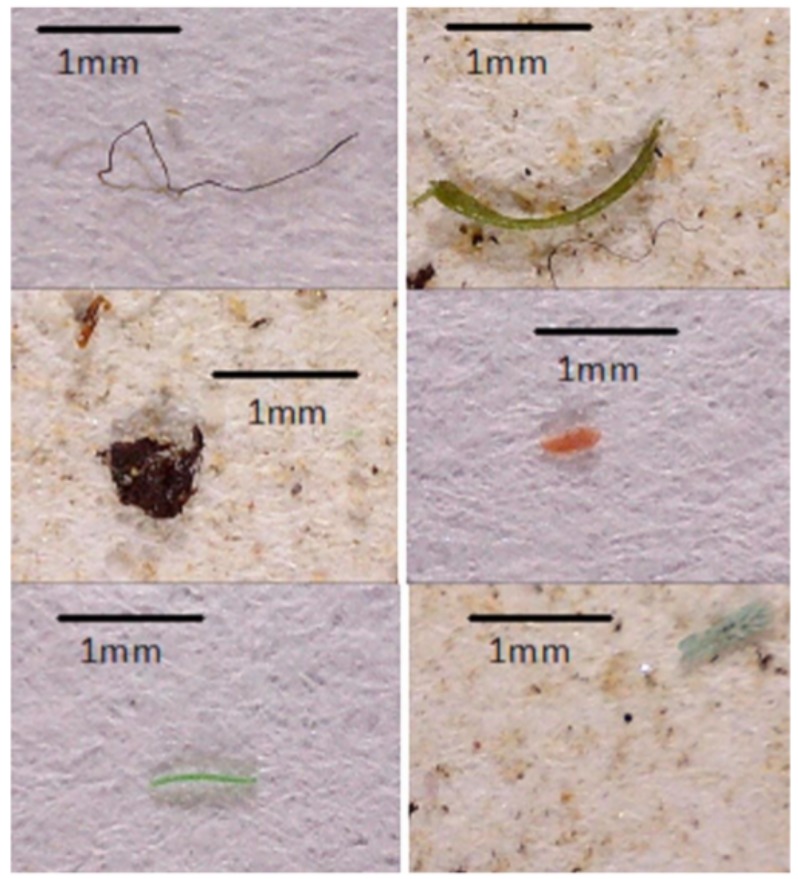
A total of 60 flathead grey mullets were examined for microplastic ingestion. Thirty wild mullets were captured from the eastern coast of Hong Kong and 30 captive mullets were obtained from fish farms. Microplastic ingestion was detected in 60% of the wild mullets, with an average of 4.3 plastic items per mullet, while only 16.7% of captive mullets were found to have ingested microplastics, with an average of 0.2 items per mullet. The results suggested that wild mullets have a higher risk of microplastic ingestion than their captive counterparts. The most common plastic items were fibres that were green in colour and small in size (<2 mm). Polypropylene was the most common polymer (42%), followed by polyethylene (25%). In addition, the abundance of microplastics was positively correlated with larger body size among the mullets.
总共检查了 60 条扁头灰鲻鱼是否摄入了微塑料。30 条野生鲻鱼从香港东部海岸捕获,30 条养殖鲻鱼从养殖场获得。60%的野生鲻鱼被发现摄入了微塑料,平均每条鲻鱼有 4.3 个塑料物品,而只有 16.7%的养殖鲻鱼被发现摄入了微塑料,平均每条鲻鱼有 0.2 个塑料物品。结果表明,野生鲻鱼摄入微塑料的风险比养殖鲻鱼高。最常见的塑料物品是绿色、小尺寸(<2 毫米)的纤维。最常见的聚合物是聚丙烯(42%),其次是聚乙烯(25%)。此外,微塑料的丰度与鲻鱼的体型大小呈正相关。