Department of Psychiatry, Washington University in St Louis, St. Louis, MO, 63130, USA.
Mayo Clinic, Department of Neurology, Rochester, Minnesota, United States.
Sci Rep. 2018 Mar 28;8(1):5302. doi: 10.1038/s41598-018-23560-7.
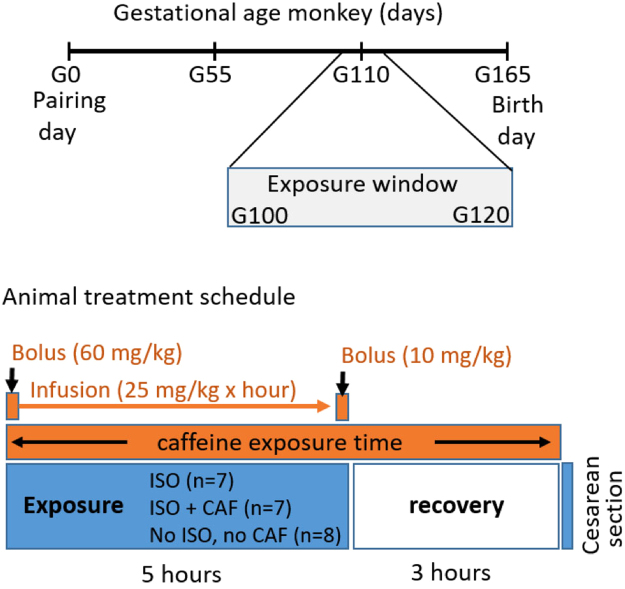
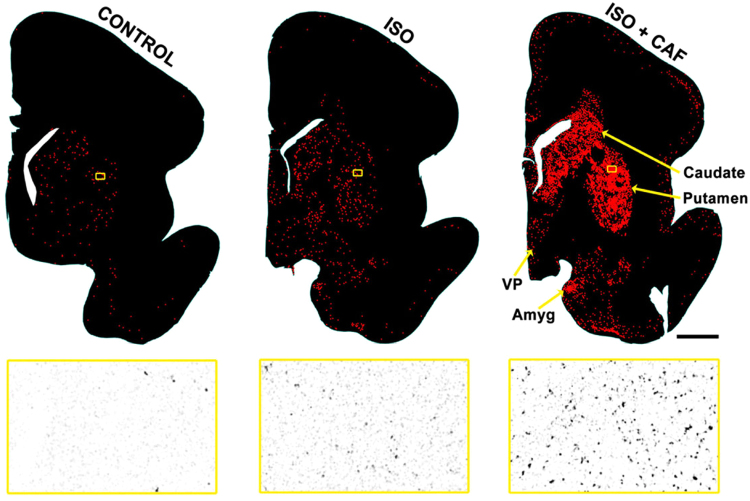
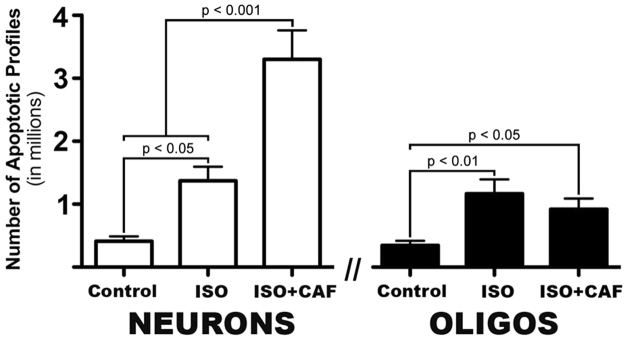
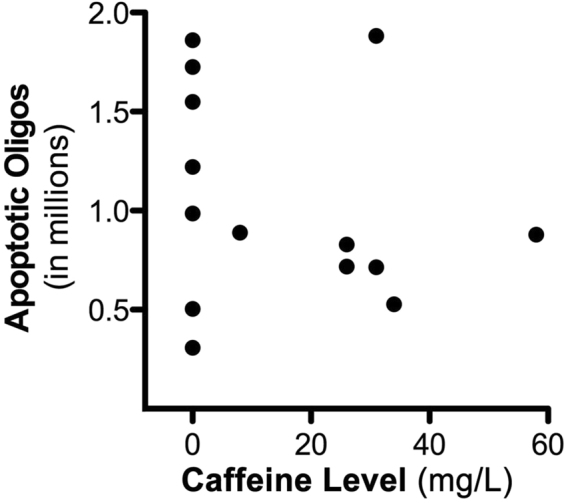
Caffeine is the most frequently used medication in premature infants. It is the respiratory stimulant of choice for apnea associated with prematurity and has been called the silver bullet in neonatology because of many proven benefits and few known risks. Research has revealed that sedative/anesthetic drugs trigger apoptotic death of neurons and oligodendrocytes in developing mammalian brains. Here we evaluated the influence of caffeine on the neurotoxicity of anesthesia in developing nonhuman primate brains. Fetal macaques (n = 7-8/group), at a neurodevelopmental age comparable to premature human infants, were exposed in utero for 5 hours to no drug (control), isoflurane, or isoflurane + caffeine and examined for evidence of apoptosis. Isoflurane exposure increased apoptosis 3.3 fold for neurons and 3.4 fold for oligodendrocytes compared to control brains. Isoflurane + caffeine caused neuronal apoptosis to increase 8.0 fold compared to control levels but did not augment oligoapoptosis. Neuronal death was particularly pronounced in the basal ganglia and cerebellum. Higher blood levels of caffeine within the range considered therapeutic and safe for human infants correlated with increased neuroapoptosis. Caffeine markedly augments neurotoxicity of isoflurane in the fetal macaque brain and challenges the assumption that caffeine is safe for premature infants.
咖啡因是早产儿最常使用的药物。它是治疗早产儿呼吸暂停的首选呼吸兴奋剂,因其有许多已证实的益处和很少已知的风险,被称为新生儿学中的“银弹”。研究表明,镇静/麻醉药物会引发发育中哺乳动物大脑神经元和少突胶质细胞的凋亡性死亡。在这里,我们评估了咖啡因对发育中灵长类动物大脑麻醉神经毒性的影响。胎儿猕猴(每组 7-8 只),处于类似于早产人类婴儿的神经发育年龄,在子宫内接受 5 小时的药物(对照)、异氟烷或异氟烷+咖啡因暴露,并检查凋亡的证据。与对照脑相比,异氟烷暴露使神经元凋亡增加了 3.3 倍,使少突胶质细胞凋亡增加了 3.4 倍。与对照水平相比,异氟烷+咖啡因导致神经元凋亡增加了 8.0 倍,但并未增加少突胶质细胞凋亡。神经元死亡在基底神经节和小脑特别明显。在考虑对人类婴儿治疗和安全的范围内,血液中咖啡因水平升高与神经凋亡增加相关。咖啡因显著增强了胎猴大脑中异氟烷的神经毒性,这对咖啡因对早产儿安全的假设提出了挑战。