Swiss Institute of Cancer Research, School of Life Sciences, Swiss Federal Institute of Technology Lausanne (EPFL), 1015 Lausanne, Switzerland.
David H. Koch Institute for Integrative Cancer Research, Massachusetts Institute of Technology, Cambridge, MA 02139, USA.
Cancer Cell. 2018 Apr 9;33(4):736-751.e5. doi: 10.1016/j.ccell.2018.02.011. Epub 2018 Mar 29.
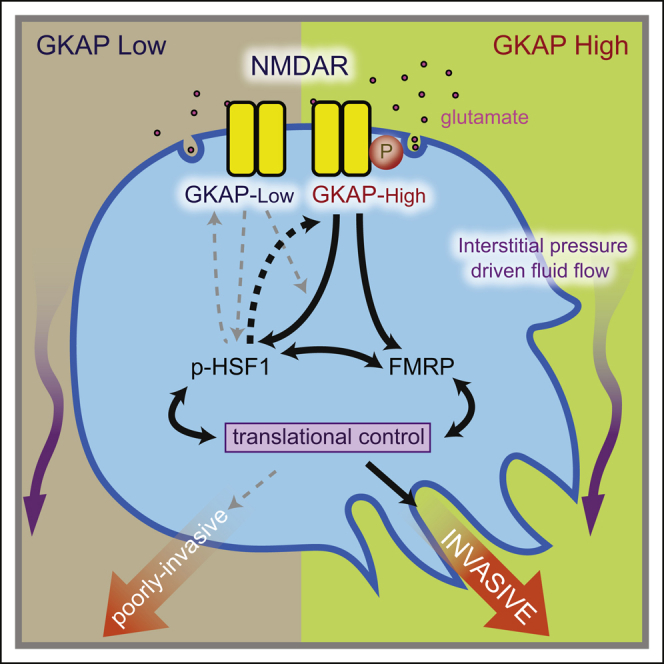
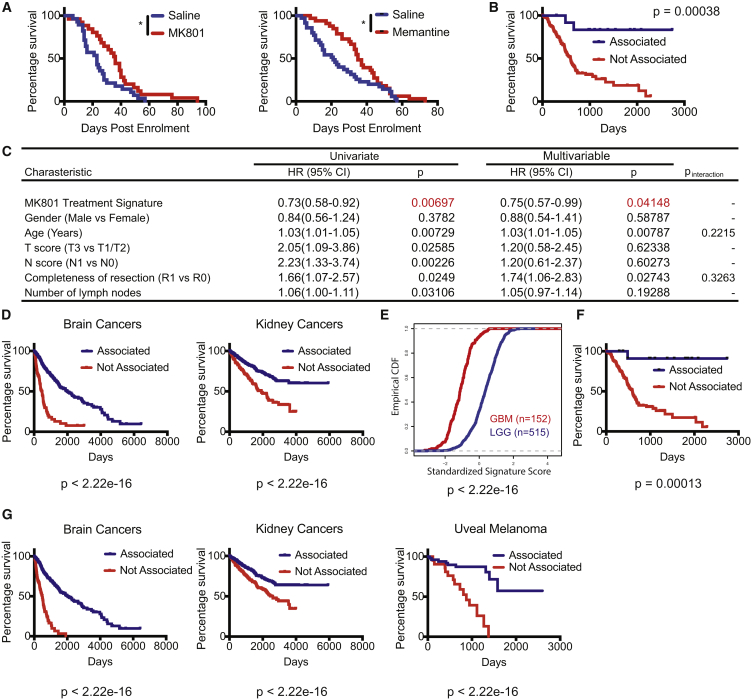
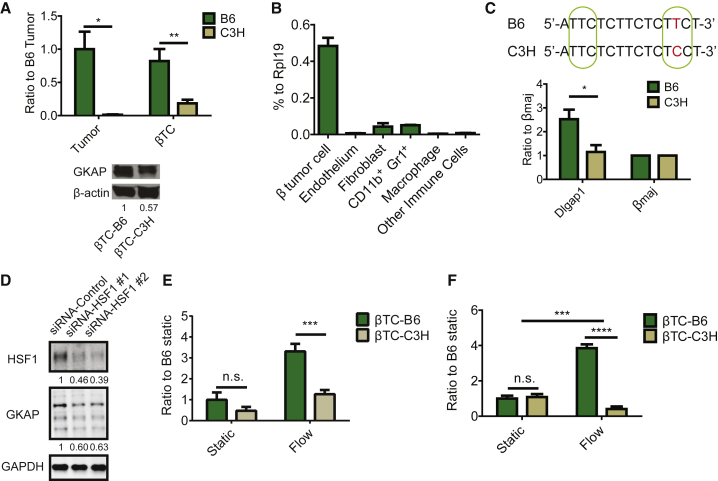
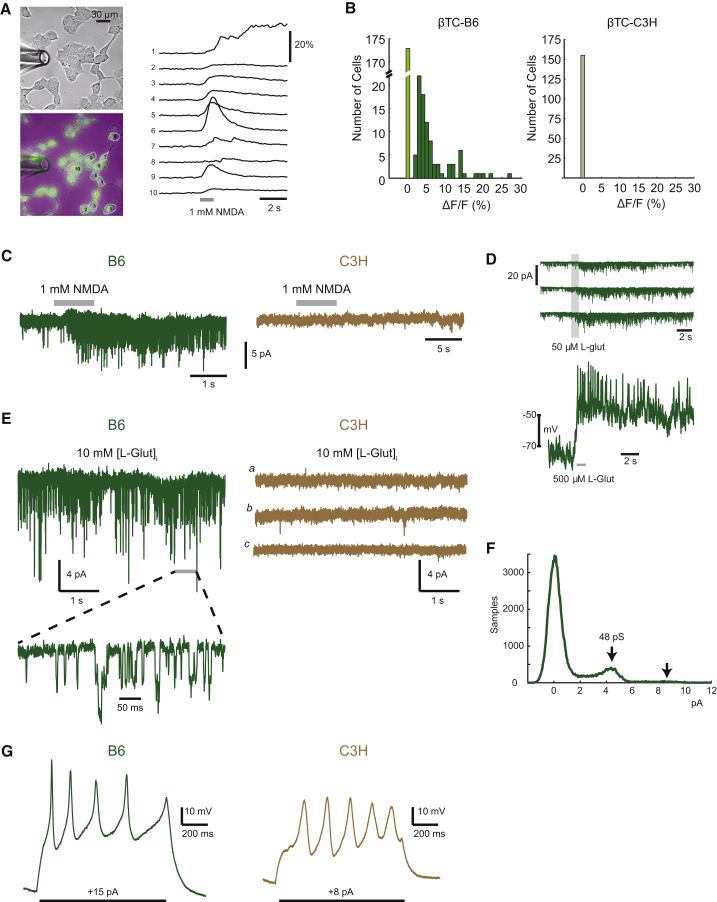
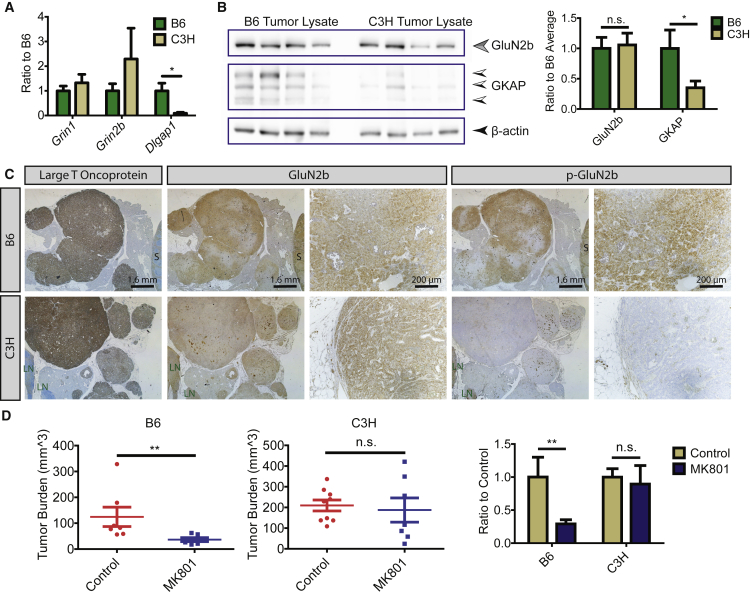
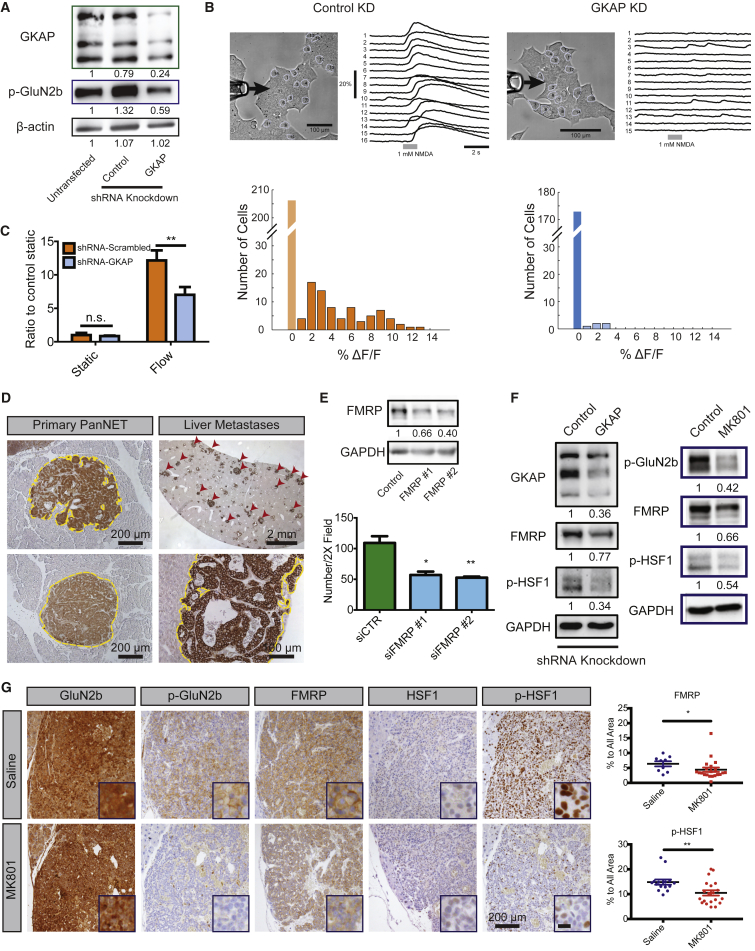
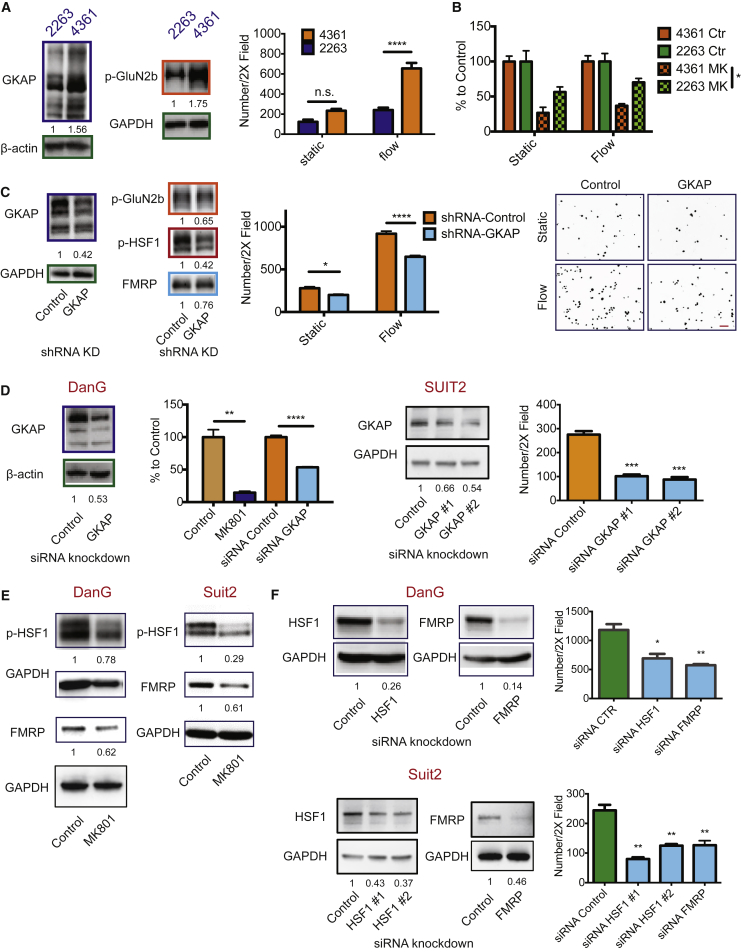
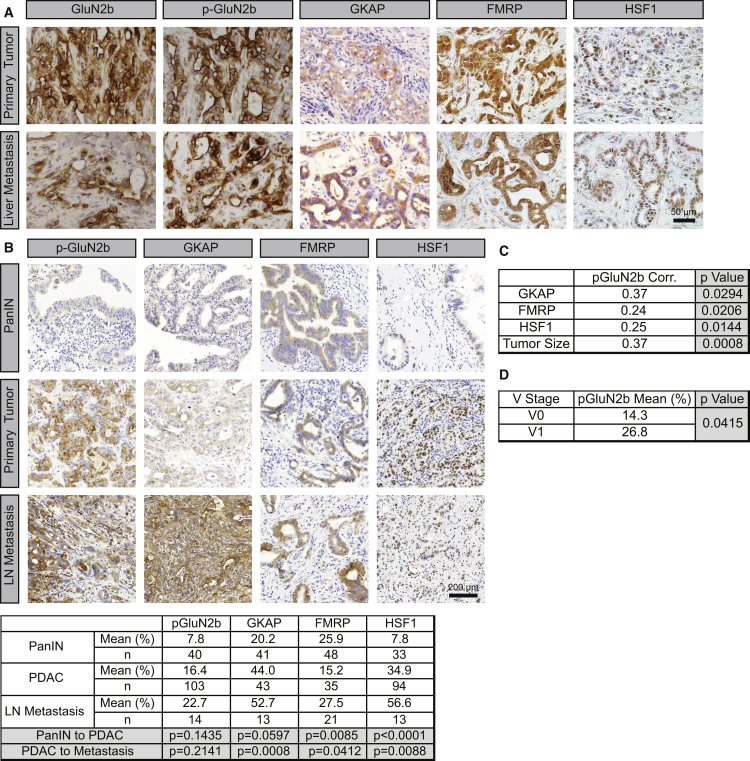
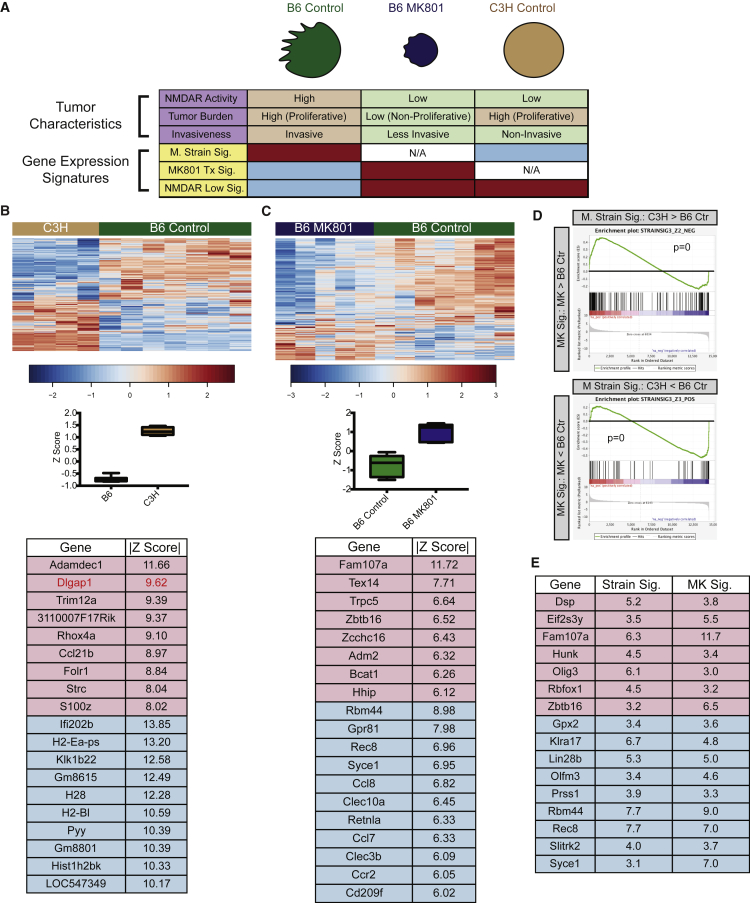
Genetic linkage analysis previously suggested that GKAP, a scaffold protein of the N-methyl-D-aspartate receptor (NMDAR), was a potential modifier of invasion in a mouse model of pancreatic neuroendocrine tumor (PanNET). Here, we establish that GKAP governs invasive growth and treatment response to NMDAR inhibitors of PanNET via its pivotal role in regulating NMDAR pathway activity. Combining genetic knockdown of GKAP and pharmacological inhibition of NMDAR, we implicate as downstream effectors FMRP and HSF1, which along with GKAP demonstrably support invasiveness of PanNET and pancreatic ductal adenocarcinoma cancer cells. Furthermore, we distilled genome-wide expression profiles orchestrated by the NMDAR-GKAP signaling axis, identifying transcriptome signatures in tumors with low/inhibited NMDAR activity that significantly associate with favorable patient prognosis in several cancer types.
先前的遗传连锁分析表明,作为 N-甲基-D-天冬氨酸受体(NMDAR)支架蛋白的 GKAP 是胰腺神经内分泌肿瘤(PanNET)小鼠模型中侵袭的潜在修饰因子。在这里,我们通过其在调节 NMDAR 通路活性中的关键作用,证实 GKAP 通过调控 NMDAR 抑制剂来控制 PanNET 的浸润性生长和治疗反应。通过 GKAP 的基因敲低和 NMDAR 的药理学抑制相结合,我们推测下游效应物为 FMRP 和 HSF1,它们与 GKAP 一起明显支持 PanNET 和胰腺导管腺癌癌细胞的侵袭性。此外,我们还对由 NMDAR-GKAP 信号轴协调的全基因组表达谱进行了剖析,确定了 NMDAR 活性低/受抑制的肿瘤中的转录组特征,这些特征与多种癌症类型中患者预后良好显著相关。