Speer Kathryn, Upton Dominic, Semple Stuart, McKune Andrew
Discipline of Sport and Exercise Science, Faculty of Health, University of Canberra, Canberra, ACT, Australia.
Faculty of Health, University of Canberra, Canberra, ACT, Australia.
J Inflamm Res. 2018 Mar 22;11:111-121. doi: 10.2147/JIR.S155903. eCollection 2018.
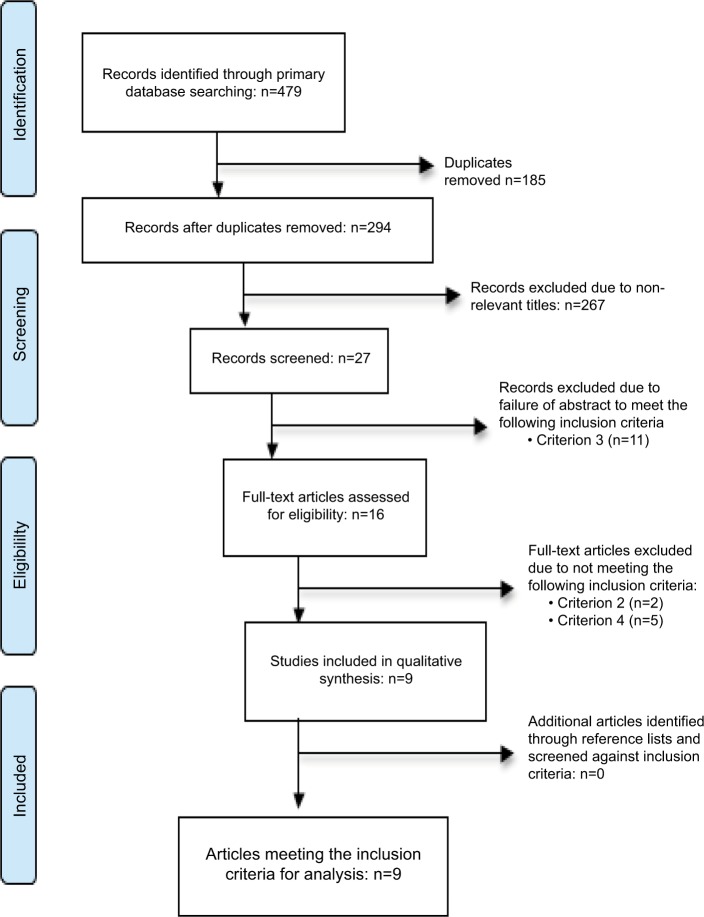
Studies examining post-traumatic stress disorder (PTSD) have either emphasized a relationship between PTSD and a systemically pro-inflammatory state or identified a link between PTSD and chronic disease. The aim of this study was to evaluate the evidence for a relationship between individuals with PTSD and systemic low-grade inflammation that has been proposed to underlie chronic disease development in this population. The authors conducted a systematic review of the literature (January 2006 to April 2017) in accordance with the PRISMA statement in the following four databases: PubMed, MEDLINE, PsycINFO, and SPORTDiscus with Full Text. The search strategy was limited to articles published in peer-reviewed journals and to human studies. Nine studies measuring systemic inflammation and discussing its role in chronic disease development were selected for inclusion in this review. The association between markers of systemic inflammation and PTSD was evaluated by the measurement of a variety of systemic inflammatory markers including acute-phase proteins, complement proteins, pro- and anti-inflammatory cytokines, natural killer cells, and white blood cells. In general, systemic inflammatory biomarkers were elevated across the studies in the PTSD groups. There is evidence that PTSD is underpinned by the presence of a systemic low-grade inflammatory state. This inflammation may be the mechanism associated with increased risk for chronic disease in the PTSD population. From this, future research should focus on interventions that help to reduce inflammation, such as exercise.
研究创伤后应激障碍(PTSD)的相关研究,要么强调了PTSD与全身性促炎状态之间的关系,要么确定了PTSD与慢性疾病之间的联系。本研究的目的是评估PTSD患者与全身性低度炎症之间关系的证据,这种炎症被认为是该人群慢性疾病发展的基础。作者根据PRISMA声明,在以下四个数据库中对文献(2006年1月至2017年4月)进行了系统综述:PubMed、MEDLINE、PsycINFO和带有全文的SPORTDiscus。搜索策略仅限于发表在同行评审期刊上的文章和人体研究。九项测量全身性炎症并讨论其在慢性疾病发展中作用的研究被选入本综述。通过测量多种全身性炎症标志物来评估全身性炎症标志物与PTSD之间的关联,这些标志物包括急性期蛋白、补体蛋白、促炎和抗炎细胞因子、自然杀伤细胞和白细胞。总体而言,PTSD组的各项研究中全身性炎症生物标志物均有所升高。有证据表明,全身性低度炎症状态的存在是PTSD的基础。这种炎症可能是PTSD人群中慢性疾病风险增加的相关机制。据此,未来的研究应侧重于有助于减轻炎症的干预措施,如运动。