Department of Physiology and Pharmacology, Western University, London, Canada.
Department of Psychology, Western University, London, Canada.
Elife. 2018 Apr 3;7:e31200. doi: 10.7554/eLife.31200.
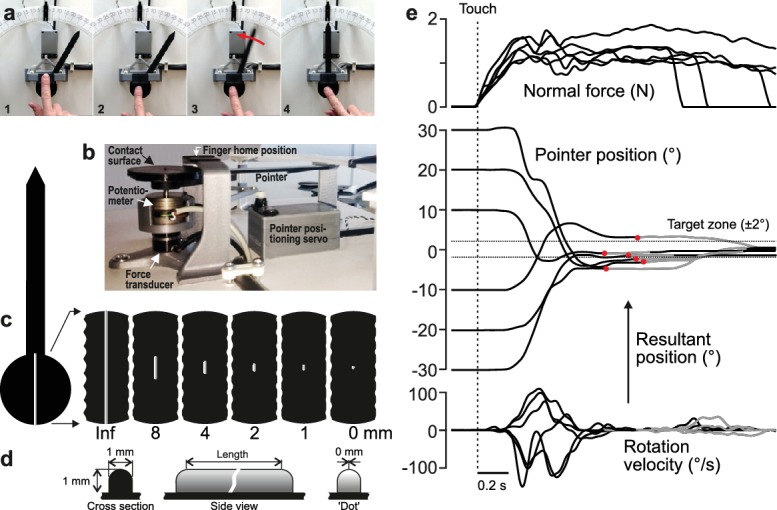
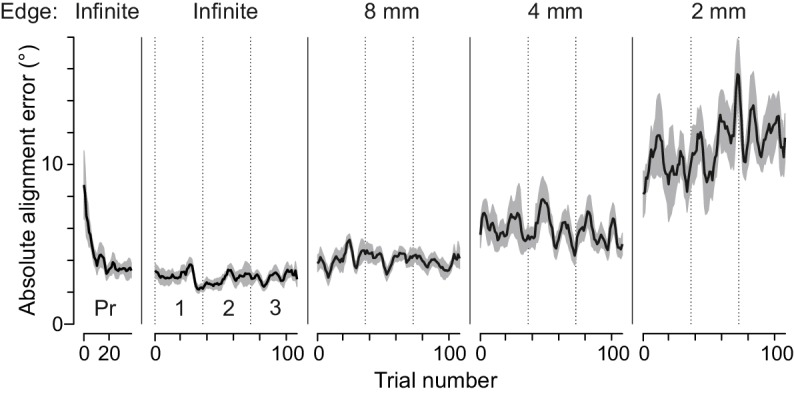
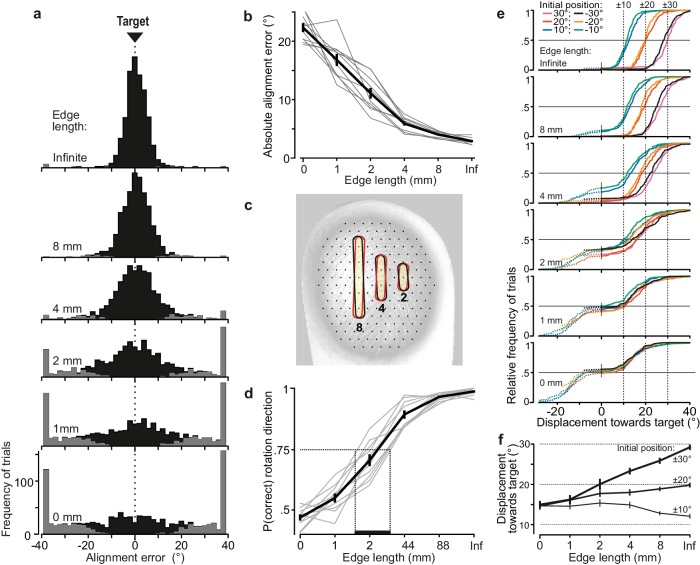
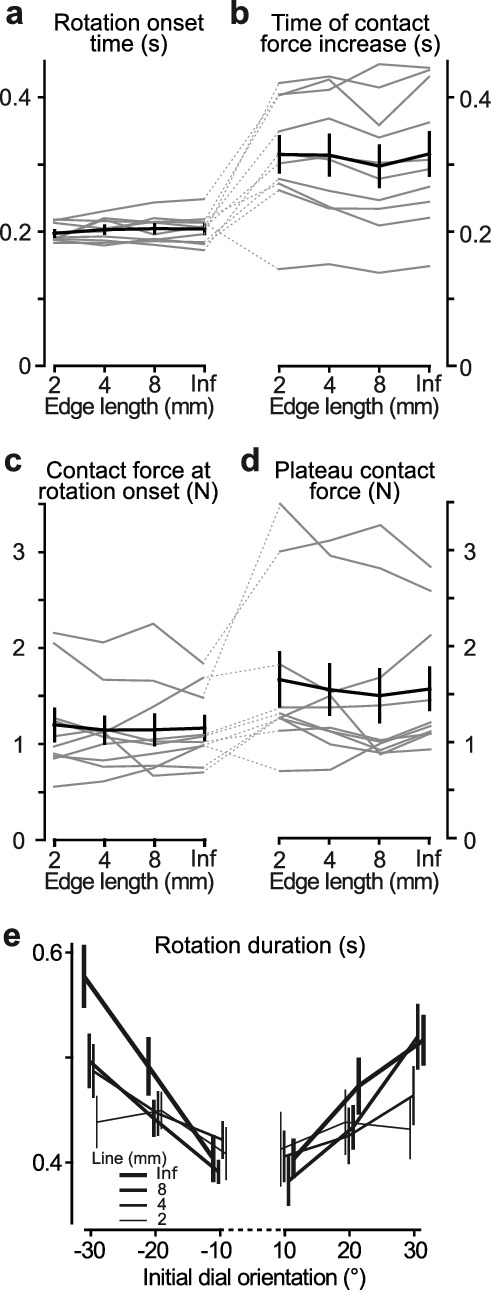
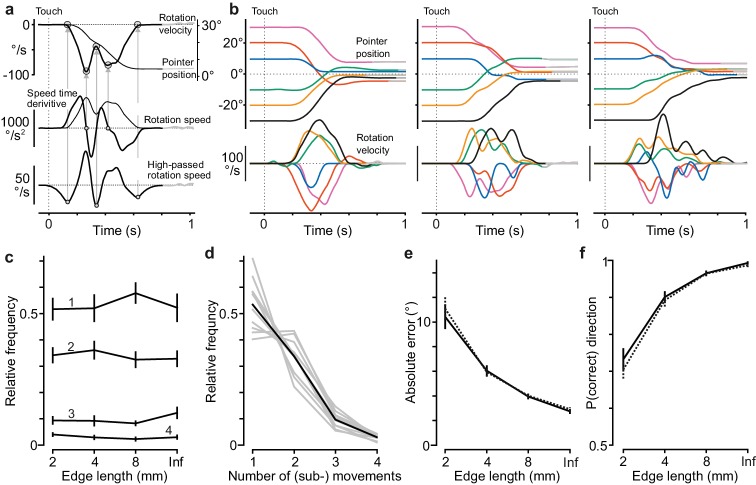
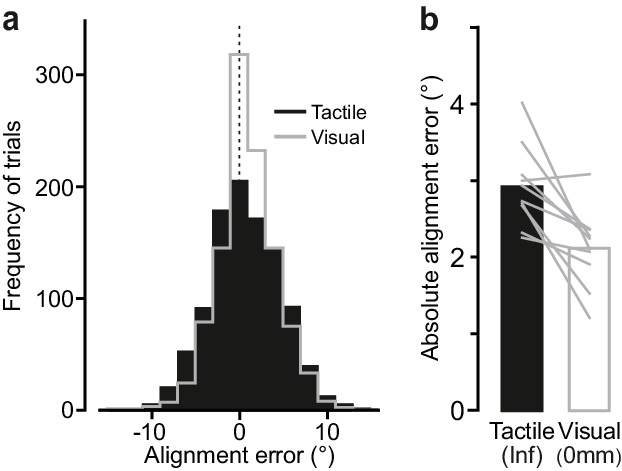
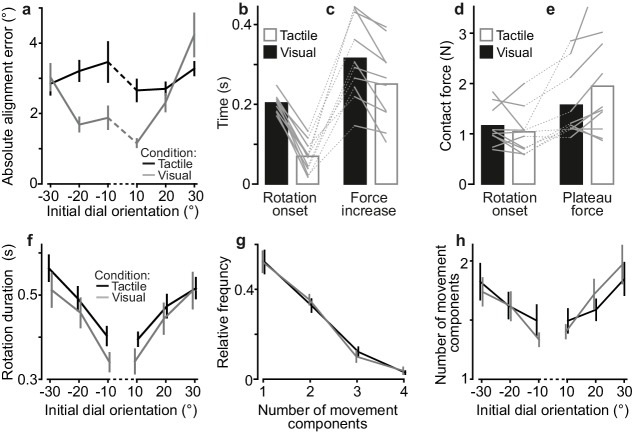
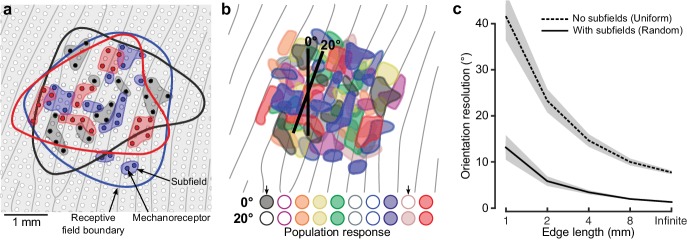
Quickly and accurately extracting information about a touched object's orientation is a critical aspect of dexterous object manipulation. However, the speed and acuity of tactile edge orientation processing with respect to the fingertips as reported in previous perceptual studies appear inadequate in these respects. Here we directly establish the tactile system's capacity to process edge-orientation information during dexterous manipulation. Participants extracted tactile information about edge orientation very quickly, using it within 200 ms of first touching the object. Participants were also strikingly accurate. With edges spanning the entire fingertip, edge-orientation resolution was better than 3° in our object manipulation task, which is several times better than reported in previous perceptual studies. Performance remained impressive even with edges as short as 2 mm, consistent with our ability to precisely manipulate very small objects. Taken together, our results radically redefine the spatial processing capacity of the tactile system.
快速准确地提取关于触摸物体方向的信息是灵巧物体操作的关键方面。然而,以前的感知研究中报告的指尖触觉边缘方向处理的速度和敏锐度在这些方面似乎不够。在这里,我们直接确定了触觉系统在灵巧操作过程中处理边缘方向信息的能力。参与者非常快速地提取了关于边缘方向的触觉信息,在第一次触摸物体后的 200 毫秒内使用了这些信息。参与者也非常准确。在整个指尖上的边缘,在我们的物体操作任务中,边缘方向的分辨率优于 3°,这比以前的感知研究报告的要好几倍。即使边缘只有 2 毫米长,性能仍然令人印象深刻,这与我们精确操作非常小物体的能力一致。总之,我们的结果从根本上重新定义了触觉系统的空间处理能力。