Westwood Samuel J, Romani Cristina
School of Life & Health Sciences, Aston University, Birmingham, United Kingdom.
Front Neurosci. 2018 Mar 19;12:166. doi: 10.3389/fnins.2018.00166. eCollection 2018.
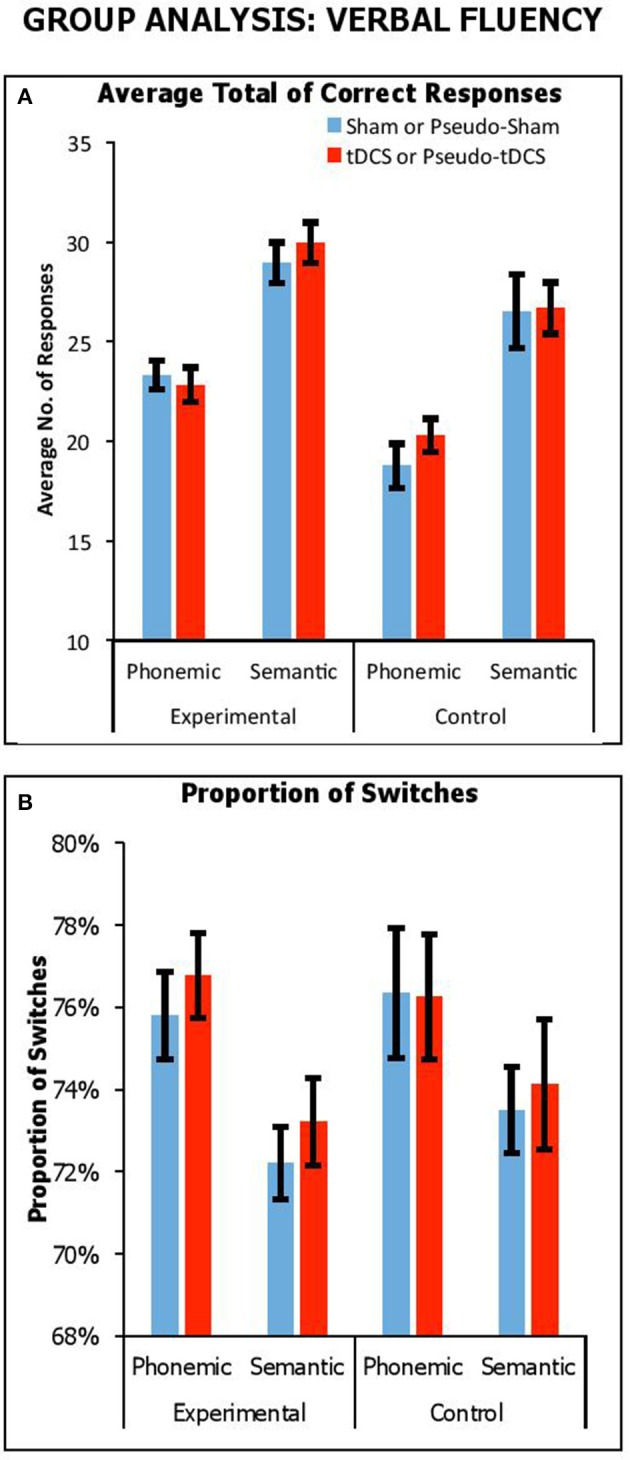
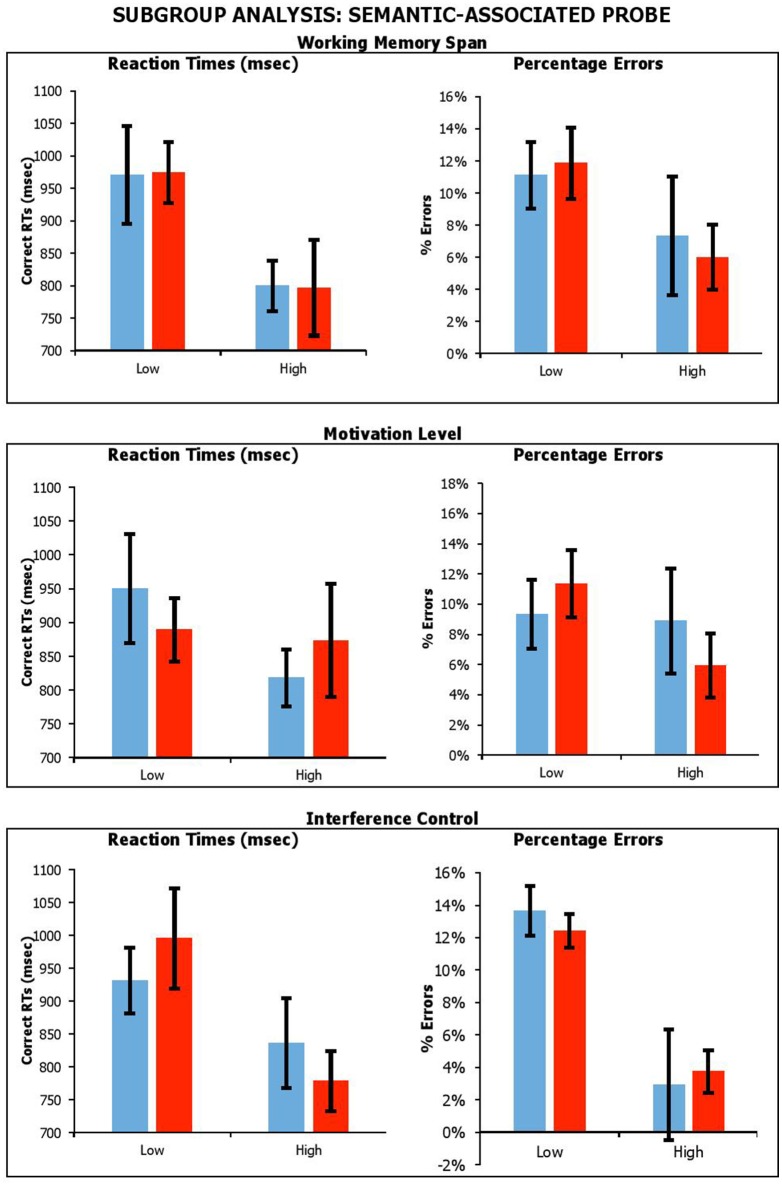
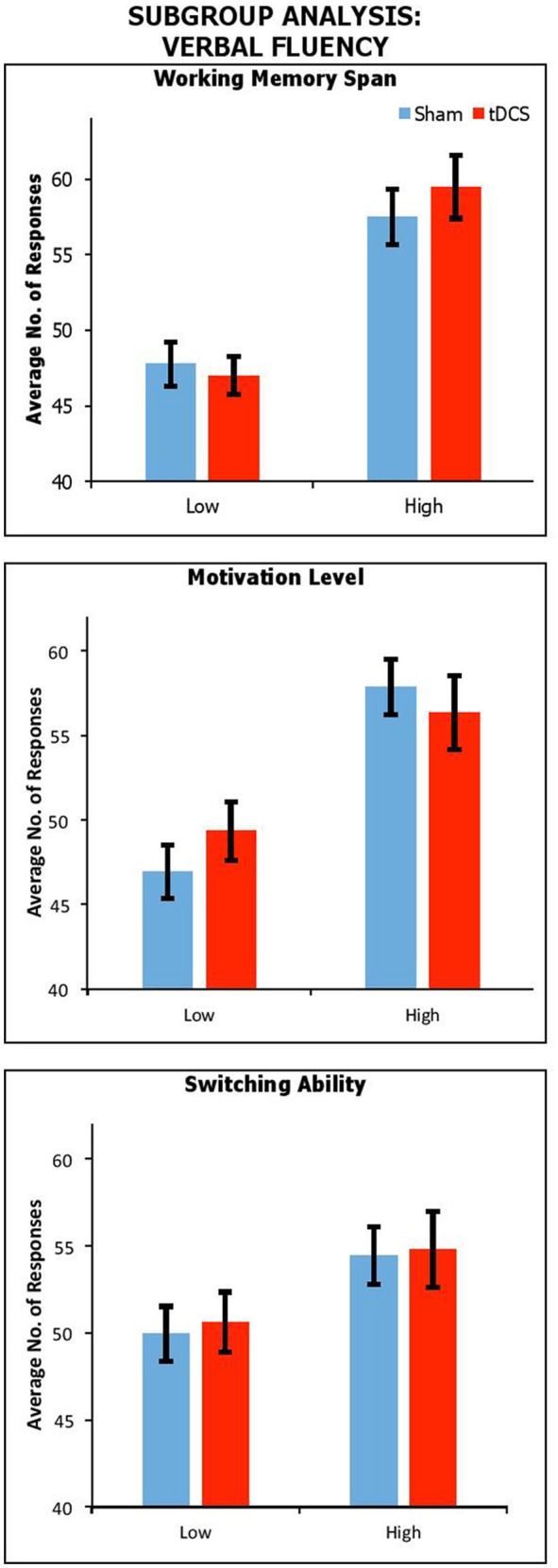
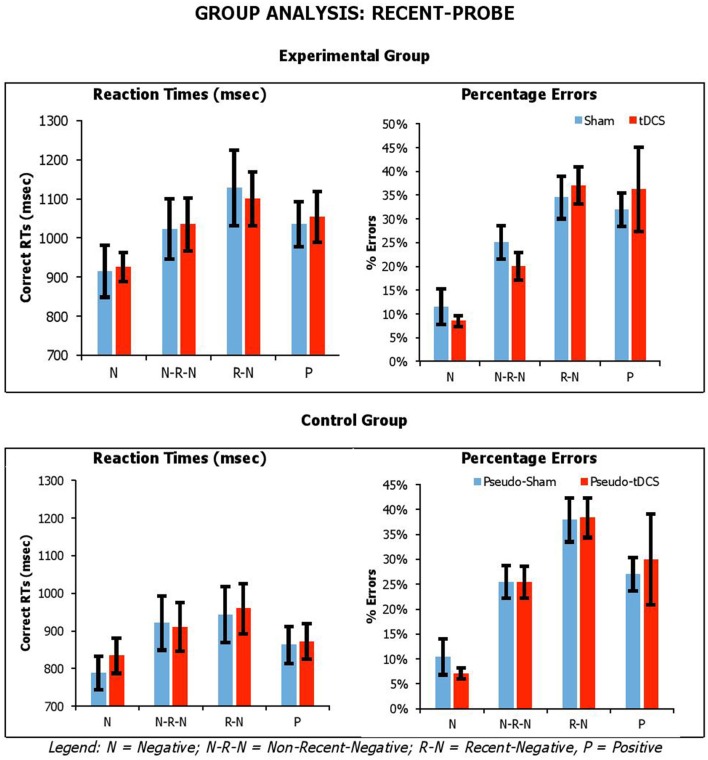
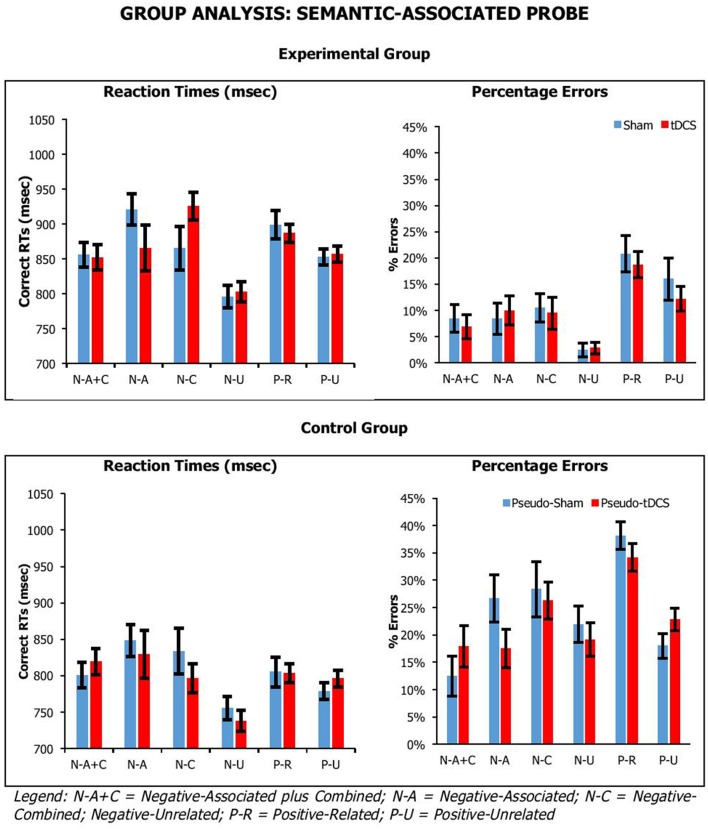
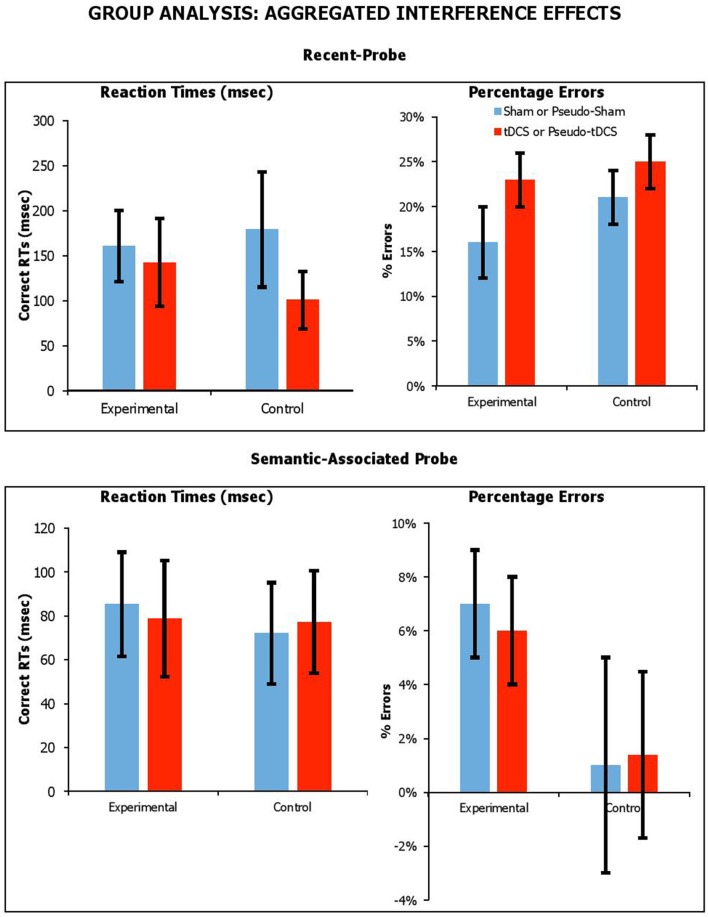
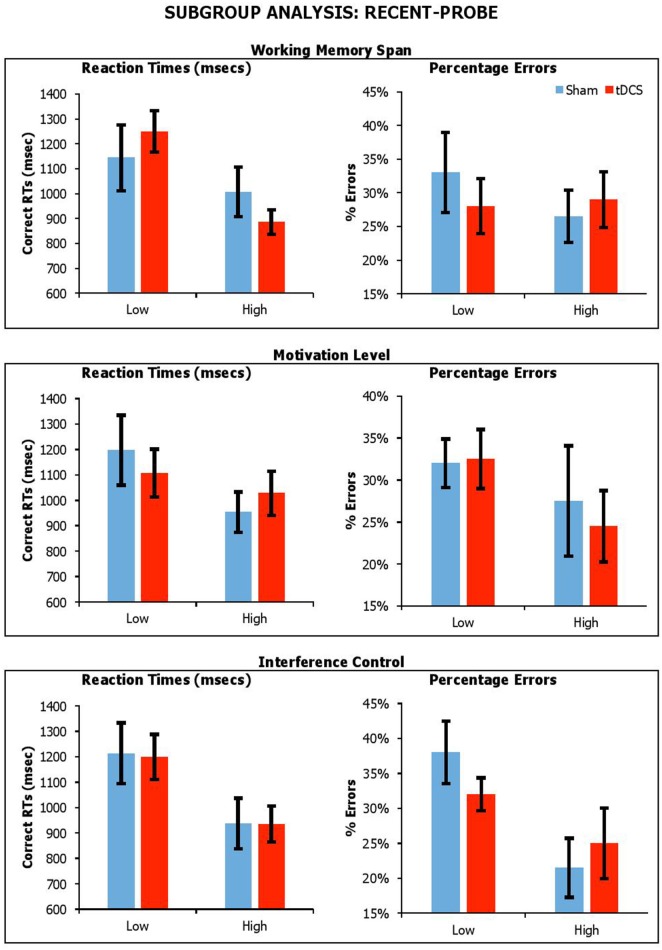
Transcranial direct current stimulation (tDCS) is a technique used to modify cognition by modulating underlying cortical excitability via weak electric current applied through the scalp. Although many studies have reported positive effects with tDCS, a number of recent studies highlight that tDCS effects can be small and difficult to reproduce. This is especially the case when attempting to modulate performance using single applications of tDCS in healthy participants. Possible reasons may be that optimal stimulation parameters have yet to be identified, and that individual variation in cortical activity and/or level of ability confound outcomes. To address these points, we carried out a series of experiments in which we attempted to modulate performance in fluency and working memory probe tasks using stimulation parameters which have been associated with positive outcomes: we targeted the left inferior frontal gyrus (LIFG) and compared performance when applying a 1.5 mA anodal current for 25 min and with sham stimulation. There is evidence that LIFG plays a role in these tasks and previous studies have found positive effects of stimulation. We also compared our experimental group ( = 19-20) with a control group receiving no stimulation ( = 24). More importantly, we also considered effects on subgroups subdivided according to memory span as well as to more direct measures of executive function abilities and motivational levels. We found no systematic effect of stimulation. Our findings are in line with a growing body of evidence that tDCS produces unreliable effects. We acknowledge that our findings speak to the conditions we investigated, and that alternative protocols (e.g., multiple sessions, clinical samples, and different stimulation polarities) may be more effective. We encourage further research to explore optimal conditions for tDCS efficacy, given the potential benefits that this technique poses for understanding and enhancing cognition.
经颅直流电刺激(tDCS)是一种通过经头皮施加弱电流来调节潜在皮质兴奋性从而改变认知的技术。尽管许多研究报告了tDCS的积极效果,但最近的一些研究强调,tDCS的效果可能很小且难以重复。在健康参与者中尝试使用单次tDCS来调节表现时尤其如此。可能的原因是尚未确定最佳刺激参数,并且皮质活动和/或能力水平的个体差异会混淆结果。为了解决这些问题,我们进行了一系列实验,在实验中我们尝试使用与积极结果相关的刺激参数来调节流畅性和工作记忆探测任务中的表现:我们将目标定为左侧额下回(LIFG),并比较了施加1.5 mA阳极电流25分钟时与伪刺激时的表现。有证据表明LIFG在这些任务中起作用,并且先前的研究已经发现了刺激的积极效果。我们还将我们的实验组(n = 19 - 20)与未接受刺激的对照组(n = 24)进行了比较。更重要的是,我们还考虑了对根据记忆跨度以及执行功能能力和动机水平的更直接测量进行细分的亚组的影响。我们没有发现刺激的系统性效果。我们的发现与越来越多的证据一致,即tDCS产生不可靠的效果。我们承认我们的发现适用于我们所研究的条件,并且替代方案(例如多次疗程、临床样本和不同的刺激极性)可能更有效。鉴于该技术对理解和增强认知具有潜在益处,我们鼓励进一步研究以探索tDCS疗效的最佳条件。