Center for Vaccine Development, University of Maryland School of Medicine, Baltimore, MD, United States.
Molecular Microbiology and Immunology Department, University of Maryland Graduate Program in Life Sciences, Baltimore, MD, United States.
Front Immunol. 2018 Mar 20;9:498. doi: 10.3389/fimmu.2018.00498. eCollection 2018.
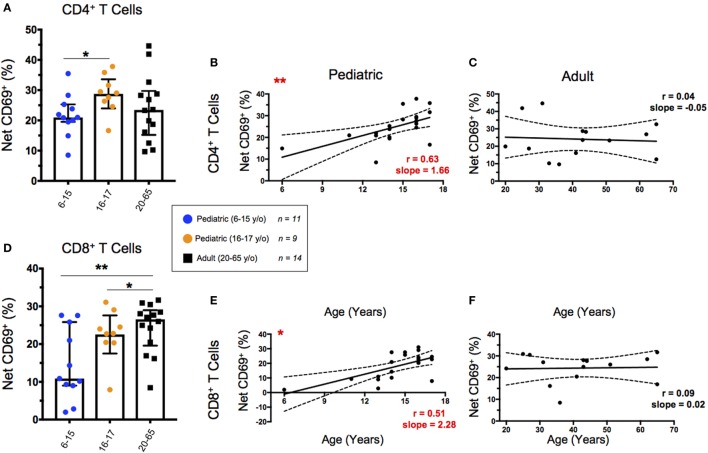
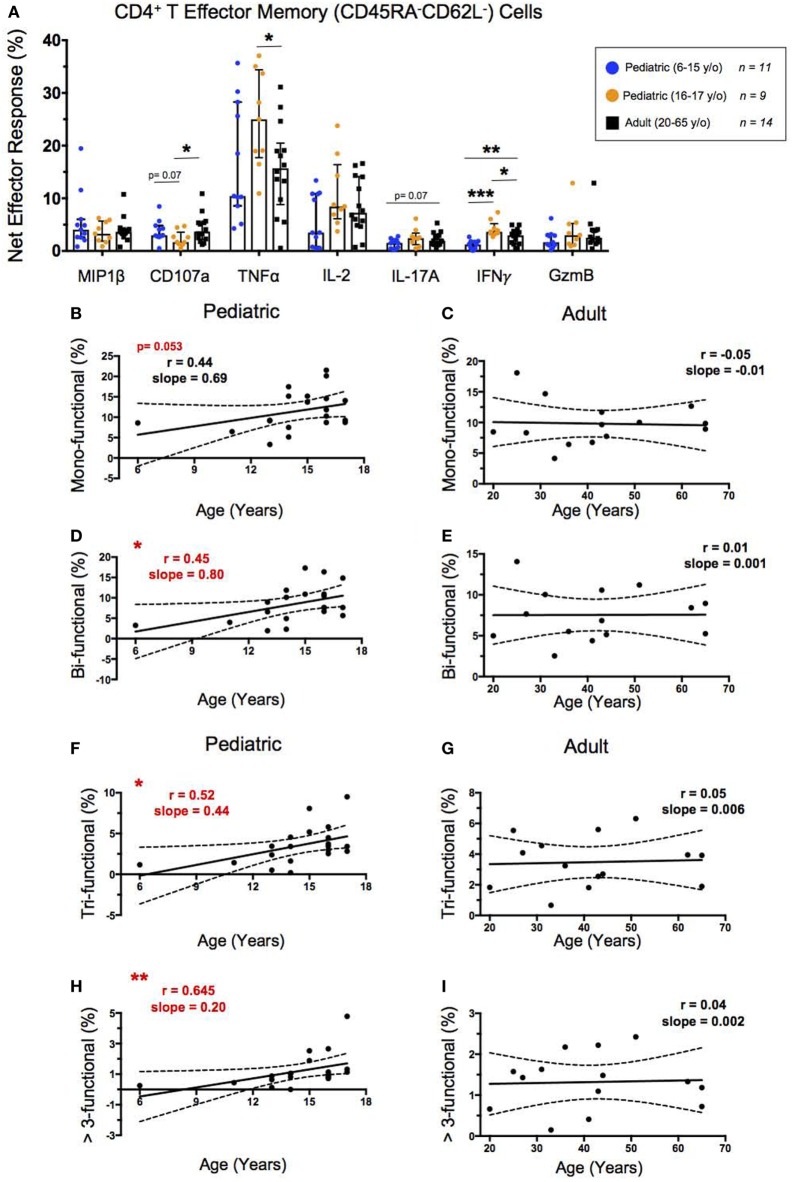
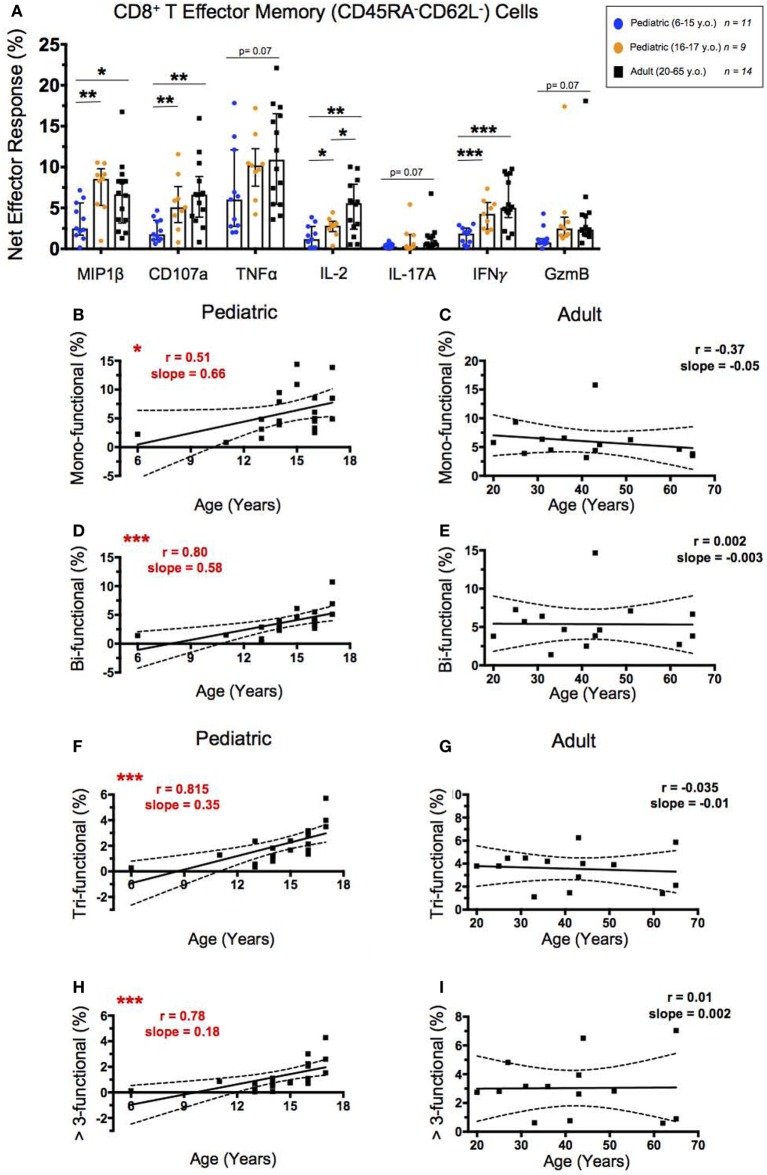
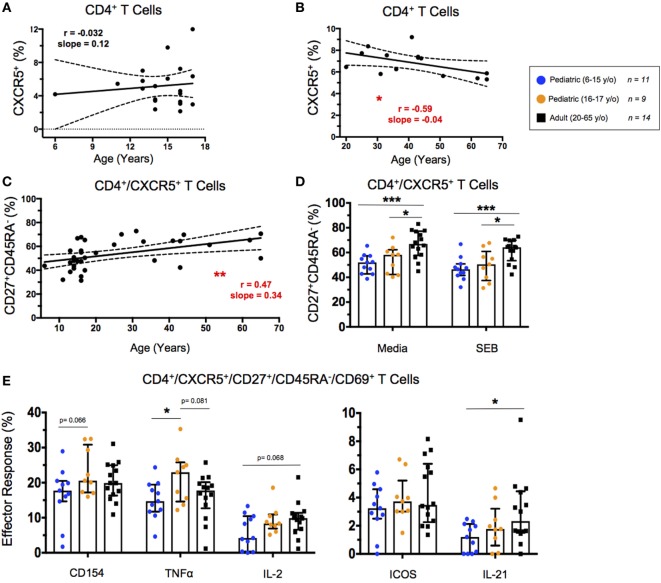
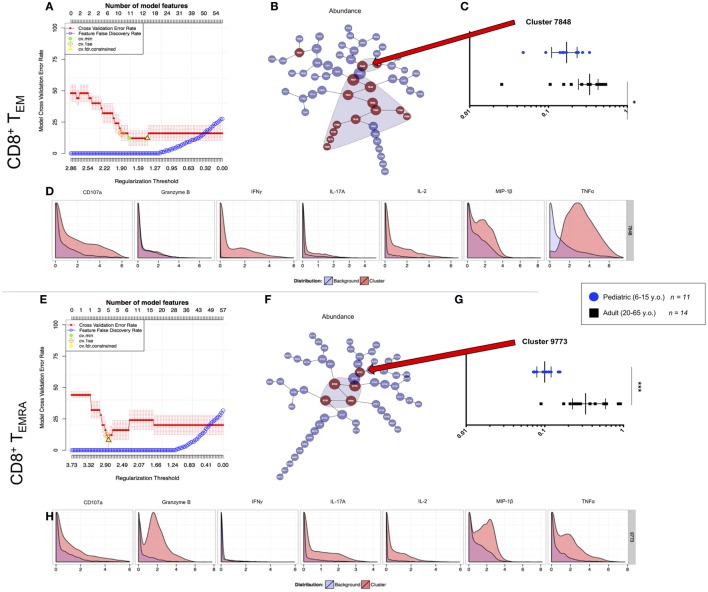
Toxic shock syndrome (TSS) is capable of inducing life-threatening fever, rash, and systemic organ failure, though the specific mechanisms behind these symptoms remain poorly understood. Staphylococcal enterotoxin B (SEB) and other superantigens have shown to be important factors in TSS, capable of promoting cross-linking between T cell receptors and major histocompatibility complexes which results in overwhelming T cell activation, proliferation, and cytokine production. The resulting proinflammatory cytokine cascade, often referred to as the "cytokine storm," seems to be critical to the development of disease. Interestingly, clinical studies have shown that children exhibit less severe TSS-associated morbidity than adults, though the mechanism behind this phenomenon has not been addressed. Indeed, despite the fact that most novel antigen exposure occurs early in life, be it from environmentally acquired pathogens or routine vaccination, normal pediatric T cell immune functions remain critically underexplored. This is largely due to difficulty in obtaining enough samples to explore more than a narrow sliver of the cell-mediated immune compartment. To address this limitation, we optimized a T effector (T)/circulating T follicular helper (cT) cell mass cytometry panel which allowed us to analyze a wide array of T cell populations and effector functions following SEB stimulation. We show that T cell activation-as measured by CD69 expression-following SEB stimulation is lower in pediatric participants, increasing throughout childhood, and reaching adult levels by around 15 years old. Further, while individual CD4 effector memory T cell (T) effector molecules show limited age-associated differences following SEB stimulation, multifunctional CD4 T are shown to positively correlate with increasing age through adolescence. Individual CD8 T effectors and multifunctional phenotypes also show very strong age-associated increases following SEB stimulation. SEB stimulation has little impact on cT activation or functional cellular markers, regardless of age. These results, coupled with the fact that a robust proinflammatory cytokine response seems critical to developing severe TSS, suggest a possible connection between the significantly reduced T cell activation and multifunctional populations following SEB stimulation in our pediatric participants and clinical observations relating to reduced TSS mortality in children.
中毒性休克综合征(TSS)能够引起危及生命的发热、皮疹和全身器官衰竭,尽管这些症状背后的具体机制仍不清楚。葡萄球菌肠毒素 B(SEB)和其他超抗原已被证明是 TSS 的重要因素,能够促进 T 细胞受体与主要组织相容性复合物之间的交联,从而导致 T 细胞过度激活、增殖和细胞因子产生。由此产生的促炎细胞因子级联反应,通常称为“细胞因子风暴”,似乎对疾病的发展至关重要。有趣的是,临床研究表明,儿童的 TSS 相关发病率比成年人低,但这一现象背后的机制尚未得到解决。事实上,尽管大多数新抗原暴露发生在生命早期,无论是从环境中获得的病原体还是常规疫苗接种,正常的儿科 T 细胞免疫功能仍严重未被探索。这在很大程度上是由于难以获得足够的样本来探索细胞介导免疫隔室的一小部分。为了解决这一限制,我们优化了 T 效应(T)/循环滤泡辅助 T(cT)细胞质谱细胞术面板,该面板允许我们在 SEB 刺激后分析广泛的 T 细胞群体和效应功能。我们表明,SEB 刺激后,儿科参与者的 T 细胞激活(以 CD69 表达衡量)较低,随着年龄的增长而增加,并在 15 岁左右达到成人水平。此外,虽然 SEB 刺激后个体 CD4 效应记忆 T 细胞(T)效应分子的年龄相关差异有限,但多功能 CD4 T 细胞在青春期后与年龄呈正相关。SEB 刺激后,个体 CD8 T 效应器和多功能表型也呈现出非常强的年龄相关增加。SEB 刺激对 cT 的激活或功能细胞标志物几乎没有影响,与年龄无关。这些结果,再加上一个强有力的促炎细胞因子反应似乎对严重 TSS 的发展至关重要的事实,表明在我们的儿科参与者中,SEB 刺激后 T 细胞激活和多功能群体的显著减少与儿童 TSS 死亡率降低的临床观察之间可能存在联系。