Durand Melissa A
Department of Radiology, Yale University School of Medicine, New Haven, CT 06412, USA.
Diagnostics (Basel). 2018 Apr 4;8(2):22. doi: 10.3390/diagnostics8020022.
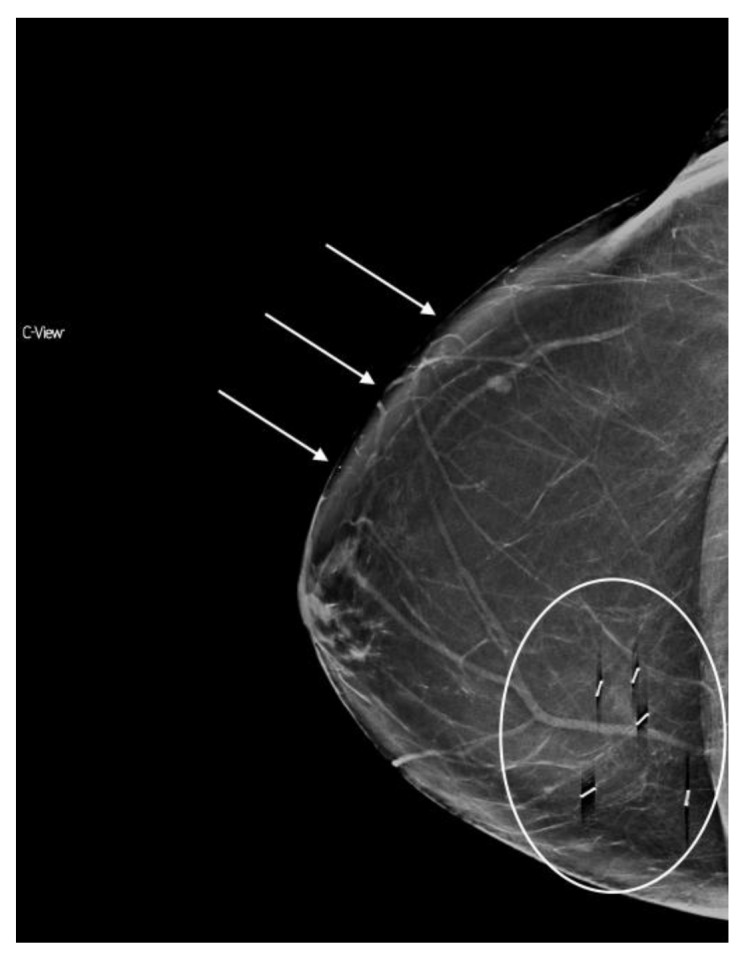
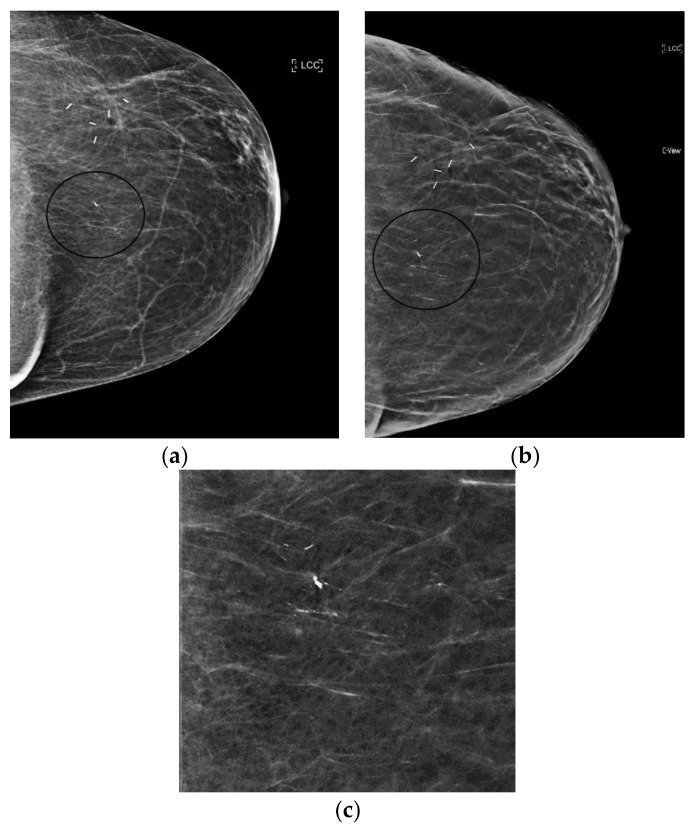
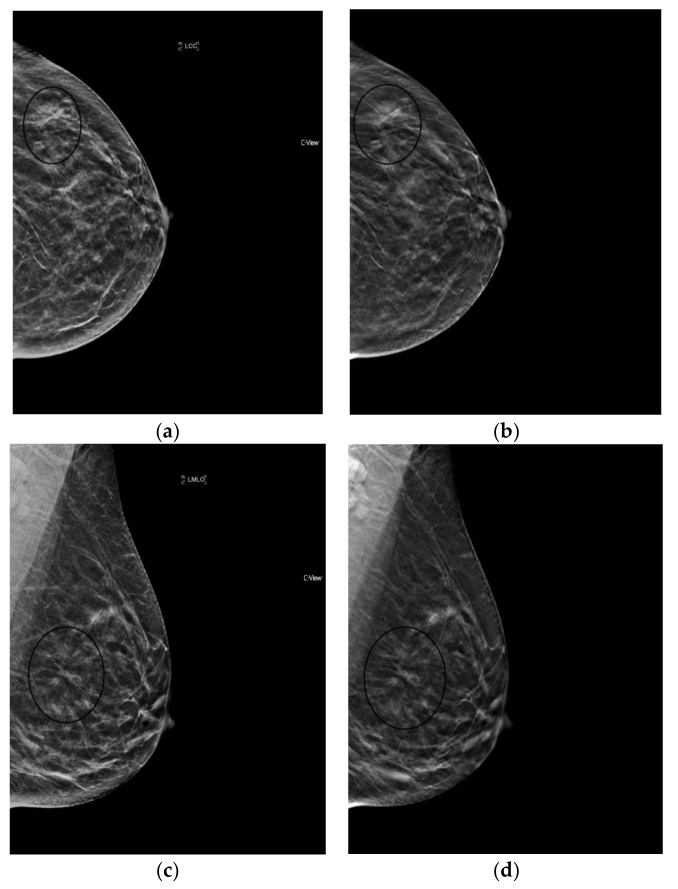
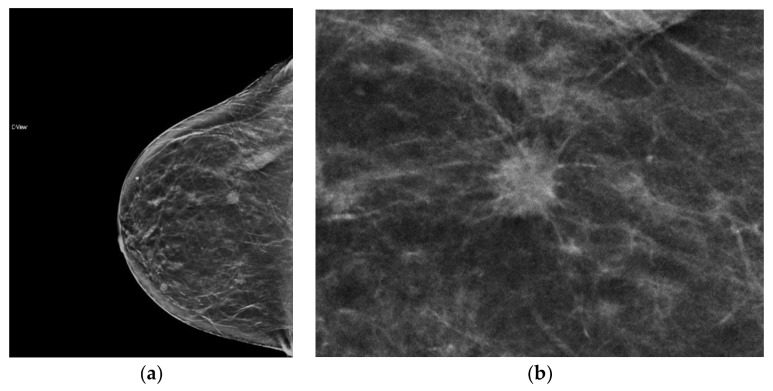
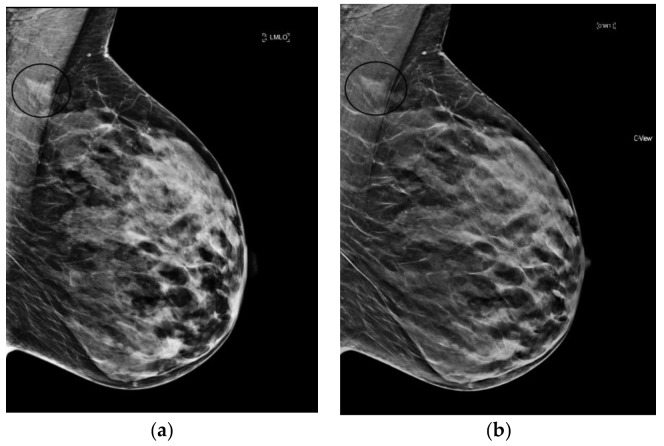
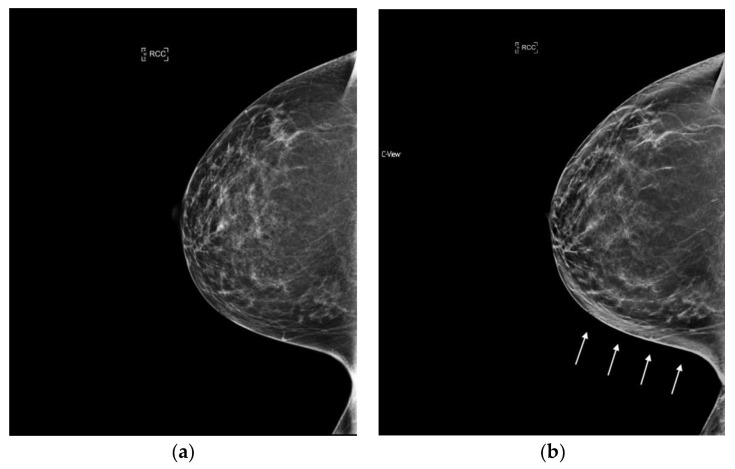
Digital breast tomosynthesis (DBT) has improved conventional mammography by increasing cancer detection while reducing recall rates. However, these benefits come at the cost of increased radiation dose. Synthesized mammography (s2D) has been developed to provide the advantages of DBT with nearly half the radiation dose. Since its F.D.A. approval, multiple studies have evaluated the clinical performance of s2D. In clinical practice, s2D images are not identical to conventional 2D images and are designed for interpretation with DBT as a complement. This article reviews the present literature to assess whether s2D is a practical alternative to conventional 2D, addresses the differences in mammographic appearance of findings, and provides suggestions for implementation into clinical practice.
数字乳腺断层合成(DBT)通过提高癌症检出率并降低召回率,改进了传统乳腺钼靶检查。然而,这些益处是以增加辐射剂量为代价的。合成乳腺钼靶检查(s2D)已被开发出来,以提供DBT的优势,同时辐射剂量几乎减半。自获得美国食品药品监督管理局(FDA)批准以来,多项研究对s2D的临床性能进行了评估。在临床实践中,s2D图像与传统二维(2D)图像不同,其设计目的是作为DBT的补充用于解读。本文回顾了当前文献,以评估s2D是否是传统2D的实用替代方法,探讨检查结果在乳腺钼靶影像表现上的差异,并为临床实践中的应用提供建议。