Jin Guangwen, Aobulikasimu Alkebaier, Piao Jinying, Aibibula Zulipiya, Koga Daisuke, Sato Shingo, Ochi Hiroki, Tsuji Kunikazu, Nakabayashi Tetsuo, Miyata Toshio, Okawa Atsushi, Asou Yoshinori
Department of Orthopedics Surgery Tokyo Medical and Dental University Japan.
Department of Orthopaedic Surgery Yanbian University Hospital Yanji City Jilin Province China.
FEBS Open Bio. 2018 Feb 16;8(4):523-532. doi: 10.1002/2211-5463.12390. eCollection 2018 Apr.
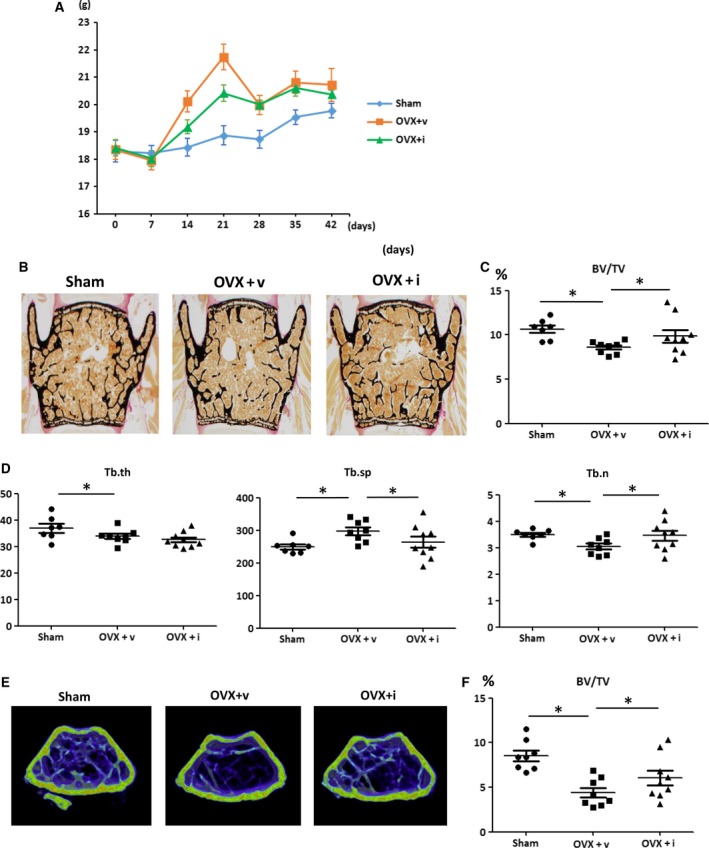
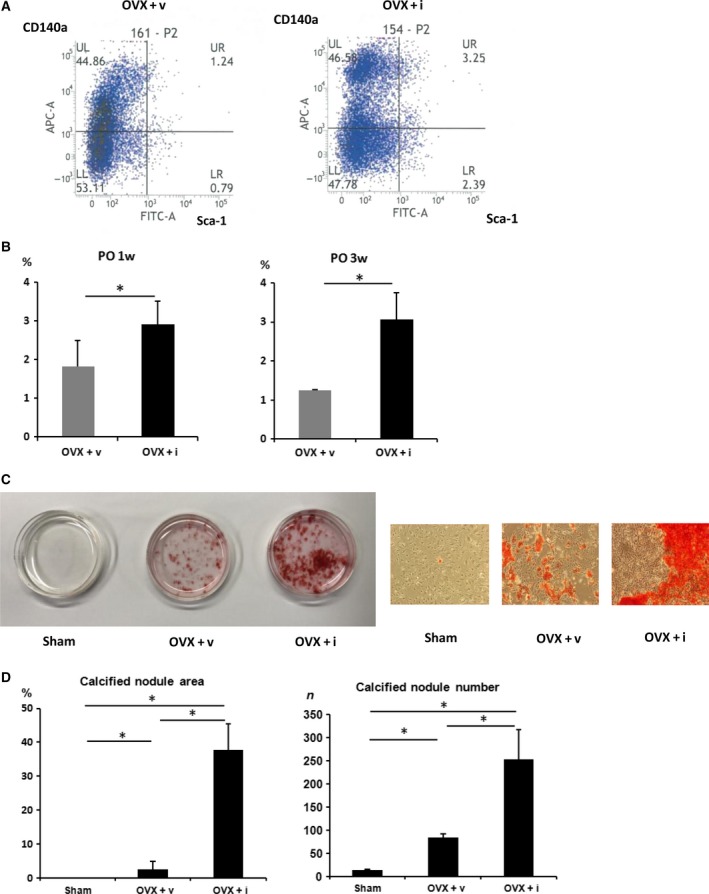
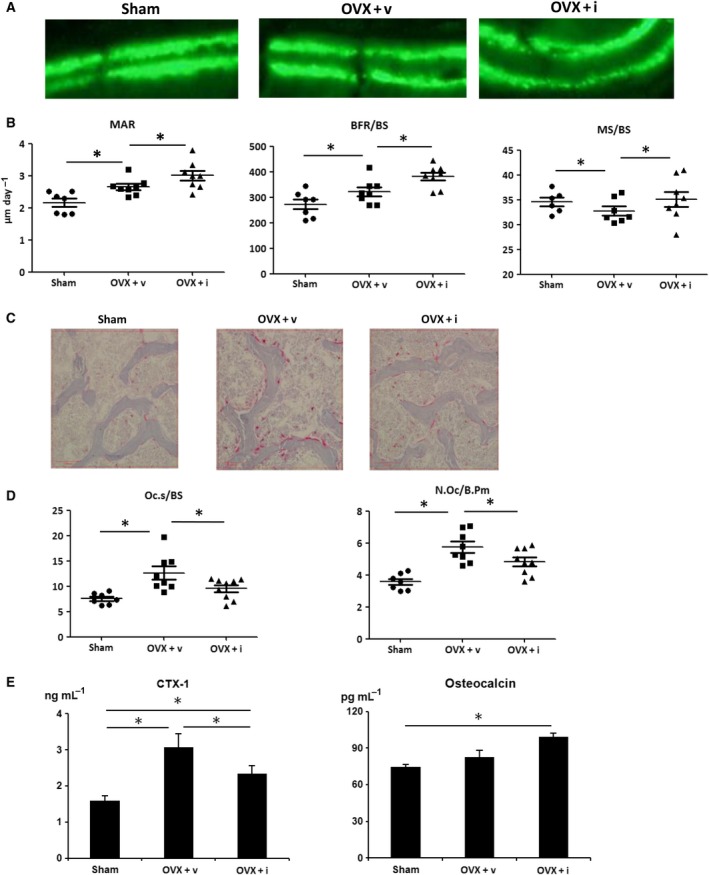
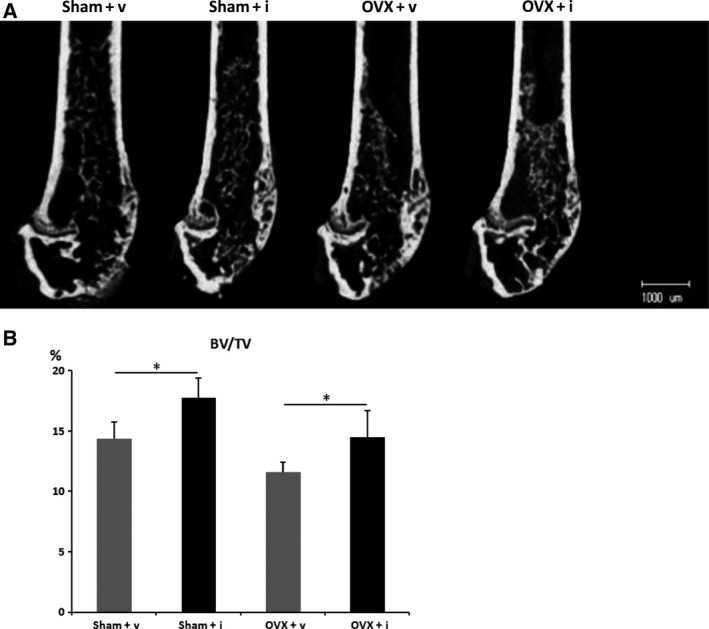
Osteoporosis is a progressive bone disease caused by an imbalance between bone resorption and formation. Recently, plasminogen activator inhibitor-1 (PAI-1) was shown to play an important role in bone metabolism using PAI-1-deficient mice. In this study, we evaluated the therapeutic benefits of novel, orally available small-molecule PAI-1 inhibitor (iPAI-1) in an estrogen deficiency-induced osteoporosis model. Eight-week-old C57BL/6J female mice were divided into three groups: a sham + vehicle (Sham), ovariectomy + vehicle (OVX + v), and OVX + iPAI-1 (OVX + i) group. iPAI-1 was administered orally each day for 6 weeks starting the day after the operation. Six weeks of iPAI-1 treatment prevented OVX-induced trabecular bone loss in both the femoral bone and lumbar spine. Bone formation activity was significantly higher in the OVX + i group than in the OVX + v and Sham groups. Unexpectedly, OVX-induced osteoclastogenesis was partially, but significantly reduced. Fluorescence-activated cell sorting analyses indicated that the number of bone marrow stromal cells was higher in the OVX + i group than that in the OVX + v group. A colony-forming unit-osteoblast assay indicated enhanced mineralized nodule formation activity in bone marrow cells isolated from iPAI-1-treated animals. Bone marrow ablation analysis indicated that the remodeled trabecular bone volume was significantly higher in the iPAI-1-treated group than that in the control group. In conclusion, our results suggest PAI-1 blockade via a small-molecule inhibitor is a new therapeutic approach for the anabolic treatment of postmenopausal osteoporosis.
骨质疏松症是一种由骨吸收与骨形成失衡引起的进行性骨病。最近,利用纤溶酶原激活物抑制剂-1(PAI-1)基因缺陷小鼠研究表明,PAI-1在骨代谢中发挥重要作用。在本研究中,我们评估了新型口服小分子PAI-1抑制剂(iPAI-1)对雌激素缺乏诱导的骨质疏松症模型的治疗效果。将8周龄C57BL/6J雌性小鼠分为三组:假手术+赋形剂组(假手术组)、卵巢切除+赋形剂组(OVX + v组)和卵巢切除+iPAI-1组(OVX + i组)。术后次日开始,每天口服给予iPAI-1,持续6周。iPAI-1治疗6周可预防卵巢切除引起的股骨和腰椎小梁骨丢失。OVX + i组的骨形成活性显著高于OVX + v组和假手术组。出乎意料的是,卵巢切除诱导的破骨细胞生成虽只是部分但显著减少。荧光激活细胞分选分析表明,OVX + i组的骨髓基质细胞数量高于OVX + v组。集落形成单位成骨细胞试验表明,从iPAI-1处理动物分离的骨髓细胞中矿化结节形成活性增强。骨髓消融分析表明,iPAI-1处理组的重塑小梁骨体积显著高于对照组。总之,我们的结果表明,通过小分子抑制剂阻断PAI-1是绝经后骨质疏松症合成代谢治疗的一种新的治疗方法。