Clinical Chemistry Branch, Division of Laboratory Sciences, Centers for Disease Control and Prevention, Atlanta, Georgia, United States of America.
PLoS One. 2018 Apr 10;13(4):e0194797. doi: 10.1371/journal.pone.0194797. eCollection 2018.
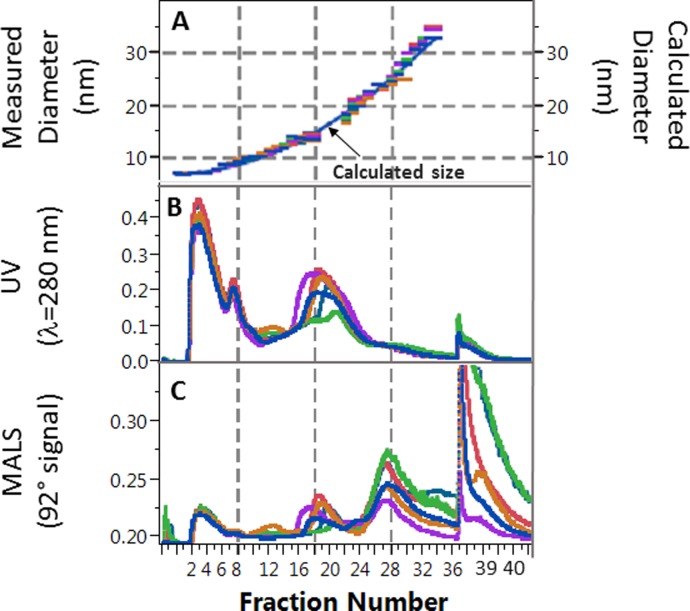
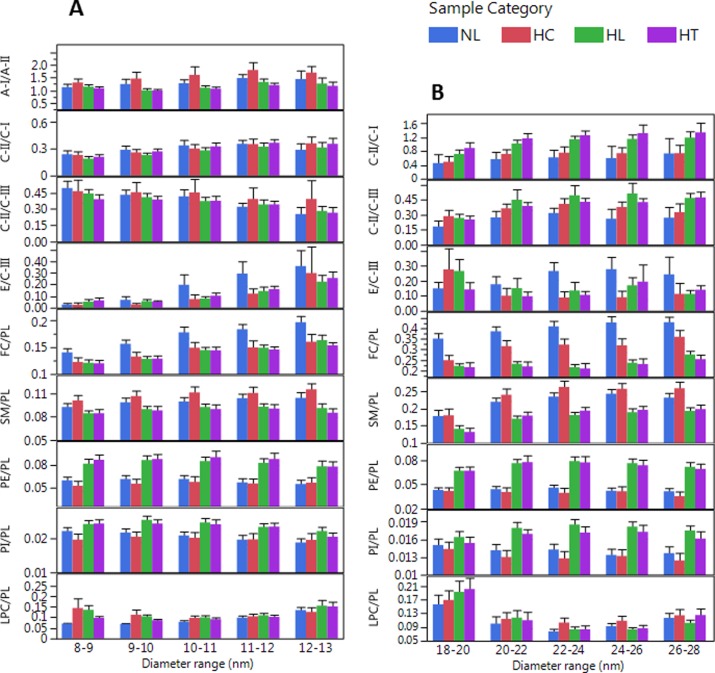
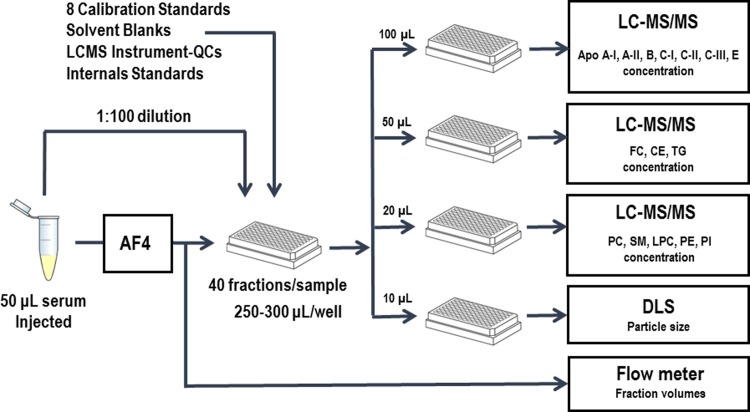
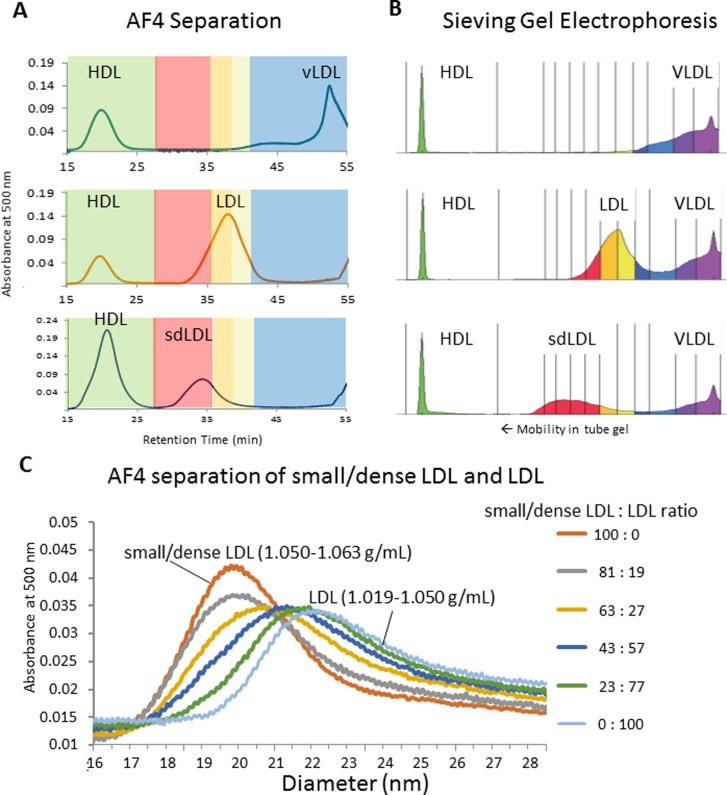
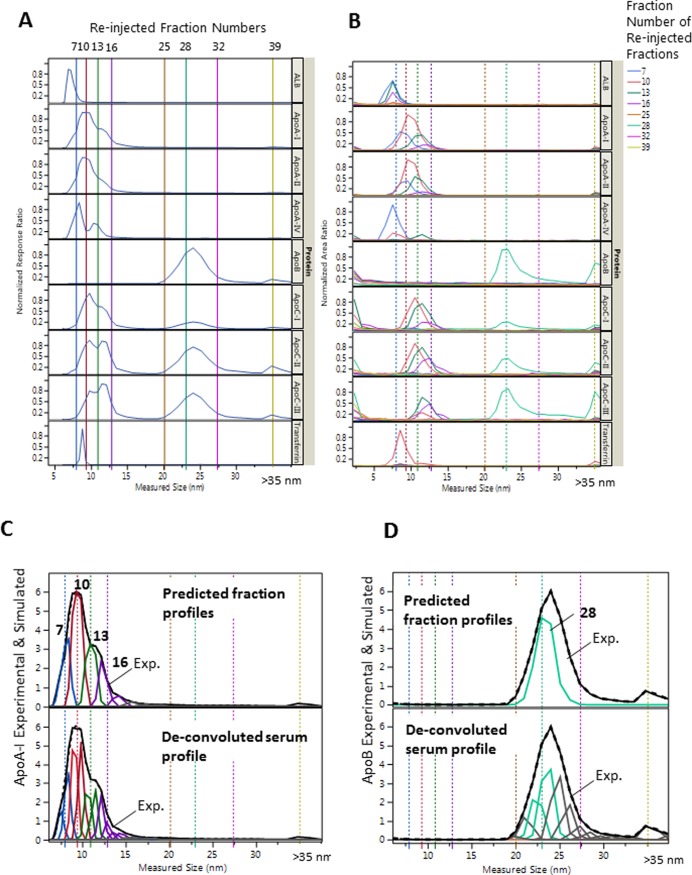
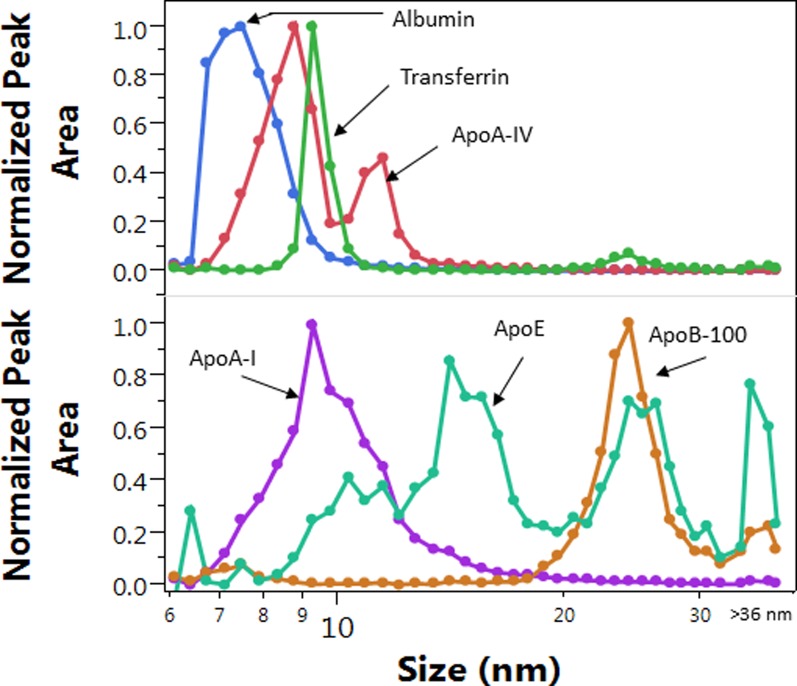
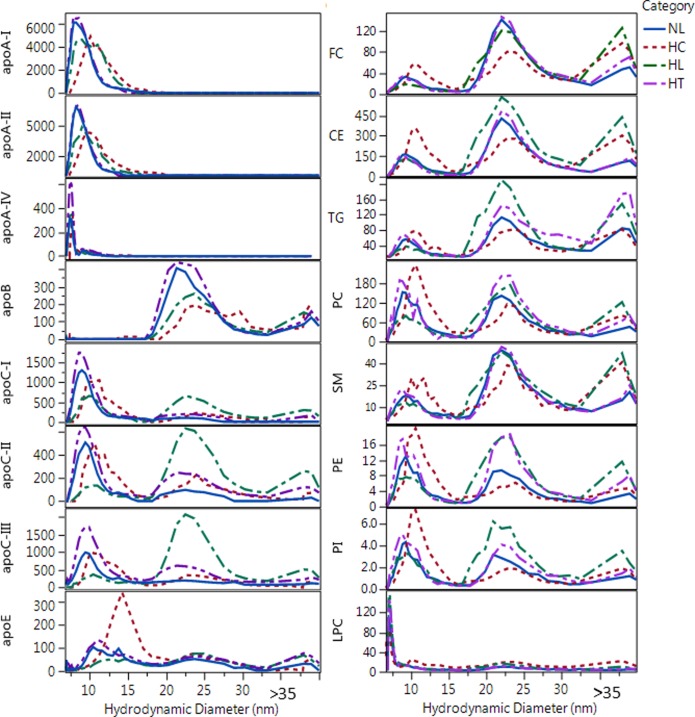
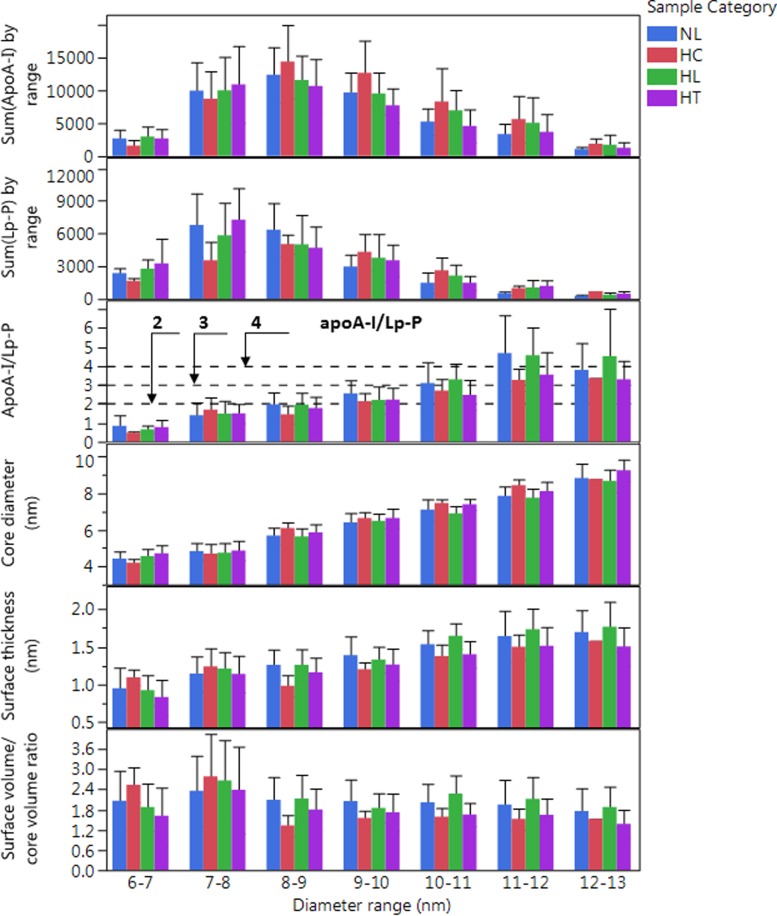
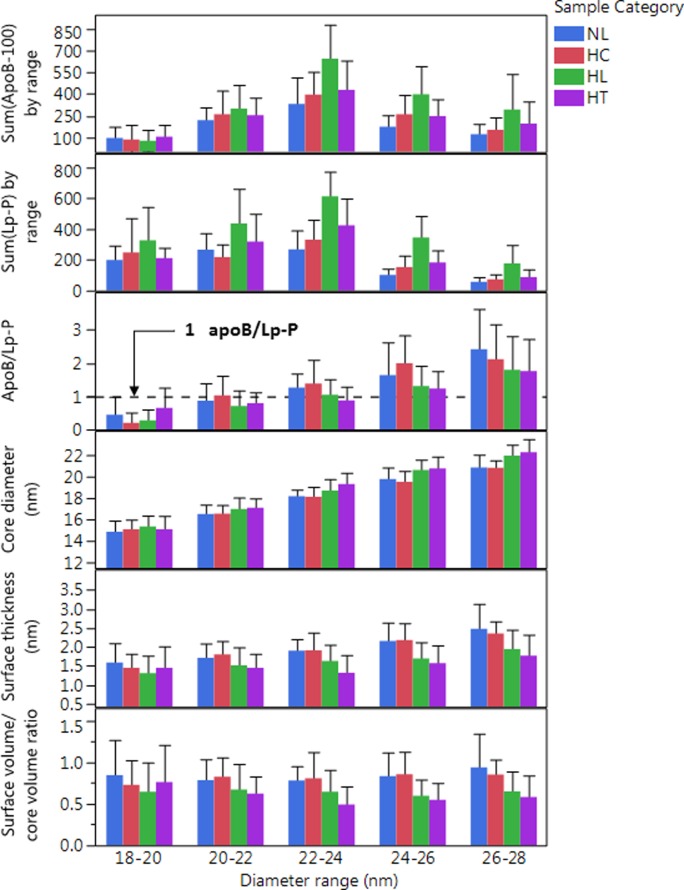
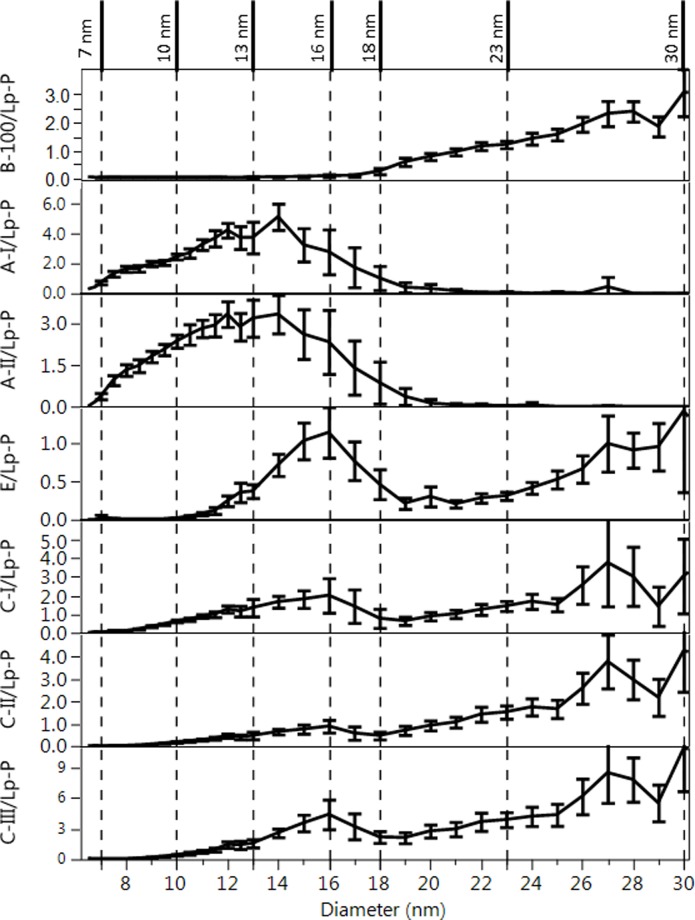
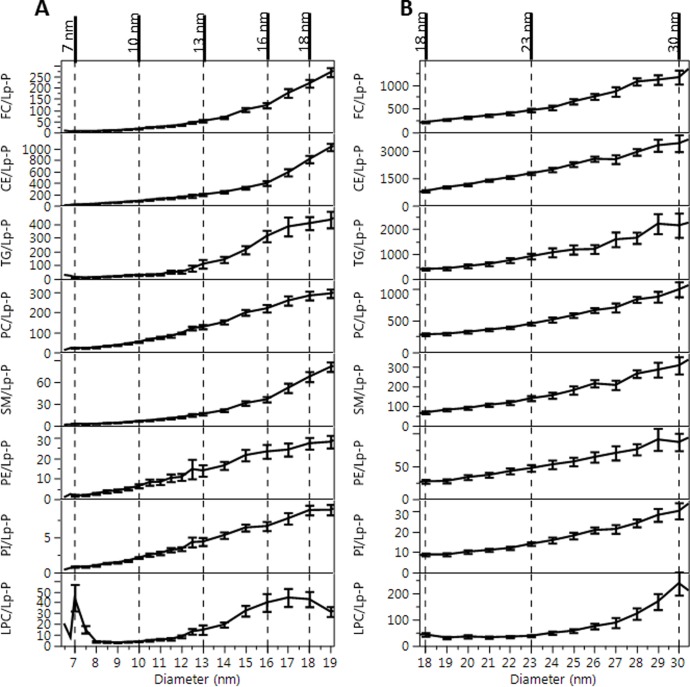
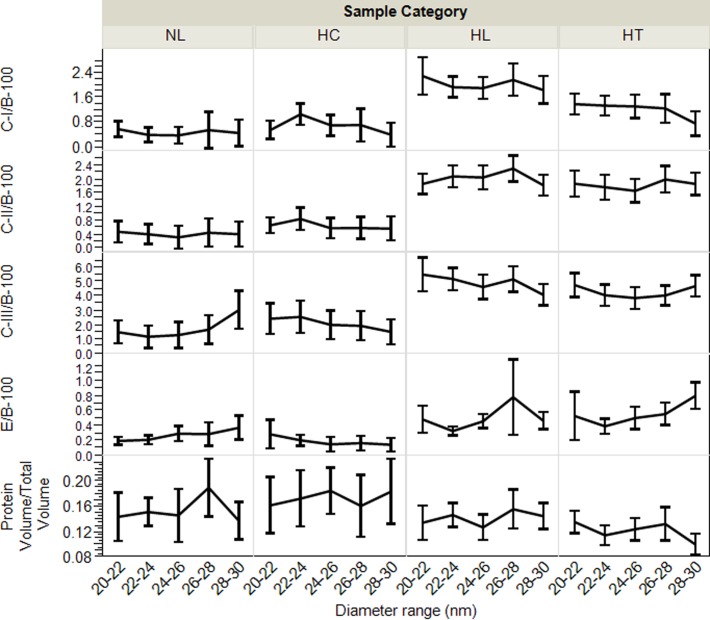
Lipoproteins are complex molecular assemblies that are key participants in the intricate cascade of extracellular lipid metabolism with important consequences in the formation of atherosclerotic lesions and the development of cardiovascular disease. Multiplexed mass spectrometry (MS) techniques have substantially improved the ability to characterize the composition of lipoproteins. However, these advanced MS techniques are limited by traditional pre-analytical fractionation techniques that compromise the structural integrity of lipoprotein particles during separation from serum or plasma. In this work, we applied a highly effective and gentle hydrodynamic size based fractionation technique, asymmetric flow field-flow fractionation (AF4), and integrated it into a comprehensive tandem mass spectrometry based workflow that was used for the measurement of apolipoproteins (apos A-I, A-II, A-IV, B, C-I, C-II, C-III and E), free cholesterol (FC), cholesterol esters (CE), triglycerides (TG), and phospholipids (PL) (phosphatidylcholine (PC), sphingomyelin (SM), phosphatidylethanolamine (PE), phosphatidylinositol (PI) and lysophosphatidylcholine (LPC)). Hydrodynamic size in each of 40 size fractions separated by AF4 was measured by dynamic light scattering. Measuring all major lipids and apolipoproteins in each size fraction and in the whole serum, using total of 0.1 ml, allowed the volumetric calculation of lipoprotein particle numbers and expression of composition in molar analyte per particle number ratios. Measurements in 110 serum samples showed substantive differences between size fractions of HDL and LDL. Lipoprotein composition within size fractions was expressed in molar ratios of analytes (A-I/A-II, C-II/C-I, C-II/C-III. E/C-III, FC/PL, SM/PL, PE/PL, and PI/PL), showing differences in sample categories with combinations of normal and high levels of Total-C and/or Total-TG. The agreement with previous studies indirectly validates the AF4-LC-MS/MS approach and demonstrates the potential of this workflow for characterization of lipoprotein composition in clinical studies using small volumes of archived frozen samples.
脂蛋白是复杂的分子组装体,是细胞外脂质代谢复杂级联反应的关键参与者,对动脉粥样硬化病变的形成和心血管疾病的发展有重要影响。多重质谱(MS)技术极大地提高了脂蛋白组成的分析能力。然而,这些先进的 MS 技术受到传统的预分析分离技术的限制,这些技术在血清或血浆中分离脂蛋白颗粒时会破坏脂蛋白颗粒的结构完整性。在这项工作中,我们应用了一种高效、温和的基于流体力学大小的分离技术,即不对称流场流分离(AF4),并将其整合到一个基于串联质谱的综合工作流程中,用于测量载脂蛋白(apo A-I、A-II、A-IV、B、C-I、C-II、C-III 和 E)、游离胆固醇(FC)、胆固醇酯(CE)、甘油三酯(TG)和磷脂(PL)(磷脂酰胆碱(PC)、鞘磷脂(SM)、磷脂酰乙醇胺(PE)、磷脂酰肌醇(PI)和溶血磷脂酰胆碱(LPC))。通过动态光散射测量 AF4 分离的 40 个大小分级中每个分级的流体力学大小。使用总共 0.1ml 的 AF4 分离的每个分级和整个血清中测量所有主要脂质和载脂蛋白,允许计算脂蛋白颗粒数量的体积,并以摩尔分析物每颗粒数比的形式表示组成。在 110 个血清样本中的测量结果表明,HDL 和 LDL 的大小分级之间存在实质性差异。大小分级内的脂蛋白组成以分析物的摩尔比(A-I/A-II、C-II/C-I、C-II/C-III、E/C-III、FC/PL、SM/PL、PE/PL 和 PI/PL)表示,显示了样品类别之间的差异,总胆固醇和/或总甘油三酯的水平正常或升高。与以前研究的一致性间接验证了 AF4-LC-MS/MS 方法,并证明了该工作流程在使用小体积冷冻存档样本进行临床研究中分析脂蛋白组成的潜力。