Department of Microbiology, Biochemistry and Immunology, Morehouse School of Medicine, 720 Westview Drive SW, Atlanta, GA, 30310, USA.
Fogarty Global Health Fellow (UJMT), Morehouse School of Medicine, 720 Westview Drive SW, Atlanta, GA, 30310, USA.
J Neuroinflammation. 2018 Apr 10;15(1):104. doi: 10.1186/s12974-018-1147-z.
Human cerebral malaria (HCM) is a severe form of malaria characterized by sequestration of infected erythrocytes (IRBCs) in brain microvessels, increased levels of circulating free heme and pro-inflammatory cytokines and chemokines, brain swelling, vascular dysfunction, coma, and increased mortality. Neuregulin-1β (NRG-1) encoded by the gene NRG1, is a member of a family of polypeptide growth factors required for normal development of the nervous system and the heart. Utilizing an experimental cerebral malaria (ECM) model (Plasmodium berghei ANKA in C57BL/6), we reported that NRG-1 played a cytoprotective role in ECM and that circulating levels were inversely correlated with ECM severity. Intravenous infusion of NRG-1 reduced ECM mortality in mice by promoting a robust anti-inflammatory response coupled with reduction in accumulation of IRBCs in microvessels and reduced tissue damage.
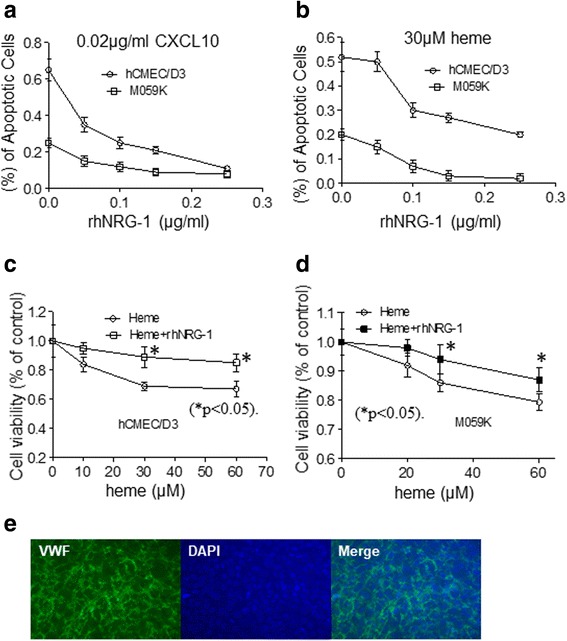
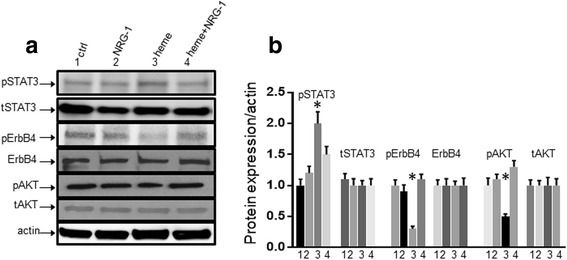
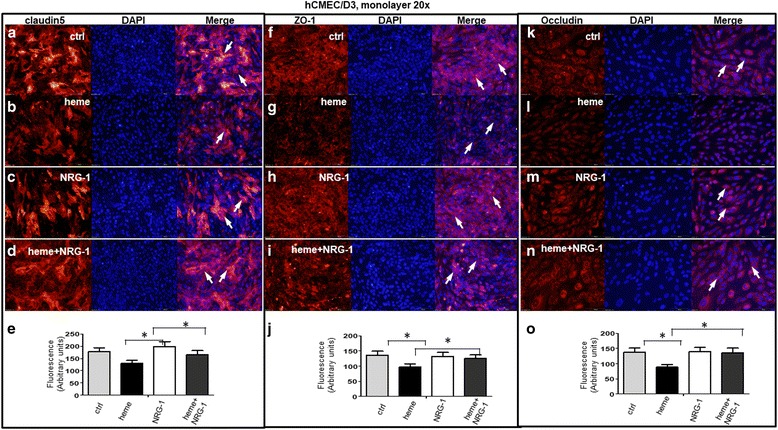
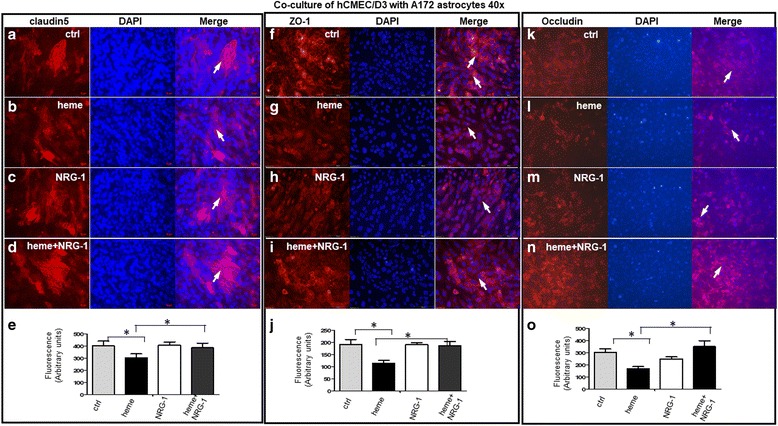
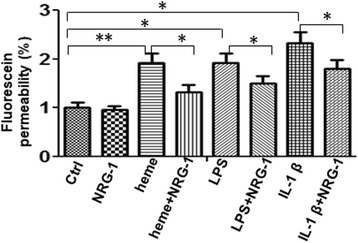
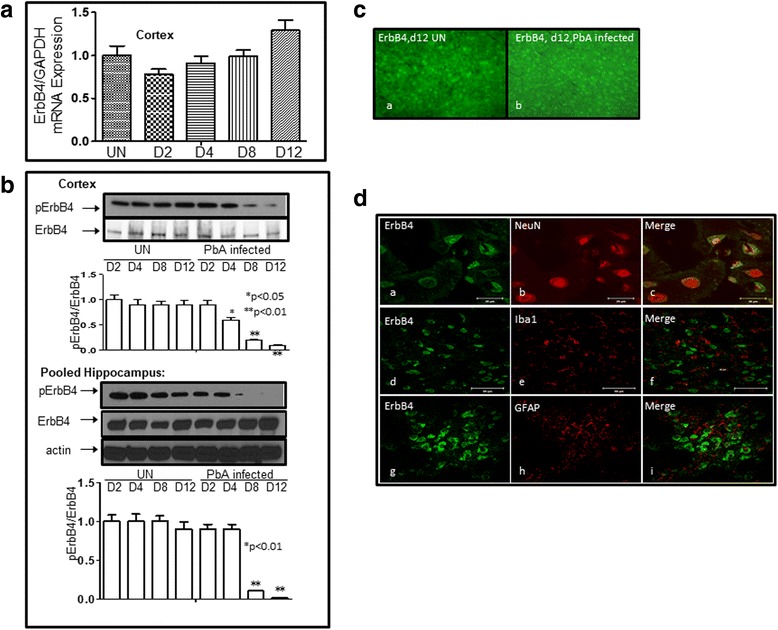
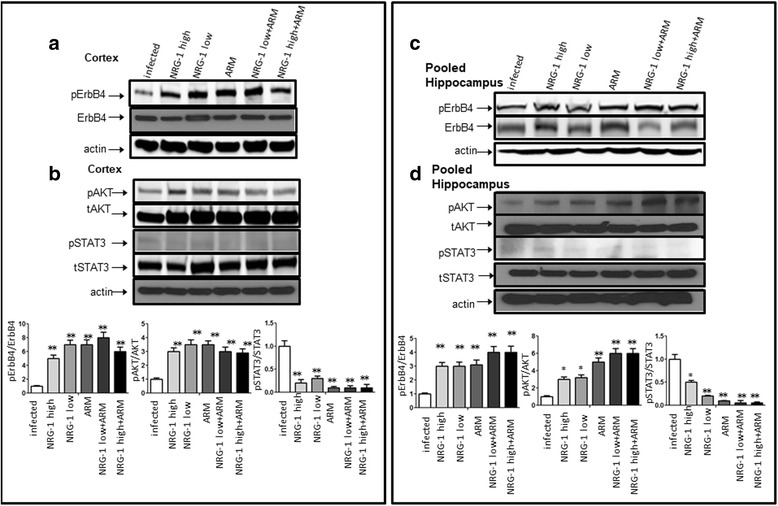
In the current study, we examined how NRG-1 treatment attenuates pathogenesis and mortality associated with ECM. We examined whether NRG-1 protects against CXCL10- and heme-induced apoptosis using human brain microvascular endothelial (hCMEC/D3) cells and M059K neuroglial cells. hCMEC/D3 cells grown in a monolayer and a co-culture system with 30 μM heme and NRG-1 (100 ng/ml) were used to examine the role of NRG-1 on blood brain barrier (BBB) integrity. Using the in vivo ECM model, we examined whether the reduction of mortality was associated with the activation of ErbB4 and AKT and inactivation of STAT3 signaling pathways. For data analysis, unpaired t test or one-way ANOVA with Dunnett's or Bonferroni's post test was applied.
We determined that NRG-1 protects against cell death/apoptosis of human brain microvascular endothelial cells and neroglial cells, the two major components of BBB. NRG-1 treatment improved heme-induced disruption of the in vitro BBB model consisting of hCMEC/D3 and human M059K cells. In the ECM murine model, NRG-1 treatment stimulated ErbB4 phosphorylation (pErbB4) followed by activation of AKT and inactivation of STAT3, which attenuated ECM mortality.
Our results indicate a potential pathway by which NRG-1 treatment maintains BBB integrity in vitro, attenuates ECM-induced tissue injury, and reduces mortality. Furthermore, we postulate that augmenting NRG-1 during ECM therapy may be an effective adjunctive therapy to reduce CNS tissue injury and potentially increase the effectiveness of current anti-malaria therapy against human cerebral malaria (HCM).
人类脑型疟疾(HCM)是一种严重的疟疾形式,其特征是感染的红细胞(IRBC)在脑微血管中被隔离,循环游离血红素和促炎细胞因子和趋化因子水平升高,脑水肿,血管功能障碍,昏迷和死亡率增加。神经调节蛋白-1β(NRG-1)由 NRG1 基因编码,是一类多肽生长因子的成员,这些生长因子对于神经系统和心脏的正常发育是必需的。利用实验性脑型疟疾(ECM)模型(伯氏疟原虫 ANKA 在 C57BL/6 中),我们报道 NRG-1 在 ECM 中发挥细胞保护作用,并且循环水平与 ECM 严重程度呈负相关。NRG-1 的静脉内输注通过促进强大的抗炎反应,同时减少 IRBC 在微血管中的积累和组织损伤,降低了 ECM 小鼠的死亡率。
在本研究中,我们研究了 NRG-1 治疗如何减轻与 ECM 相关的发病机制和死亡率。我们检查了 NRG-1 是否通过保护人脑血管内皮(hCMEC/D3)细胞和 M059K 神经胶质细胞免受 CXCL10 和血红素诱导的细胞凋亡来发挥作用。我们使用在 30μM 血红素和 NRG-1(100ng/ml)下生长的单层和共培养系统的 hCMEC/D3 细胞来检查 NRG-1 对血脑屏障(BBB)完整性的作用。使用体内 ECM 模型,我们检查了死亡率降低是否与 ErbB4 和 AKT 的激活以及 STAT3 信号通路的失活有关。对于数据分析,应用了未配对 t 检验或单因素方差分析,带有 Dunnett 或 Bonferroni 事后检验。
我们确定 NRG-1 可防止人脑血管内皮细胞和神经胶质细胞(BBB 的两个主要成分)的细胞死亡/凋亡。NRG-1 治疗改善了由 hCMEC/D3 和人 M059K 细胞组成的体外 BBB 模型中血红素诱导的破坏。在 ECM 鼠模型中,NRG-1 治疗刺激 ErbB4 磷酸化(pErbB4),随后激活 AKT 并失活 STAT3,从而降低了 ECM 的死亡率。
我们的结果表明了 NRG-1 治疗在体外维持 BBB 完整性,减轻 ECM 诱导的组织损伤并降低死亡率的潜在途径。此外,我们推测在 ECM 治疗期间增强 NRG-1 可能是一种有效的辅助治疗方法,可减少中枢神经系统组织损伤,并有可能提高当前抗疟疾疗法对人类脑型疟疾(HCM)的疗效。