Center for Brain Immunology and Glia (BIG), University of Virginia, Charlottesville, VA.
Department of Neuroscience, University of Virginia, Charlottesville, VA.
J Exp Med. 2018 Jun 4;215(6):1627-1647. doi: 10.1084/jem.20180247. Epub 2018 Apr 11.
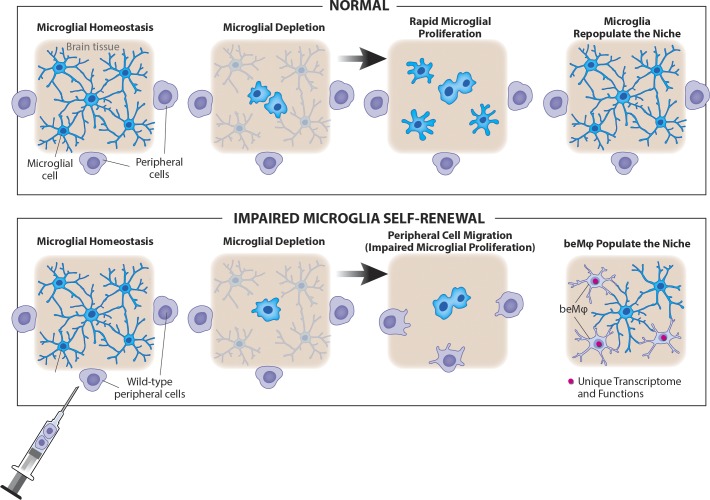
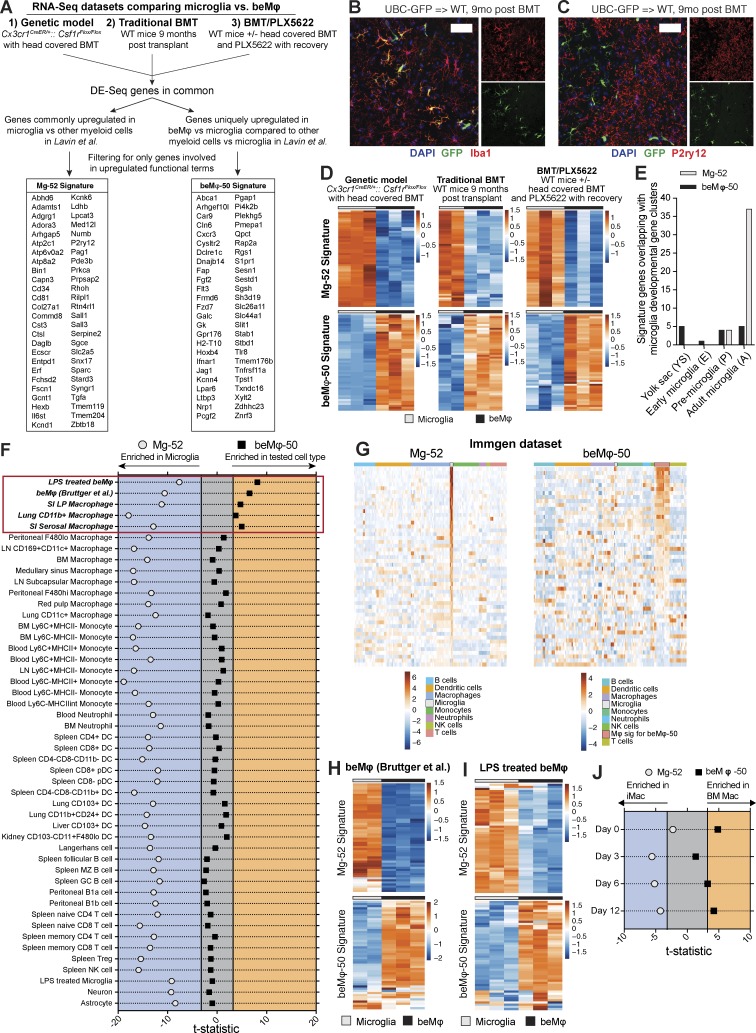
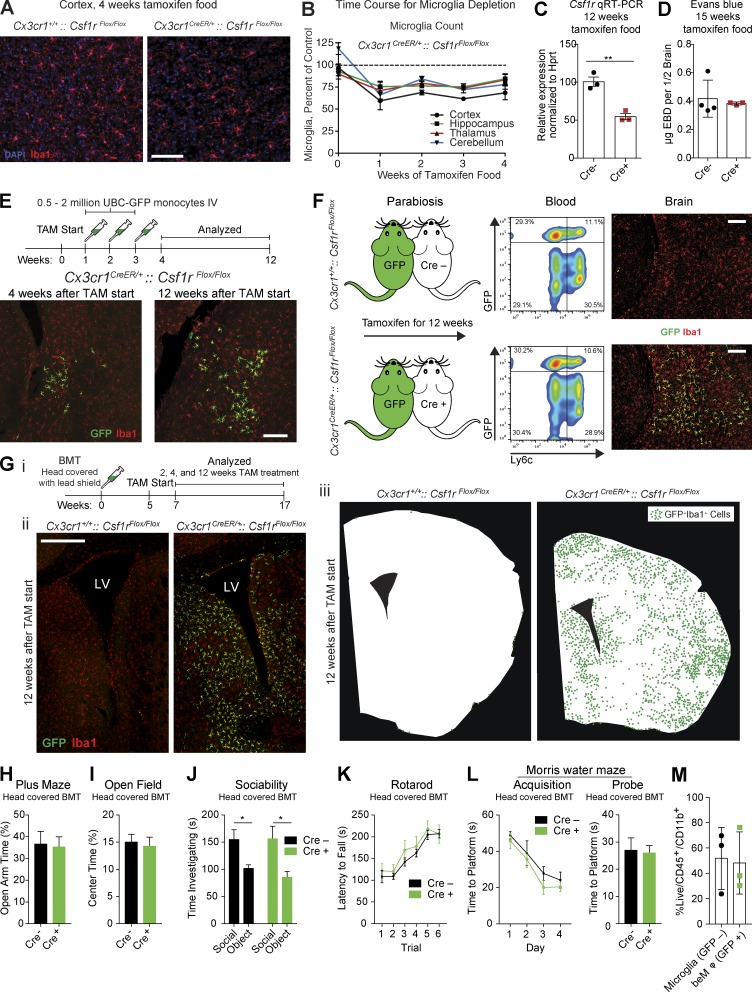
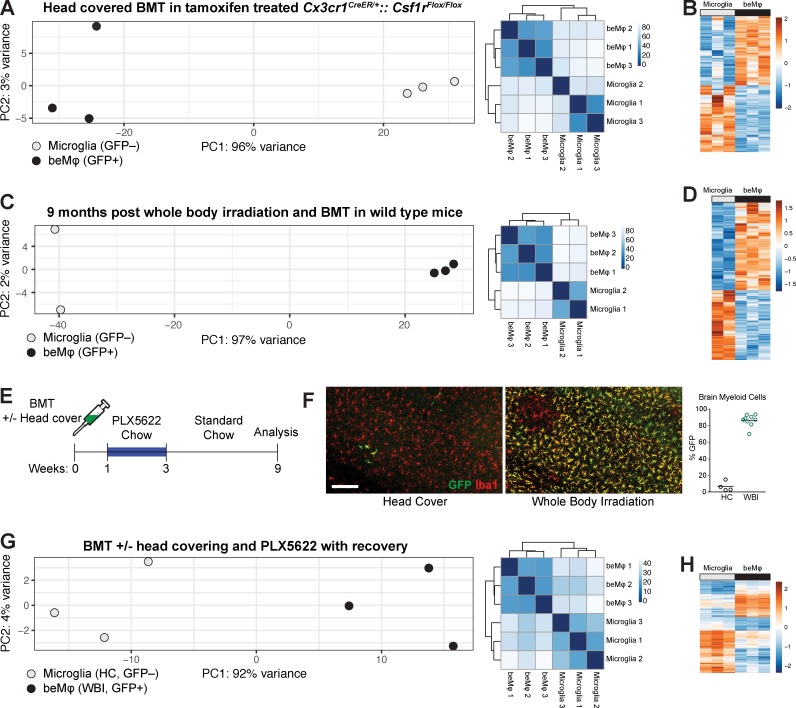
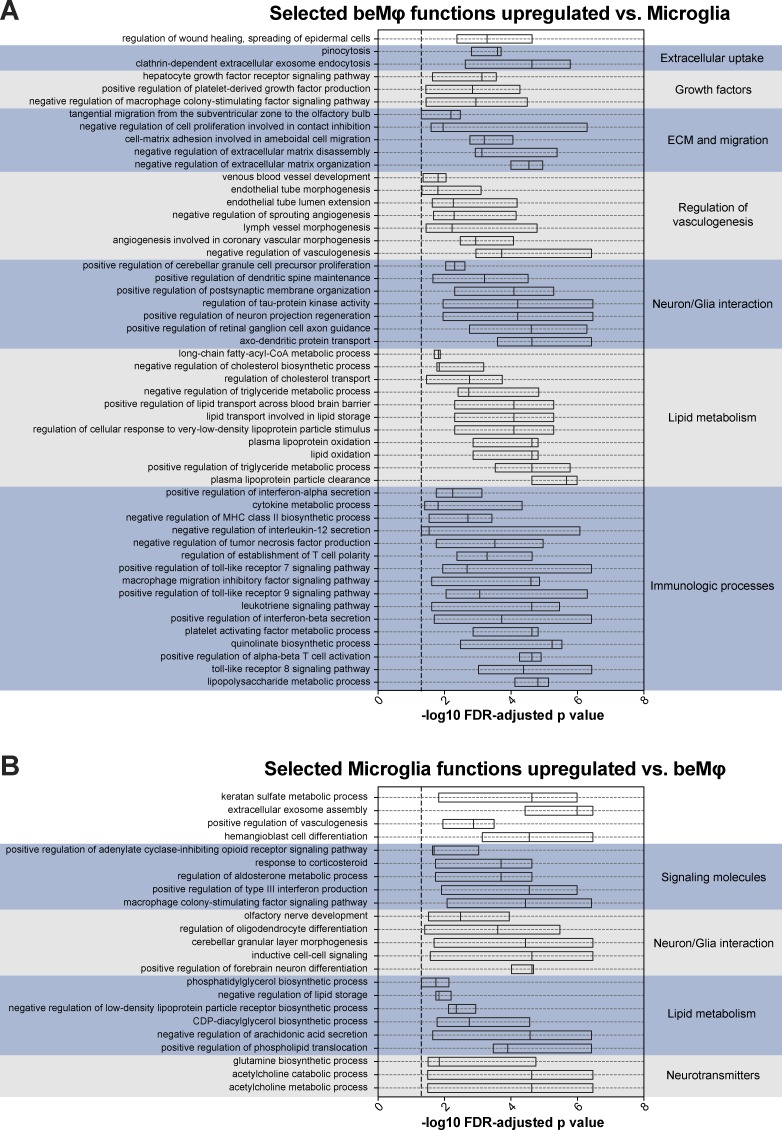
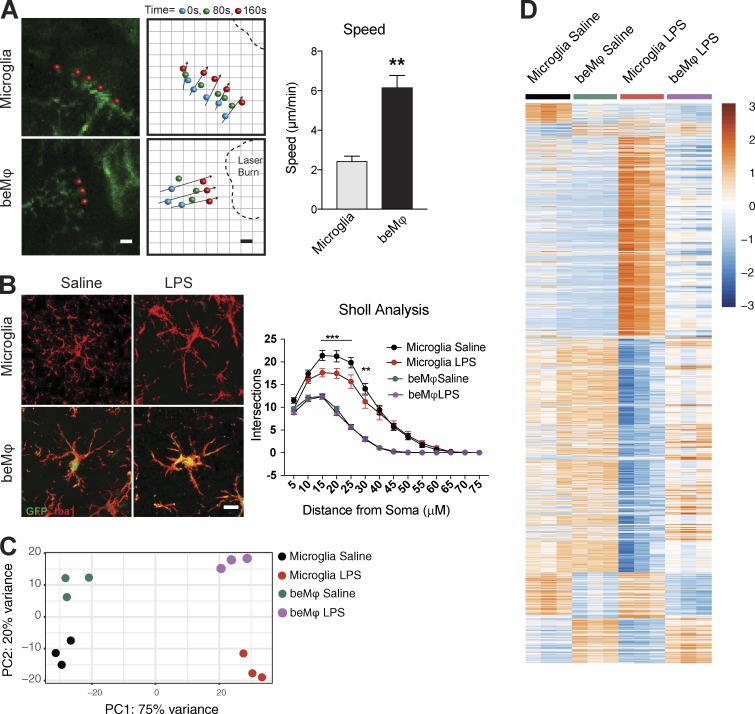
Peripherally derived macrophages infiltrate the brain after bone marrow transplantation and during central nervous system (CNS) inflammation. It was initially suggested that these engrafting cells were newly derived microglia and that irradiation was essential for engraftment to occur. However, it remains unclear whether brain-engrafting macrophages (beMφs) acquire a unique phenotype in the brain, whether long-term engraftment may occur without irradiation, and whether brain function is affected by the engrafted cells. In this study, we demonstrate that chronic, partial microglia depletion is sufficient for beMφs to populate the niche and that the presence of beMφs does not alter behavior. Furthermore, beMφs maintain a unique functional and transcriptional identity as compared with microglia. Overall, this study establishes beMφs as a unique CNS cell type and demonstrates that therapeutic engraftment of beMφs may be possible with irradiation-free conditioning regimens.
骨髓移植后和中枢神经系统 (CNS) 炎症期间,外周衍生的巨噬细胞浸润大脑。最初有人提出,这些植入细胞是新衍生的小胶质细胞,辐照对于植入的发生是必不可少的。然而,目前尚不清楚脑定植巨噬细胞 (beMφ) 是否在大脑中获得独特的表型,是否可以在不进行辐照的情况下进行长期定植,以及植入细胞是否会影响大脑功能。在这项研究中,我们证明慢性、部分小胶质细胞耗竭足以使 beMφ 定植于该部位,并且 beMφ 的存在不会改变行为。此外,与小胶质细胞相比,beMφ 保持独特的功能和转录特征。总体而言,这项研究确立了 beMφ 作为一种独特的中枢神经系统细胞类型,并表明无需辐照的条件性移植方案可能实现 beMφ 的治疗性植入。