David Charles J, Massagué Joan
Cancer Biology and Genetics Program, Memorial Sloan Kettering Cancer Center, New York, NY, USA.
Tsinghua University School of Medicine, Department of Basic Sciences, Beijing, China.
Nat Rev Mol Cell Biol. 2018 Jul;19(7):419-435. doi: 10.1038/s41580-018-0007-0.
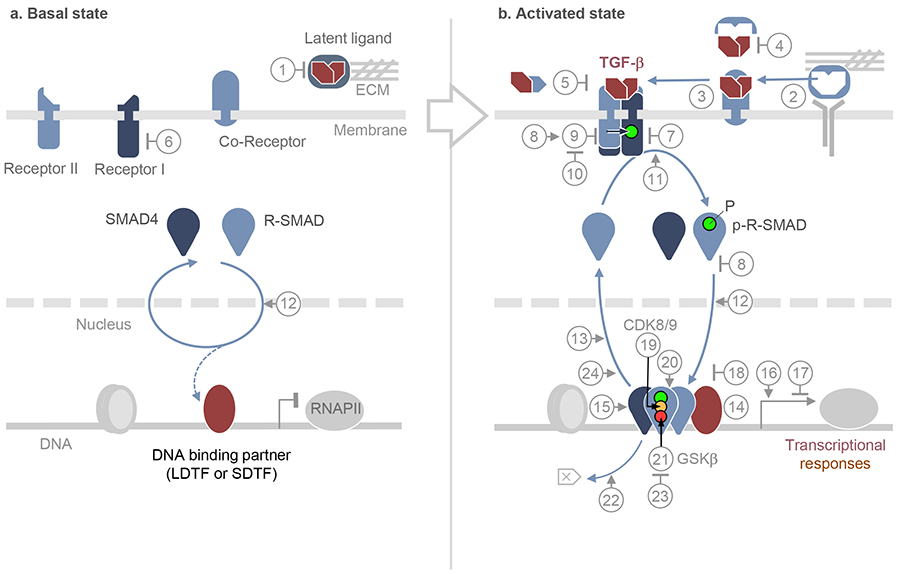
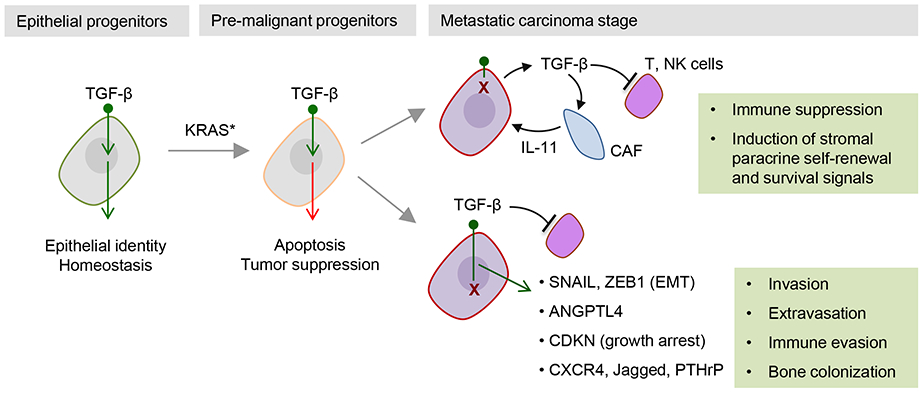
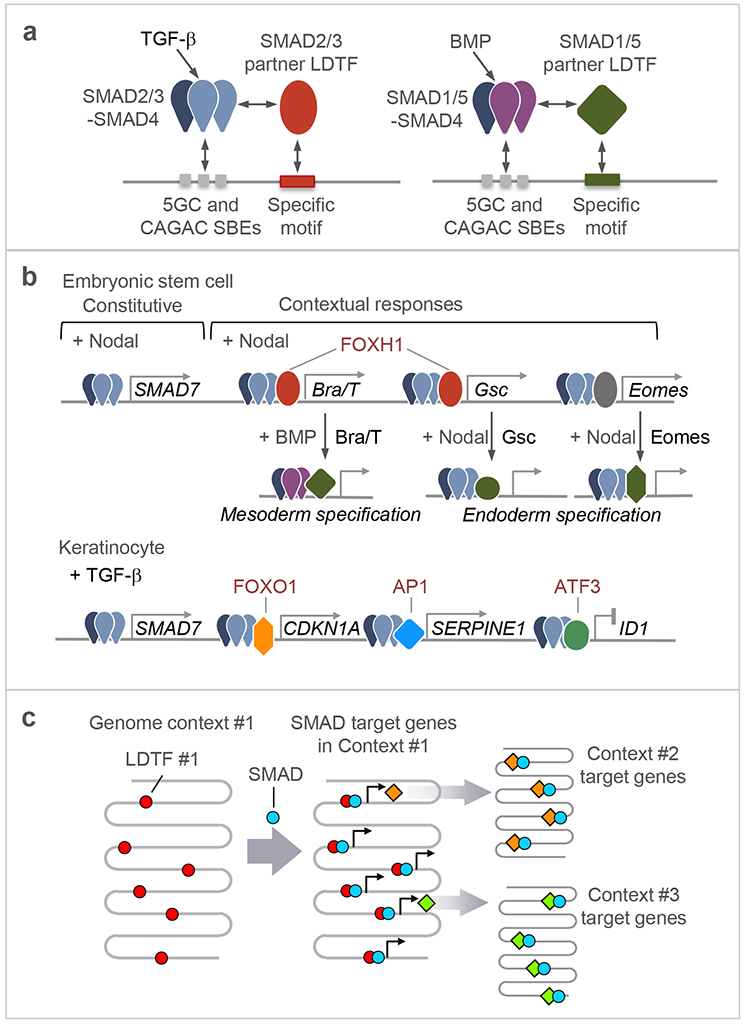
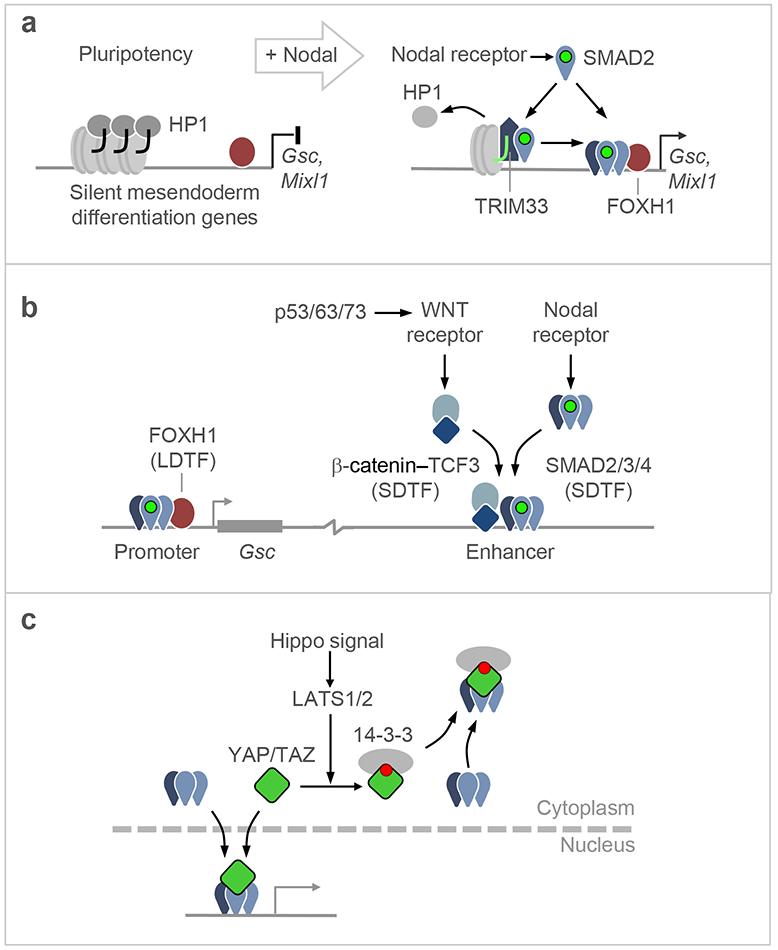
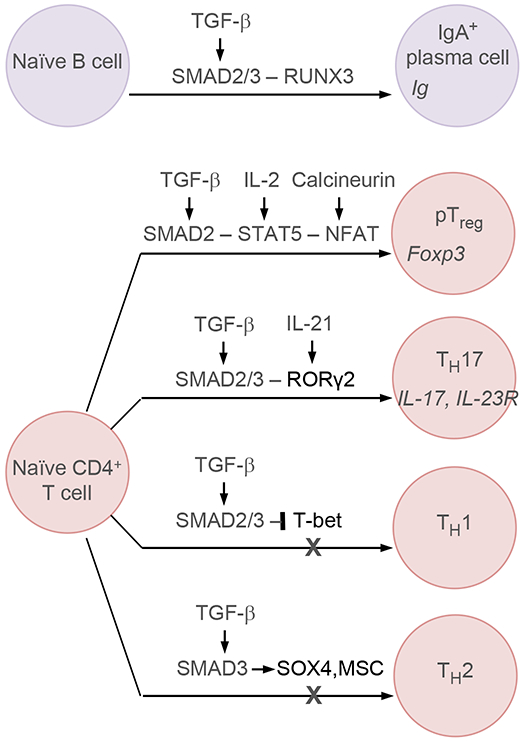
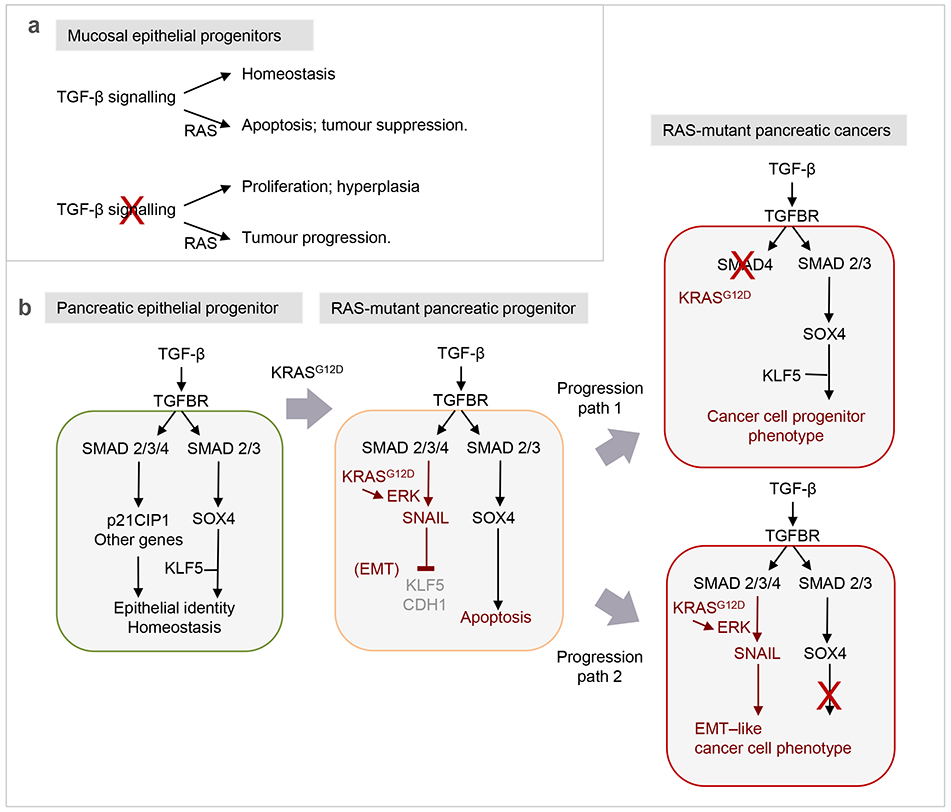
Few cell signals match the impact of the transforming growth factor-β (TGFβ) family in metazoan biology. TGFβ cytokines regulate cell fate decisions during development, tissue homeostasis and regeneration, and are major players in tumorigenesis, fibrotic disorders, immune malfunctions and various congenital diseases. The effects of the TGFβ family are mediated by a combinatorial set of ligands and receptors and by a common set of receptor-activated mothers against decapentaplegic homologue (SMAD) transcription factors, yet the effects can differ dramatically depending on the cell type and the conditions. Recent progress has illuminated a model of TGFβ action in which SMADs bind genome-wide in partnership with lineage-determining transcription factors and additionally integrate inputs from other pathways and the chromatin to trigger specific cellular responses. These new insights clarify the operating logic of the TGFβ pathway in physiology and disease.
在多细胞动物生物学中,很少有细胞信号能与转化生长因子-β(TGFβ)家族的影响相匹配。TGFβ细胞因子在发育、组织稳态和再生过程中调节细胞命运决定,并且是肿瘤发生、纤维化疾病、免疫功能障碍和各种先天性疾病的主要参与者。TGFβ家族的作用由一组组合的配体和受体以及一组共同的受体激活的抗五体不全同源物(SMAD)转录因子介导,但其作用会因细胞类型和条件的不同而有显著差异。最近的进展揭示了一种TGFβ作用模型,其中SMADs与决定细胞谱系的转录因子协同全基因组结合,并额外整合来自其他途径和染色质的输入信息,以触发特定的细胞反应。这些新见解阐明了TGFβ信号通路在生理和疾病中的运作逻辑。