Kulason Kay, Nouchi Rui, Hoshikawa Yasushi, Noda Masafumi, Okada Yoshinori, Kawashima Ryuta
Department of Advanced Brain Science, Institute of Development, Aging and Cancer, Tohoku University, Sendai, Japan.
New York Institute of Technology College of Osteopathic Medicine, New York, NY, United States.
Front Aging Neurosci. 2018 Mar 28;10:68. doi: 10.3389/fnagi.2018.00068. eCollection 2018.
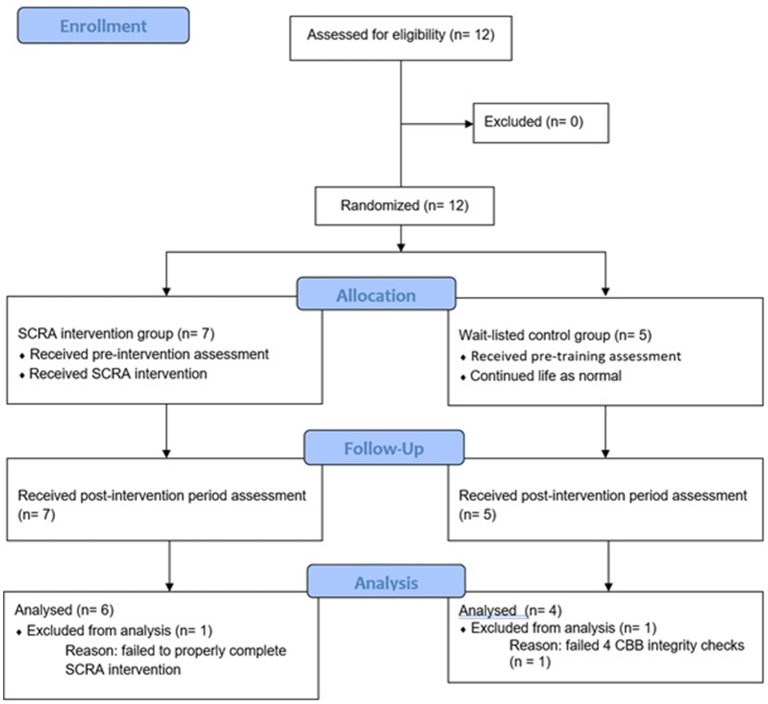
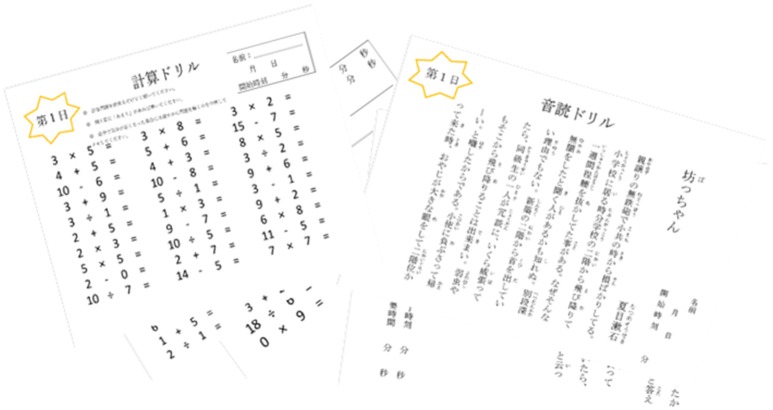
There has been little research conducted regarding cognitive treatments for the elderly postsurgical population. Patients aged ≥60 years have an increased risk of postoperative cognitive decline, a condition in which cognitive functions are negatively affected. This cognitive decline can lead to a decline in quality of life. In order to maintain a high quality of life, the elderly postsurgical population may benefit from treatment to maintain and/or improve their cognitive functions. This pilot study investigates the effect of simple calculation and reading aloud (SCRA) cognitive training in elderly Japanese postsurgical patients. Elderly patients undergoing non-cardiovascular thoracic surgery under general anesthesia were recruited ( = 12). Subjects were randomly divided into two groups-one that receives 12 weeks of SCRA intervention, and a waitlisted control group. Before and after the intervention, we measured cognitive function [Mini-Mental Status Exam-Japanese (MMSE-J), Frontal Assessment Battery (FAB), computerized Cogstate Brief Battery (CBB)] and emotional state [General Health Questionnaire-12 (GHQ-12), Geriatric Depression Scale (GDS), Quality of Life Scale-5 (QOL-5)]. Group difference analyses using ANCOVA with permutation test showed that the intervention SCRA group had a significant improvement in FAB motor programming sub-score, GDS, and QOL-5 compared to the control group. Within-group analyses using Wilcoxon signed-rank test to compare baseline and follow-up showed that the SCRA intervention group total FAB scores, FAB motor programming sub-scores, and QOL-5 scores were significantly improved. This pilot study showed that there are important implications for the beneficial effects of SCRA intervention on cognitive function and emotional state in the postoperative elderly population; however, further investigations are necessary to reach any conclusions. This study was registered with the University Hospital Medical Information Network (UMIN) Clinical Trial Registry (UMIN000019832).
关于老年术后人群认知治疗的研究很少。60岁及以上的患者术后认知功能下降的风险增加,即认知功能受到负面影响的一种情况。这种认知功能下降会导致生活质量下降。为了维持高质量的生活,老年术后人群可能会从维持和/或改善其认知功能的治疗中受益。这项初步研究调查了简单计算和大声朗读(SCRA)认知训练对日本老年术后患者的影响。招募了在全身麻醉下接受非心血管胸外科手术的老年患者(n = 12)。受试者被随机分为两组——一组接受12周的SCRA干预,另一组为候补对照组。在干预前后,我们测量了认知功能[简易精神状态检查表-日语版(MMSE-J)、额叶评估量表(FAB)、计算机化Cogstate简要电池测试(CBB)]和情绪状态[一般健康问卷-12项(GHQ-12)、老年抑郁量表(GDS)、生活质量量表-5项(QOL-5)]。使用协方差分析和排列检验进行的组间差异分析表明,与对照组相比,干预SCRA组在FAB运动编程子评分、GDS和QOL-5方面有显著改善。使用Wilcoxon符号秩检验进行组内分析以比较基线和随访情况,结果显示SCRA干预组的FAB总分、FAB运动编程子评分和QOL-5评分有显著改善。这项初步研究表明,SCRA干预对术后老年人群的认知功能和情绪状态有有益影响,具有重要意义;然而,要得出任何结论还需要进一步研究。本研究已在大学医院医学信息网络(UMIN)临床试验注册中心注册(UMIN000019832)。