Lepori Nicola, Zand Ladan, Sethi Sanjeev, Fernandez-Juarez Gema, Fervenza Fernando C
Division of Nephrology and Hypertension, Mayo Clinic, Rochester, MN, USA.
Division of Nephrology and Dialysis, Azienda Ospedaliera G. Brotzu, Cagliari, Italy.
Clin Kidney J. 2018 Apr;11(2):179-190. doi: 10.1093/ckj/sfx143. Epub 2018 Jan 9.
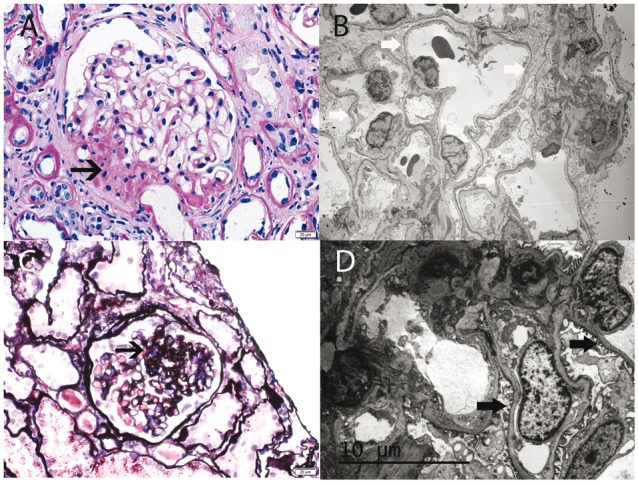
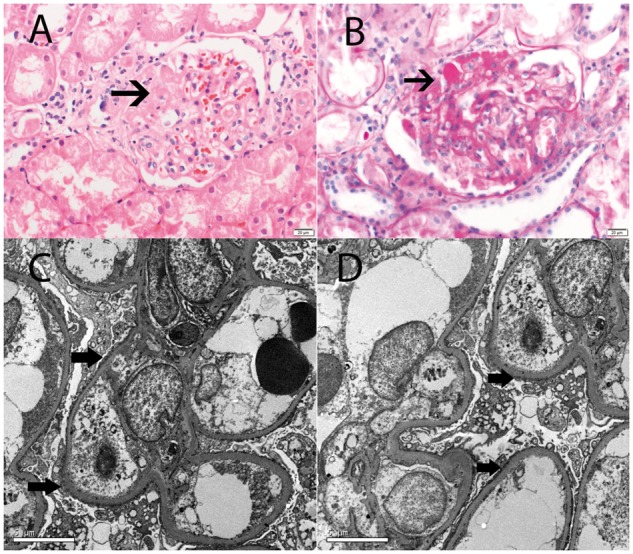
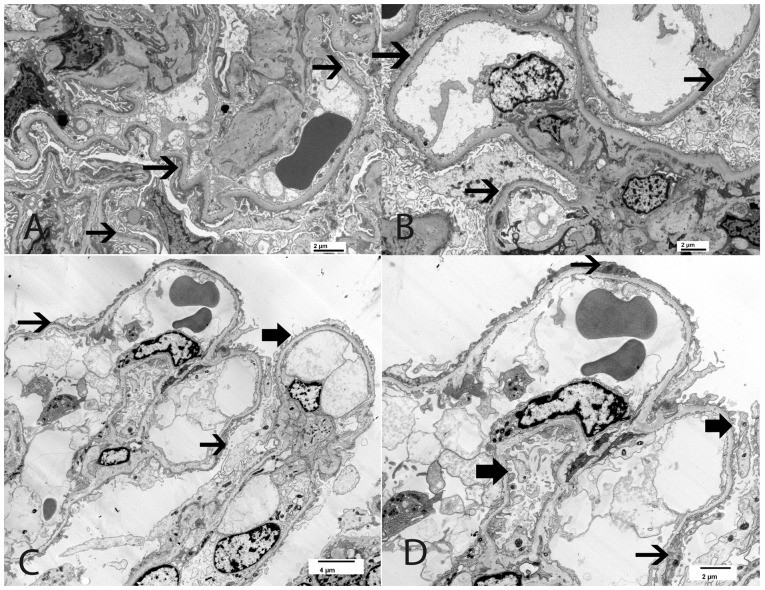
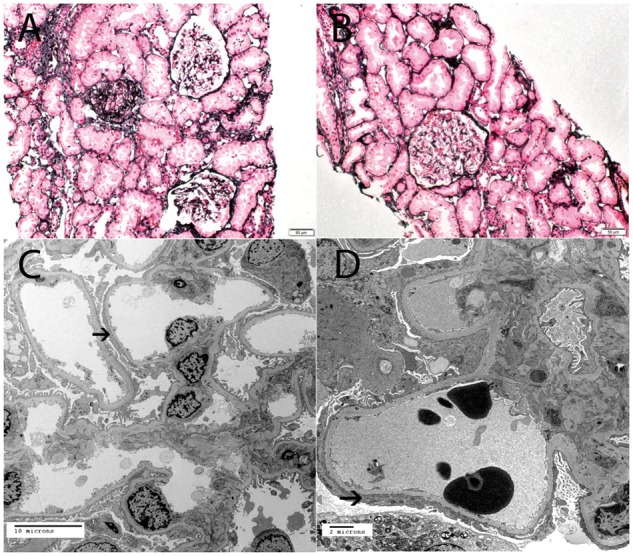
Focal segmental glomerulosclerosis (FSGS) is a histologic lesion resulting from a variety of pathogenic processes that cause injury to the podocytes. Recently, mutations in more than 50 genes expressed in podocyte or glomerular basement membrane were identified as causing genetic forms of FSGS, the majority of which are characterized by onset in childhood. The prevalence of adult-onset genetic FSGS is likely to be underestimated and its clinical and histological features have not been clearly described. A small number of studies of adult-onset genetic FSGS showed that there is heterogeneity in clinical and histological findings, with a presentation ranging from sub-nephrotic proteinuria to full nephrotic syndrome. A careful evaluation of adult-onset FSGS that do not have typical features of primary or secondary FSGS (familial cases, resistance to immunosuppression and absence of evident cause of secondary FSGS) should include a genetic evaluation. Indeed, recognizing genetic forms of adult-onset FSGS is of the utmost importance, given that this diagnosis will have major implications on treatment strategies, selecting of living-related kidney donor and renal transplantation success.
局灶节段性肾小球硬化(FSGS)是一种组织学病变,由多种导致足细胞损伤的致病过程引起。最近,在足细胞或肾小球基底膜中表达的50多个基因的突变被确定为导致FSGS的遗传形式,其中大多数以儿童期发病为特征。成人发病的遗传型FSGS的患病率可能被低估,其临床和组织学特征尚未得到明确描述。少数关于成人发病的遗传型FSGS的研究表明,临床和组织学表现存在异质性,表现范围从亚肾病性蛋白尿到完全肾病综合征。对不具有原发性或继发性FSGS典型特征(家族性病例、对免疫抑制耐药以及无明显继发性FSGS病因)的成人发病FSGS进行仔细评估时,应包括基因评估。事实上,认识到成人发病的遗传型FSGS非常重要,因为这一诊断将对治疗策略、选择活体亲属肾供体以及肾移植成功率产生重大影响。