a Institute for Molecular Bioscience, The University of Queensland , Brisbane , Australia.
b Australian Institute for Bioengineering and Nanotechnology, The University of Queensland , QLD , Australia.
MAbs. 2018 May/Jun;10(4):596-606. doi: 10.1080/19420862.2018.1451288. Epub 2018 Apr 16.
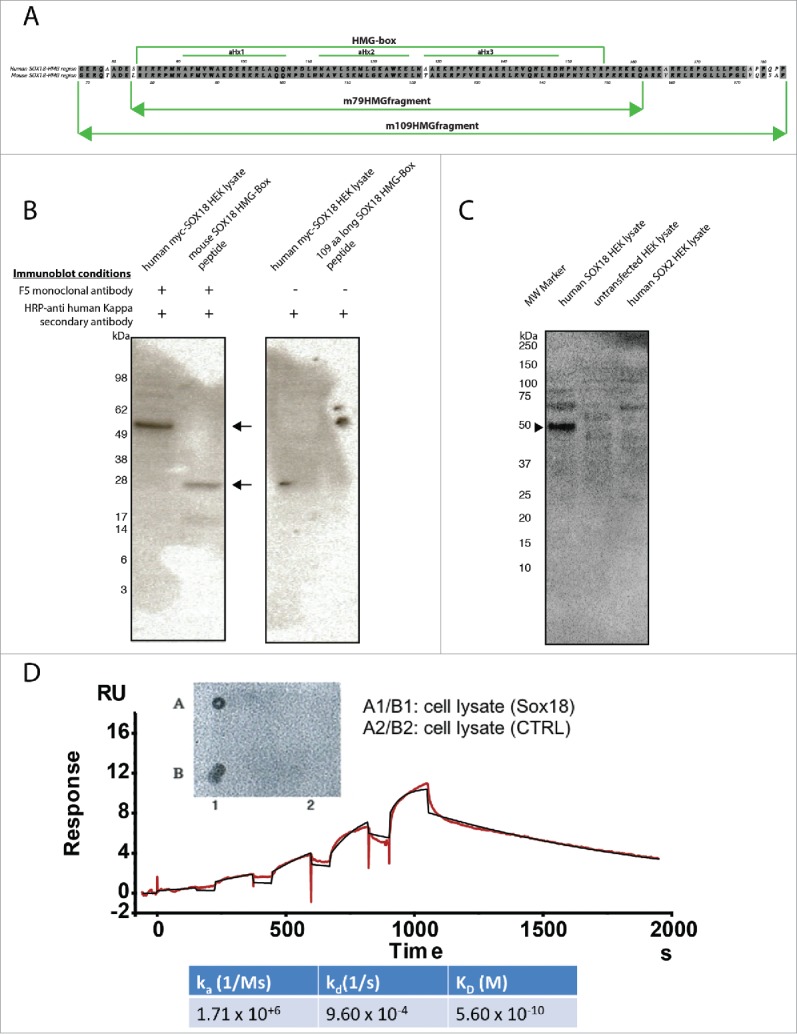
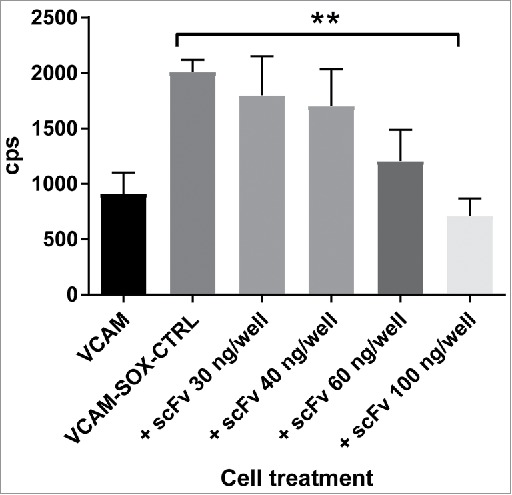
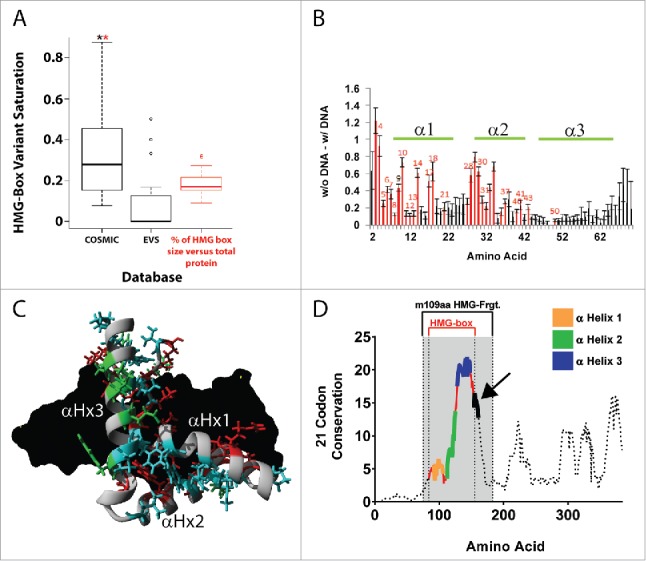
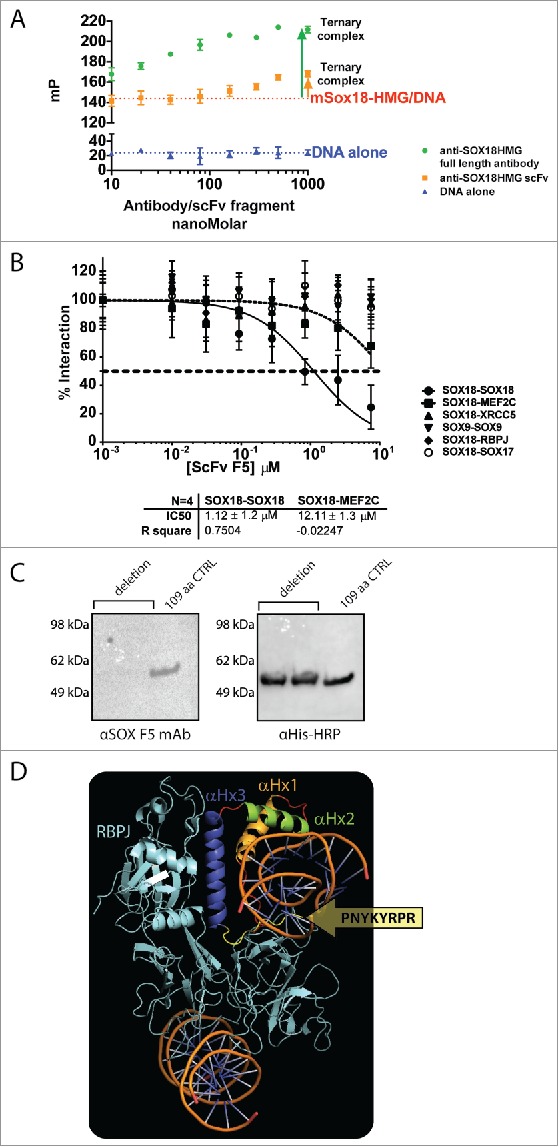
Antibodies are routinely used to study the activity of transcription factors, using various in vitro and in vivo approaches such as electrophoretic mobility shift assay, enzyme-linked immunosorbent assay, genome-wide method analysis coupled with next generation sequencing, or mass spectrometry. More recently, a new application for antibodies has emerged as crystallisation scaffolds for difficult to crystallise proteins, such as transcription factors. Only in a few rare cases, antibodies have been used to modulate the activity of transcription factors, and there is a real gap in our knowledge on how to efficiently design antibodies to interfere with transcription. The molecular function of transcription factors is underpinned by complex networks of protein-protein interaction and in theory, setting aside intra-cellular delivery challenges, developing antibody-based approaches to modulate transcription factor activity appears a viable option. Here, we demonstrate that antibodies or an antibody single-chain variable region fragments are powerful molecular tools to unravel complex protein-DNA and protein-protein binding mechanisms. In this study, we focus on the molecular mode of action of the transcription factor SOX18, a key modulator of endothelial cell fate during development, as well as an attractive target in certain pathophysiological conditions such as solid cancer metastasis. The engineered antibody we designed inhibits SOX18 transcriptional activity, by interfering specifically with an 8-amino-acid motif in the C-terminal region directly adjacent to α-Helix 3 of SOX18 HMG domain, thereby disrupting protein-protein interaction. This new approach establishes a framework to guide the study of transcription factors interactomes using antibodies as molecular handles.
抗体通常用于研究转录因子的活性,采用各种体外和体内方法,如电泳迁移率变动分析、酶联免疫吸附测定、与下一代测序相结合的全基因组方法分析,或质谱分析。最近,抗体作为难以结晶的蛋白质(如转录因子)的结晶支架,出现了一种新的应用。只有在极少数情况下,抗体被用于调节转录因子的活性,而我们对如何有效地设计抗体来干扰转录的知识还存在真正的差距。转录因子的分子功能是由蛋白质-蛋白质相互作用的复杂网络支撑的,理论上,抛开细胞内递送来谈,开发基于抗体的方法来调节转录因子的活性似乎是一种可行的选择。在这里,我们证明了抗体或抗体单链可变区片段是揭示复杂蛋白-DNA 和蛋白-蛋白结合机制的有力分子工具。在这项研究中,我们专注于转录因子 SOX18 的分子作用模式,SOX18 是发育过程中内皮细胞命运的关键调节因子,也是某些病理生理条件(如实体瘤转移)的有吸引力的靶点。我们设计的工程抗体通过特异性干扰 SOX18 HMG 结构域中紧邻 α-螺旋 3 的 C 端区域的 8 个氨基酸基序,抑制 SOX18 的转录活性,从而破坏蛋白-蛋白相互作用。这种新方法为使用抗体作为分子接头研究转录因子互作组建立了一个框架。