Voda Ana Iolanda, Bostan Ionel
Department of Interdisciplinary Research-Humanities and Social Sciences, Alexandru Ioan Cuza University of Iasi, 700107 Iasi, Romania.
Faculty of Law and Administrative Sciences, "Stefan cel Mare" Univesity, 720229 Suceava, Romania.
Cancers (Basel). 2018 Apr 12;10(4):117. doi: 10.3390/cancers10040117.
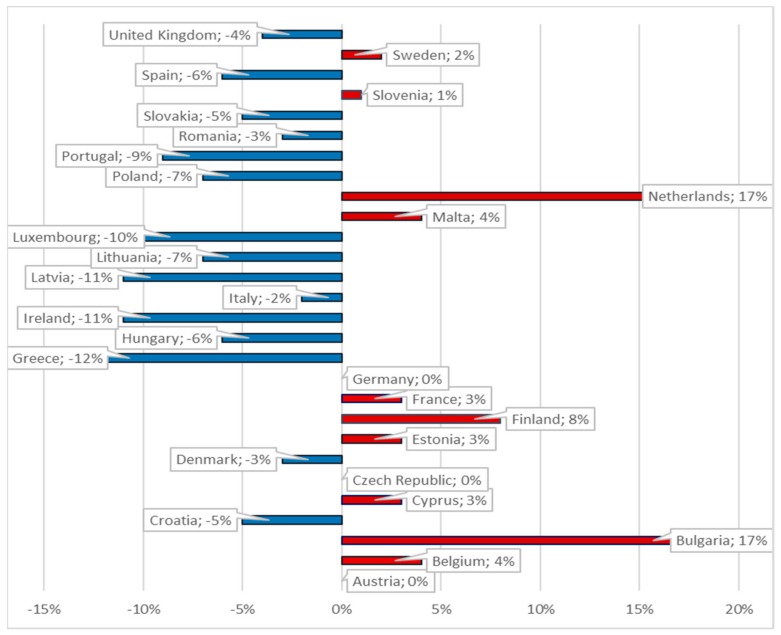
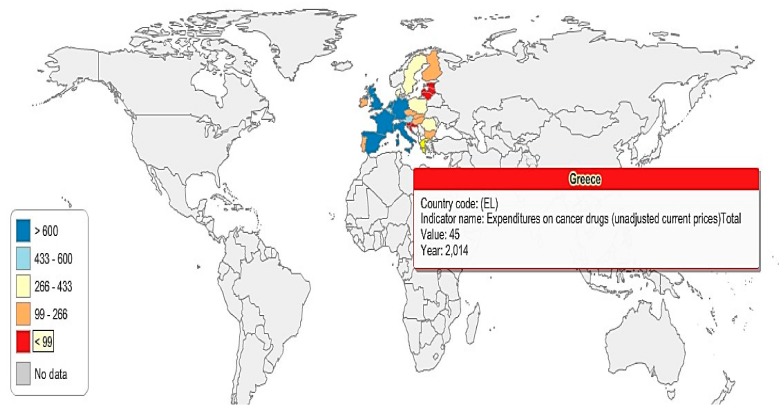
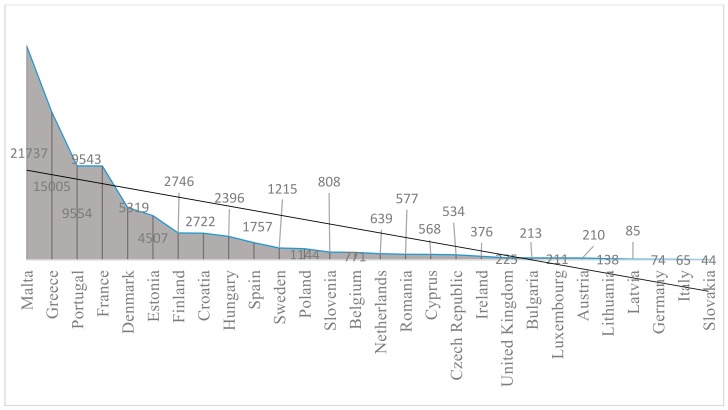
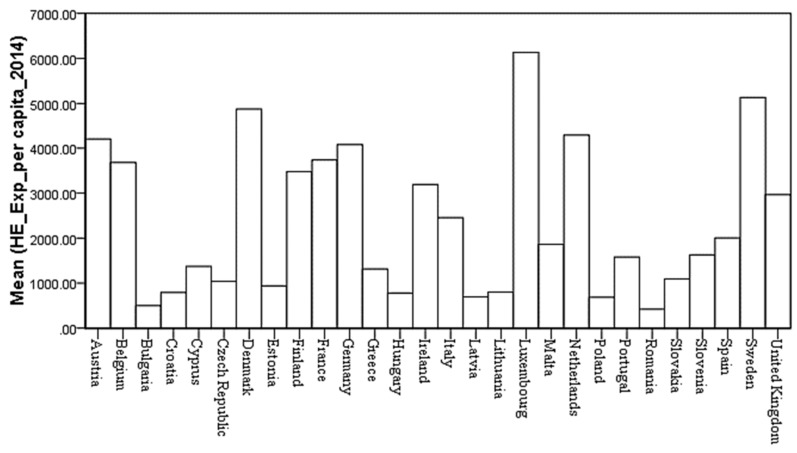
Expenditure and financing aspects in the healthcare system in general, and in cancer care in particular, are subjects of increasing concern to the medical community. Nowadays, it is imperative for the healthcare system to respond to the challenge of universal access to quality healthcare, by measuring the financial resources within the healthcare sector. The purpose of this review is to highlight the major gaps in the healthcare expenditures for all types of care, as well as on cancer and anti-cancer drugs across 28 European Union member states. The indicators taken into account are divided into two major groups: (1) healthcare expenditures for all types of care, and (2) healthcare expenditures on cancer and anti-cancer drugs. The programs used for our analysis are SPSS Statistics V20.0 (IBM Corporation, Armonk, NY, USA) and Stat World Explorer. The overall picture confirms that there are considerable disparities between the 28 countries in relation to their expenditures on health. The trend in public expenditures for all types of care, compared to the share of healthcare expenditures as a percentage of the GDP, shows the increase of health expenses between 2010 and 2014, but a lower rise compared to the total GDP increase. Healthcare expenditure on cancer (%THE) is rather low, despite the high cost associated with anti-cancer drugs. New treatments and drugs development will be increasingly difficult to achieve if the share devoted to cancer does not increase, and the lack of funds may act as a barrier in receiving high-quality care.
总体而言,医疗保健系统中的支出和融资方面,尤其是癌症护理方面,日益受到医学界的关注。如今,医疗保健系统必须通过衡量医疗保健部门的财政资源,应对普及优质医疗保健的挑战。本综述的目的是突出28个欧盟成员国在各类护理以及癌症和抗癌药物的医疗保健支出方面的主要差距。所考虑的指标分为两大类:(1)各类护理的医疗保健支出,以及(2)癌症和抗癌药物的医疗保健支出。我们用于分析的程序是SPSS Statistics V20.0(美国纽约州阿蒙克市IBM公司)和Stat World Explorer。总体情况证实,这28个国家在卫生支出方面存在相当大的差异。与医疗保健支出占国内生产总值的百分比相比,各类护理的公共支出趋势表明,2010年至2014年期间医疗费用有所增加,但与国内生产总值的总体增长相比增幅较小。尽管抗癌药物成本高昂,但癌症医疗保健支出(占总医疗支出的百分比)相当低。如果用于癌症的份额不增加,新的治疗方法和药物研发将越来越难以实现,而资金短缺可能成为获得高质量护理的障碍。