Institute of Biochemistry and Experimental Oncology, First Faculty of Medicine, Charles University, Prague, Czech Republic.
Centre for Medical Genetics and Reproductive Medicine, Gennet, Prague, Czech Republic.
PLoS One. 2018 Apr 12;13(4):e0195761. doi: 10.1371/journal.pone.0195761. eCollection 2018.
Carriers of mutations in hereditary cancer predisposition genes represent a small but clinically important subgroup of oncology patients. The identification of causal germline mutations determines follow-up management, treatment options and genetic counselling in patients' families. Targeted next-generation sequencing-based analyses using cancer-specific panels in high-risk individuals have been rapidly adopted by diagnostic laboratories. While the use of diagnosis-specific panels is straightforward in typical cases, individuals with unusual phenotypes from families with overlapping criteria require multiple panel testing. Moreover, narrow gene panels are limited by our currently incomplete knowledge about possible genetic dispositions.
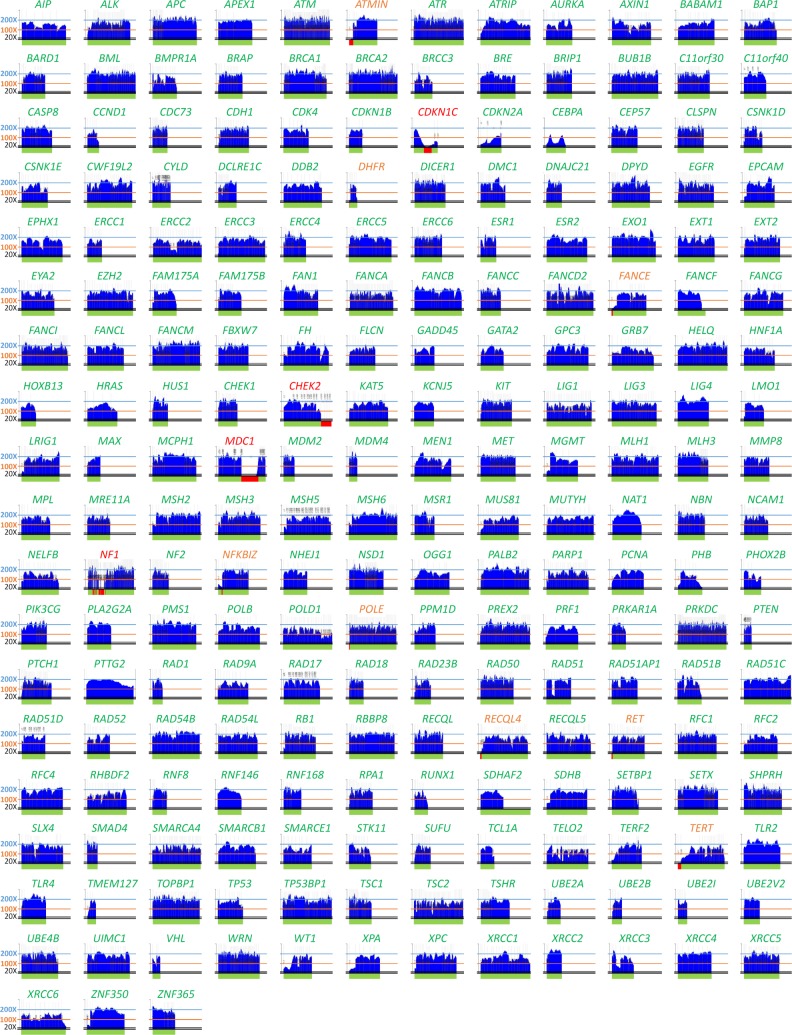
We have designed a multi-gene panel called CZECANCA (CZEch CAncer paNel for Clinical Application) for a sequencing analysis of 219 cancer-susceptibility and candidate predisposition genes associated with frequent hereditary cancers.
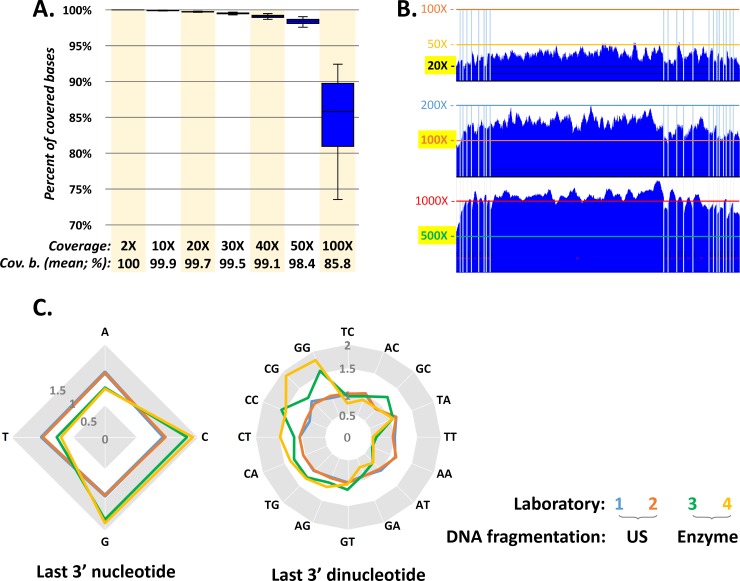
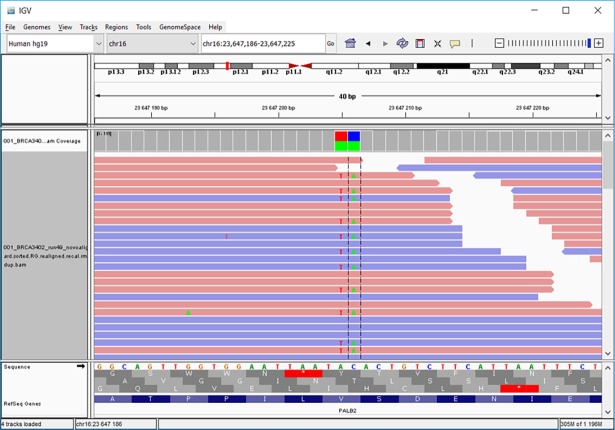
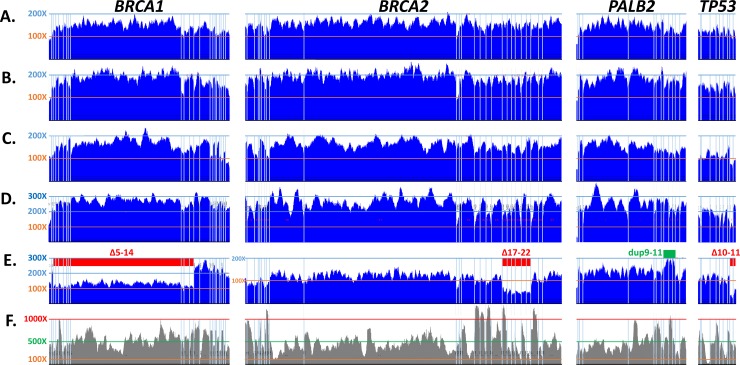
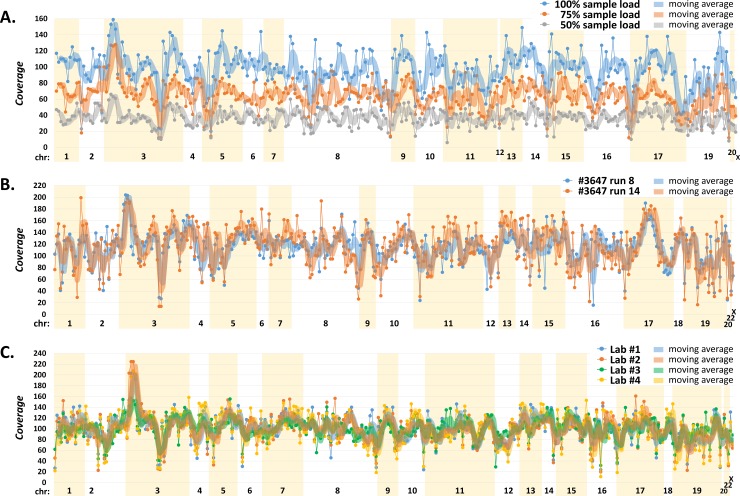
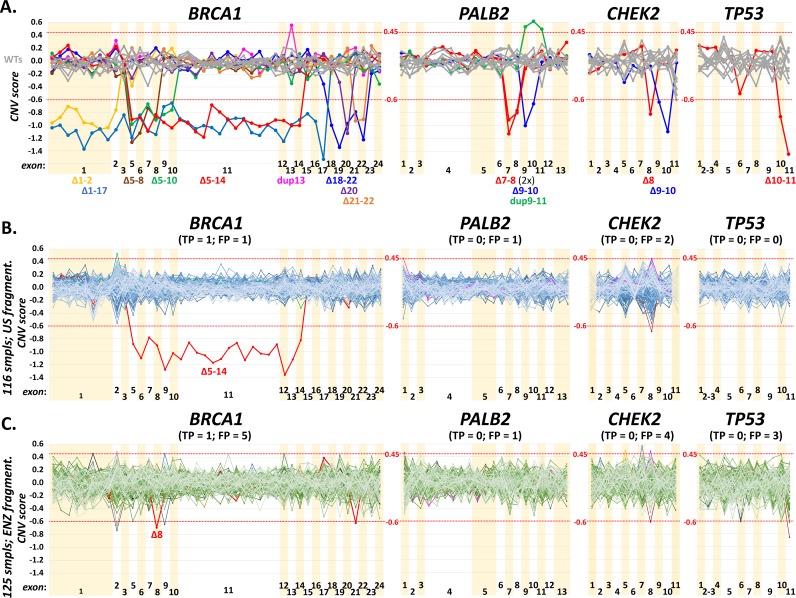
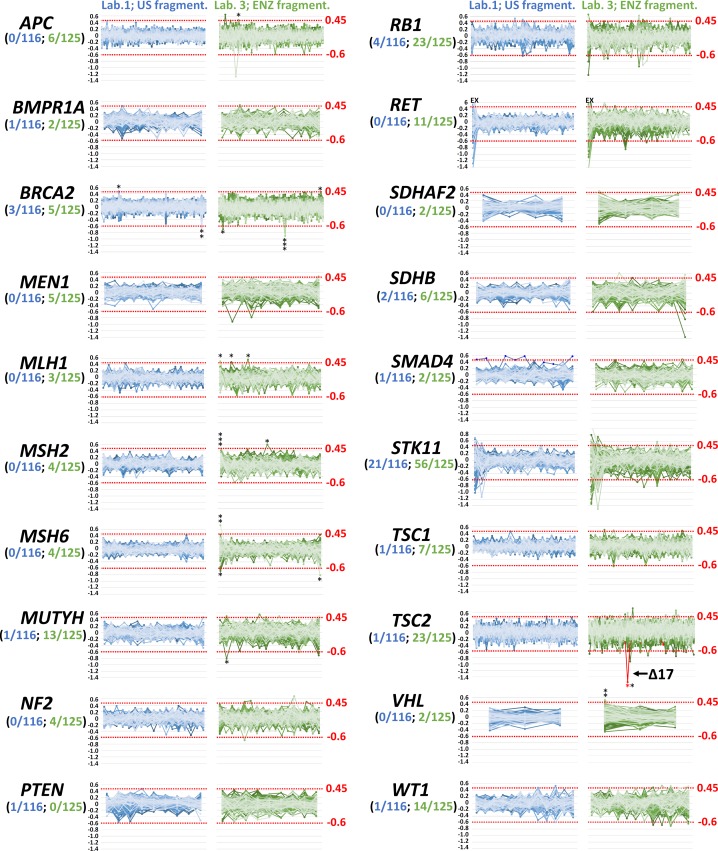
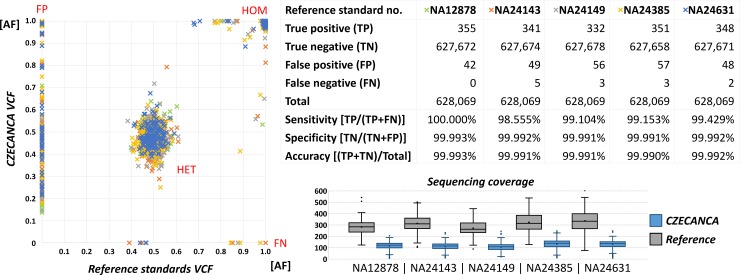
The bioanalytical and bioinformatics pipeline was validated on a set of internal and commercially available DNA controls showing high coverage uniformity, sensitivity, specificity and accuracy. The panel demonstrates a reliable detection of both single nucleotide and copy number variants. Inter-laboratory, intra- and inter-run replicates confirmed the robustness of our approach.
The objective of CZECANCA is a nationwide consolidation of cancer-predisposition genetic testing across various clinical indications with savings in costs, human labor and turnaround time. Moreover, the unified diagnostics will enable the integration and analysis of genotypes with associated phenotypes in a national database improving the clinical interpretation of variants.
遗传性癌症易感性基因的突变携带者是肿瘤患者中一个人数虽少但具有重要临床意义的亚组。因果种系突变的鉴定决定了患者家族的后续管理、治疗选择和遗传咨询。针对高危人群使用基于癌症特异性面板的靶向下一代测序分析已被诊断实验室迅速采用。虽然在典型病例中使用诊断特异性面板很简单,但具有重叠标准家族中不寻常表型的个体需要进行多个面板测试。此外,窄基因面板受到我们目前对可能遗传倾向的了解有限的限制。
我们设计了一个名为 CZECANCA(捷克癌症临床应用基因面板)的多基因面板,用于对与常见遗传性癌症相关的 219 个癌症易感性和候选易感性基因进行测序分析。
生物分析和生物信息学管道在内部分子和商业上可获得的 DNA 对照品集上进行了验证,显示出高覆盖率均匀性、灵敏度、特异性和准确性。该面板可靠地检测到单核苷酸和拷贝数变异。实验室间、内部和运行内重复证实了我们方法的稳健性。
CZECANCA 的目标是在各种临床适应症下进行全国性的癌症易感性基因检测整合,从而节省成本、人力和周转时间。此外,统一的诊断将使基因型与相关表型在国家数据库中的整合和分析成为可能,从而改善变异的临床解释。