Chen Xue-Dong, Wang Yong-Feng, Wang Yu-Long, Li Qiu-Ying, Ma Huan-Yu, Wang Lu, Sima Yang-Hu, Xu Shi-Qing
Department of Applied Biology, School of Biology and Basic Medical Sciences, Medical College, Soochow University, Suzhou, China.
National Engineering Laboratory for Modern Silk (NESER), Institute of Agricultural Biotechnology and Ecology (IABE), Soochow University, Suzhou, China.
Front Physiol. 2018 Mar 29;9:302. doi: 10.3389/fphys.2018.00302. eCollection 2018.
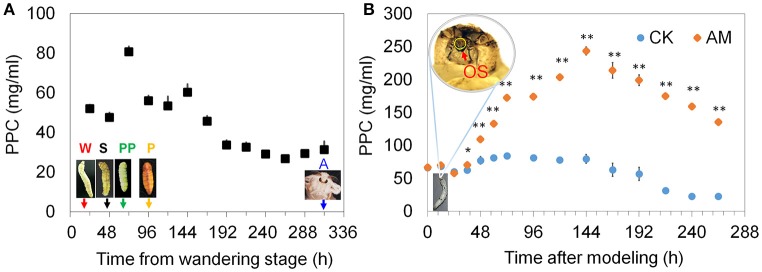
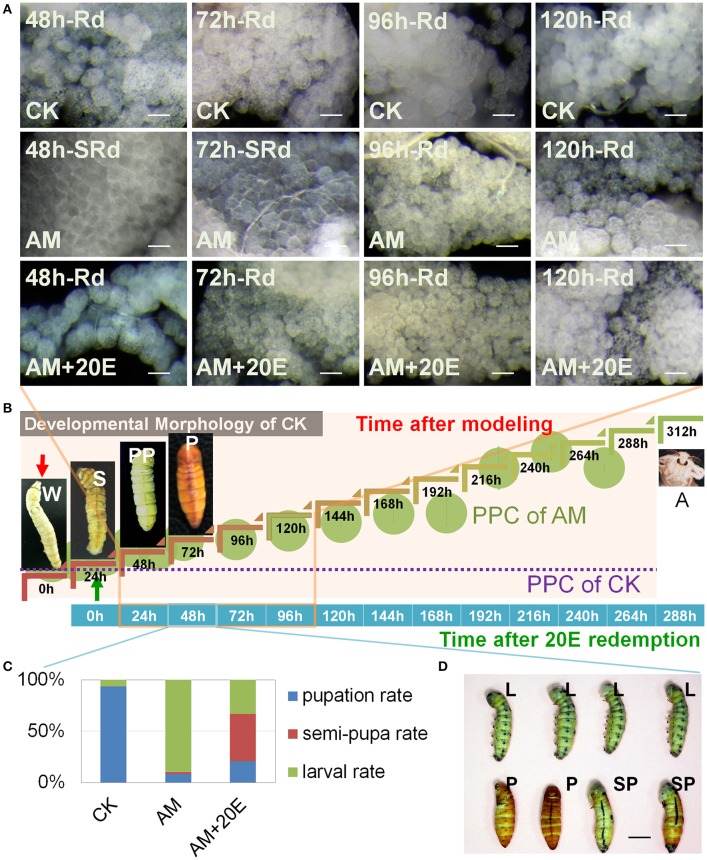
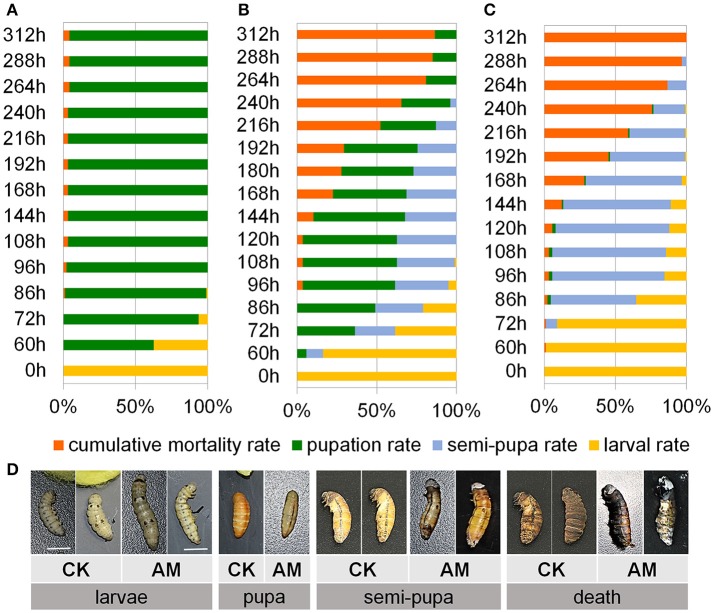
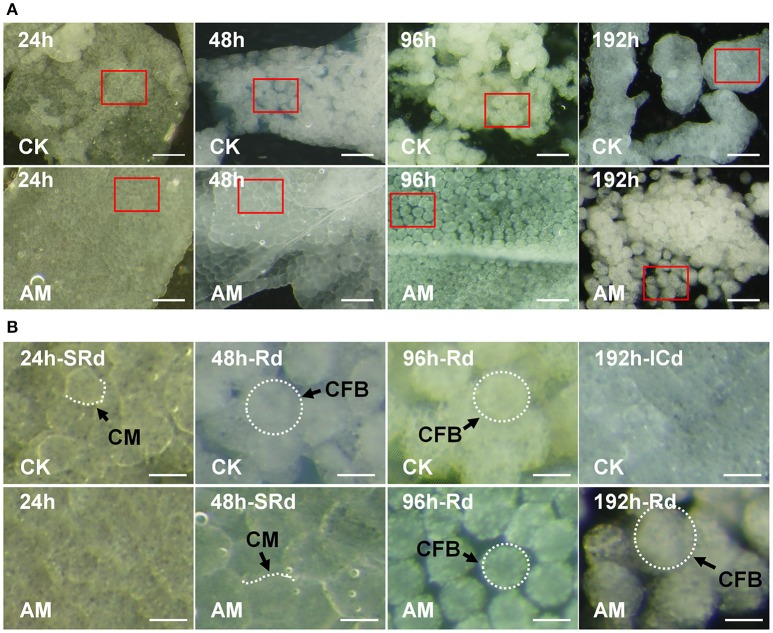
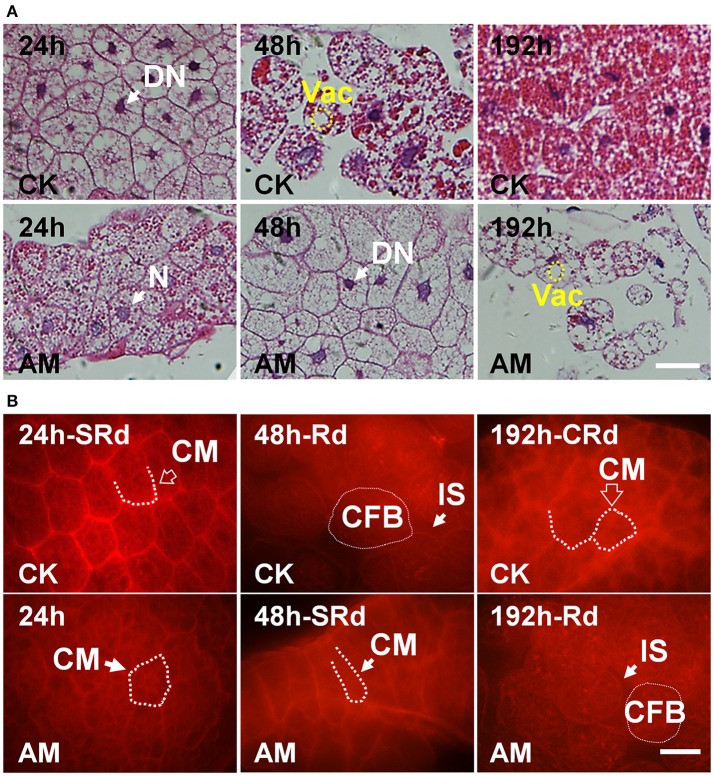
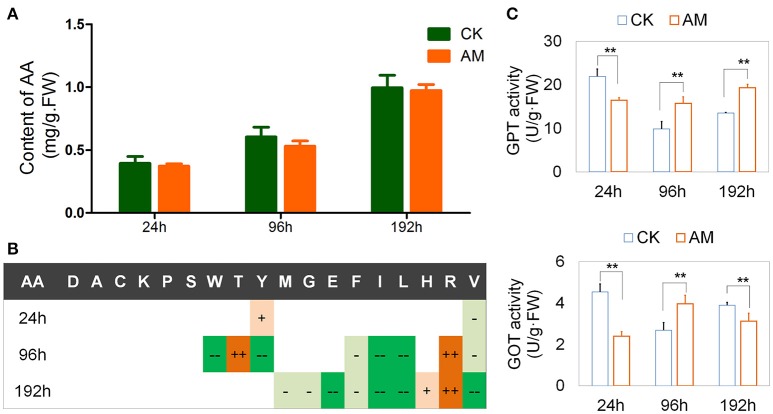
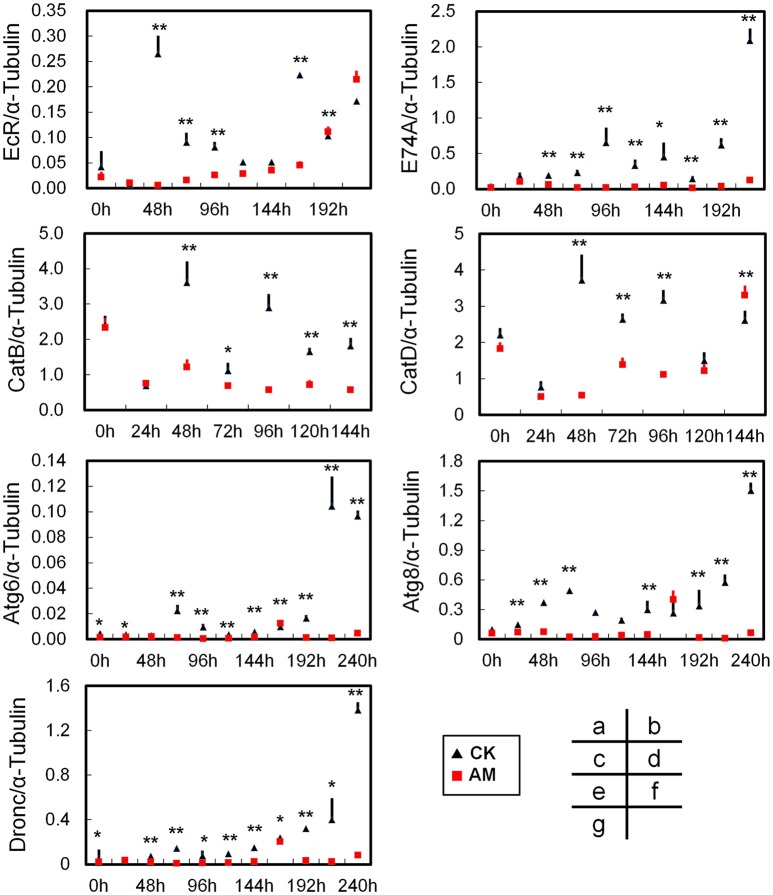
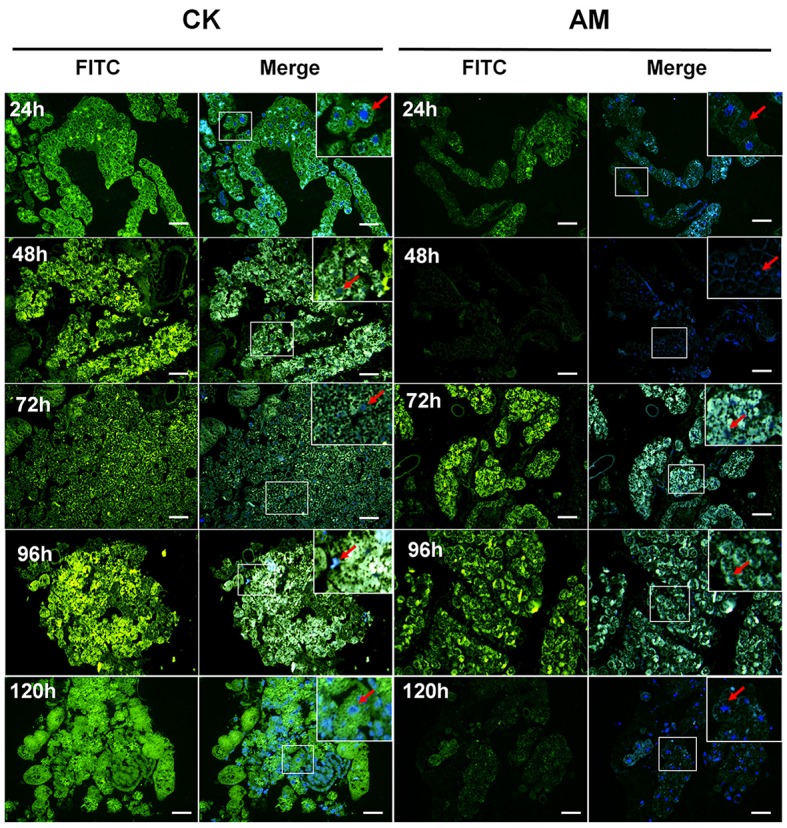
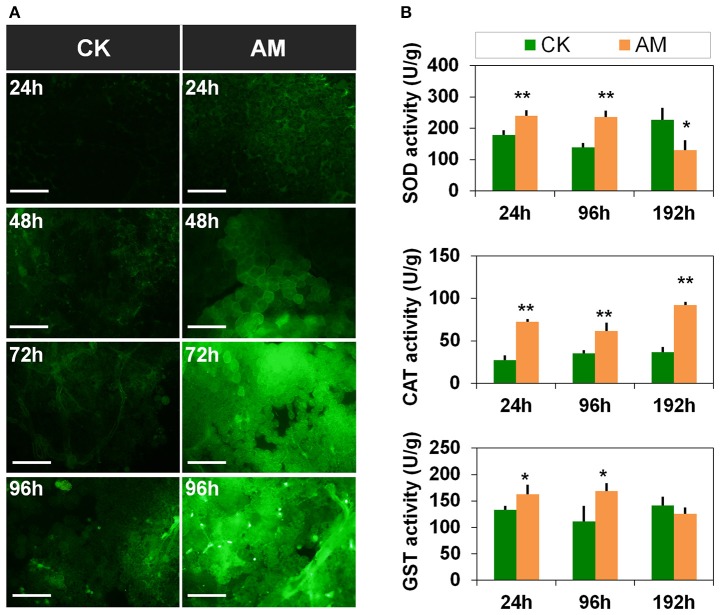
Hyperproteinemia, which is characterized by an abnormally elevated plasma protein concentration (PPC), is a high-mortality, metabolic complication associated with severe liver and kidney disease. It is difficult to clinically distinguish the difference between the impacts of primary diseases and hyperproteinemia on tissues and organs, and there are no available animal models of hyperproteinemia. Here, we constructed an animal model of hyperproteinemia with a controllable PPC and no primary disease effects in the silkworm that has attracted interest owing to its potential use in the pathological analysis of model animals. Silkworm have an open circulatory system in which each organ is directly immersed in hemolymph. The fat body (FB) of a silkworm, as a major organ for nutrient storage and energy metabolism, can effectively reflect hyperproteinemia-induced metabolic abnormalities in damaged visceral tissues. A pathogenesis study showed that hyperproteinemia attenuated cell autophagy and apoptosis by attenuating an endocrine hormone, thereby preventing FB remodeling during metamorphosis. Meanwhile, hyperproteinemia increased oxidative stress in the FB and resulted in a dysfunction of amino acid conversion. Supplementation with exogenous 20-hydroxyecdysone effectively mitigated the hyperproteinemia-mediated inhibition of FB remodeling.
高蛋白血症的特征是血浆蛋白浓度(PPC)异常升高,是一种与严重肝脏和肾脏疾病相关的高死亡率代谢并发症。临床上很难区分原发性疾病和高蛋白血症对组织和器官影响的差异,并且目前没有可用的高蛋白血症动物模型。在此,我们构建了一种高蛋白血症动物模型,其PPC可控且无原发性疾病影响,该模型以家蚕为研究对象,因其在模型动物病理分析中的潜在用途而备受关注。家蚕具有开放式循环系统,其中每个器官都直接浸浴在血淋巴中。家蚕的脂肪体(FB)作为营养储存和能量代谢的主要器官,能够有效反映高蛋白血症诱导的受损内脏组织代谢异常。一项发病机制研究表明,高蛋白血症通过减弱一种内分泌激素来减弱细胞自噬和凋亡,从而在变态过程中阻止脂肪体重塑。同时,高蛋白血症增加了脂肪体中的氧化应激,并导致氨基酸转化功能障碍。补充外源性20-羟基蜕皮激素可有效减轻高蛋白血症介导的对脂肪体重塑的抑制作用。