Haswell Peter M, Jones Katherine A, Kusak Josip, Hayward Matt W
School of Biological Sciences, Bangor University, Bangor, Gwynedd, LL57 2UW, UK.
UK Wolf Conservation Trust, Butlers Farm, Beenham, Berkshire, RG7 5NT, UK.
Oecologia. 2018 Jul;187(3):573-583. doi: 10.1007/s00442-018-4133-3. Epub 2018 Apr 13.
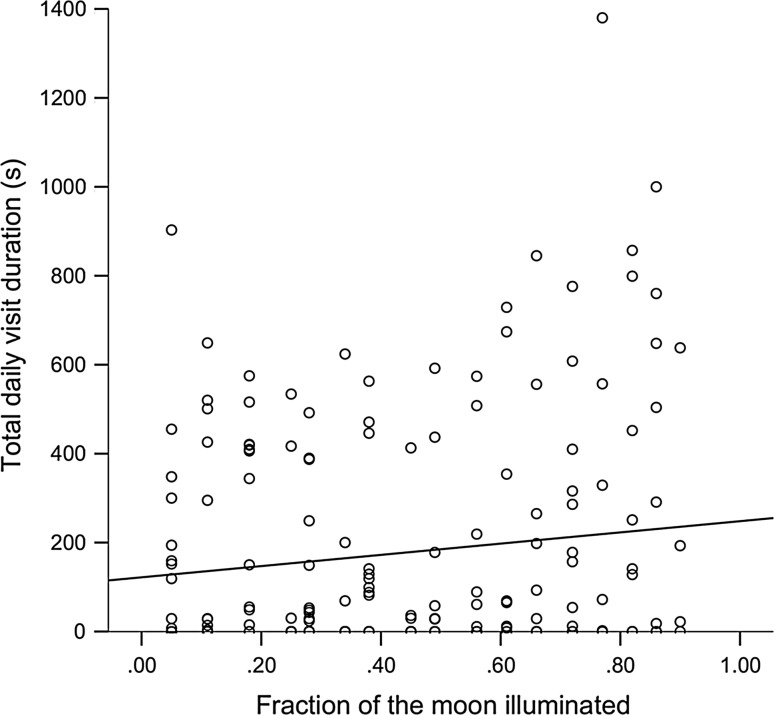
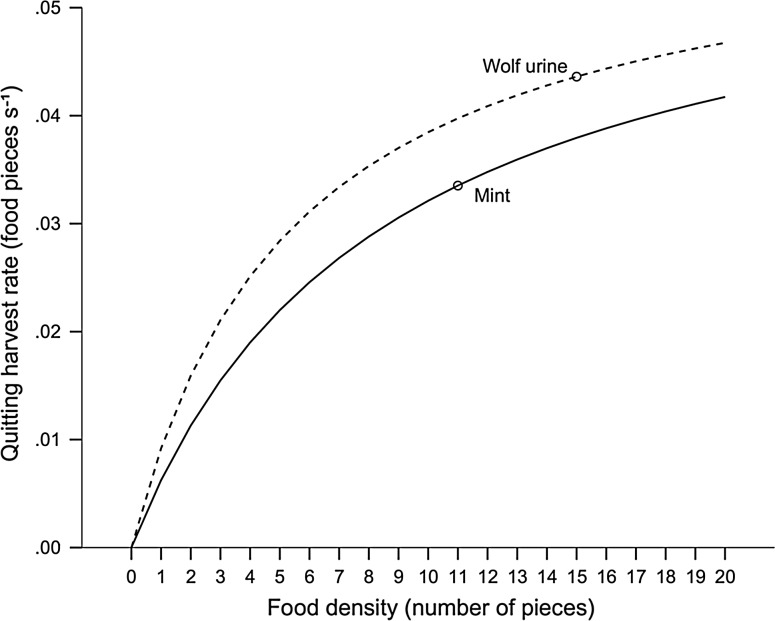
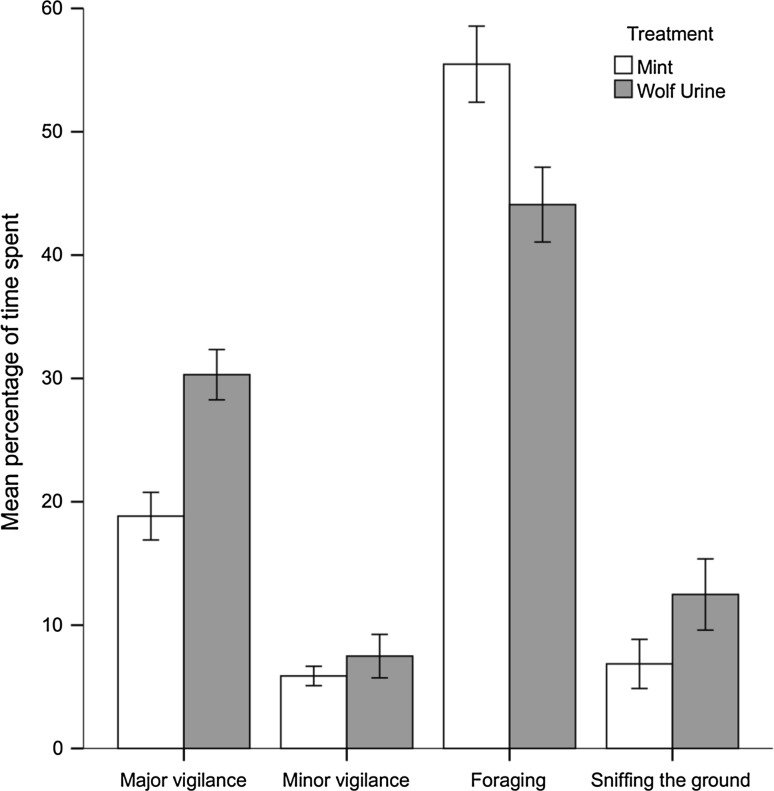
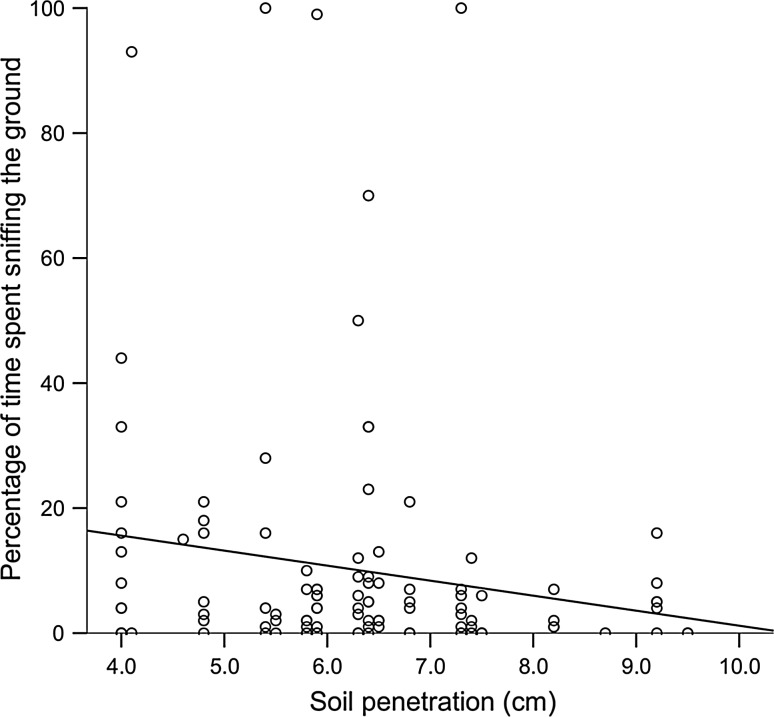
Where direct killing is rare and niche overlap low, sympatric carnivores may appear to coexist without conflict. Interference interactions, harassment and injury from larger carnivores may still pose a risk to smaller mesopredators. Foraging theory suggests that animals should adjust their behaviour accordingly to optimise foraging efficiency and overall fitness, trading off harvest rate with costs to fitness. The foraging behaviour of red foxes, Vulpes vulpes, was studied with automated cameras and a repeated measures giving-up density (GUD) experiment where olfactory risk cues were manipulated. In Plitvice Lakes National Park, Croatia, red foxes increased GUDs by 34% and quitting harvest rates by 29% in response to wolf urine. In addition to leaving more food behind, foxes also responded to wolf urine by spending less time visiting food patches each day and altering their behaviour in order to compensate for the increased risk when foraging from patches. Thus, red foxes utilised olfaction to assess risk and experienced foraging costs due to the presence of a cue from gray wolves, Canis lupus. This study identifies behavioural mechanisms which may enable competing predators to coexist, and highlights the potential for additional ecosystem service pathways arising from the behaviour of large carnivores. Given the vulnerability of large carnivores to anthropogenic disturbance, a growing human population and intensifying resource consumption, it becomes increasingly important to understand ecological processes so that land can be managed appropriately.
在直接杀戮罕见且生态位重叠程度较低的情况下,同域分布的食肉动物可能看似能够和平共存而不发生冲突。然而,来自大型食肉动物的干扰性互动、骚扰和伤害仍可能对小型中型食肉动物构成风险。觅食理论表明,动物应相应地调整其行为,以优化觅食效率和整体适应性,在收获率与适应性成本之间进行权衡。本研究利用自动相机和重复测量放弃密度(GUD)实验,对赤狐(Vulpes vulpes)的觅食行为进行了研究,其中对嗅觉风险线索进行了操控。在克罗地亚的普利特维采湖国家公园,赤狐对狼尿的反应是放弃密度增加了34%,放弃收获率提高了29%。除了留下更多食物外,狐狸对狼尿的反应还包括每天减少访问食物斑块的时间,并改变其行为,以补偿在斑块觅食时增加的风险。因此,赤狐利用嗅觉来评估风险,并因灰狼(Canis lupus)的线索存在而经历了觅食成本。这项研究确定了可能使竞争的食肉动物共存的行为机制,并强调了大型食肉动物行为产生额外生态系统服务途径的潜力。鉴于大型食肉动物易受人为干扰、人口增长和资源消耗加剧的影响,了解生态过程以便对土地进行适当管理变得越来越重要。