Familiari Filippo, Rojas Jorge, Nedim Doral Mahmut, Huri Gazi, McFarland Edward G
Department of Orthopaedics and Traumatology, Villa del Sole Clinic, Italy.
Division of Shoulder Surgery, Department of Orthopaedic Surgery, The Johns Hopkins University, USA.
EFORT Open Rev. 2018 Feb 28;3(2):58-69. doi: 10.1302/2058-5241.3.170044. eCollection 2018 Feb.
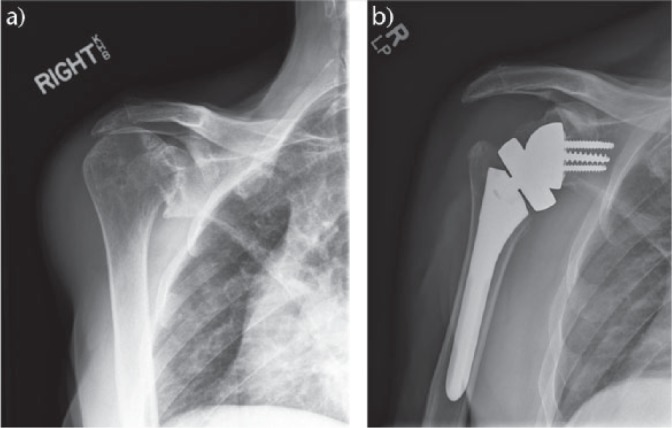
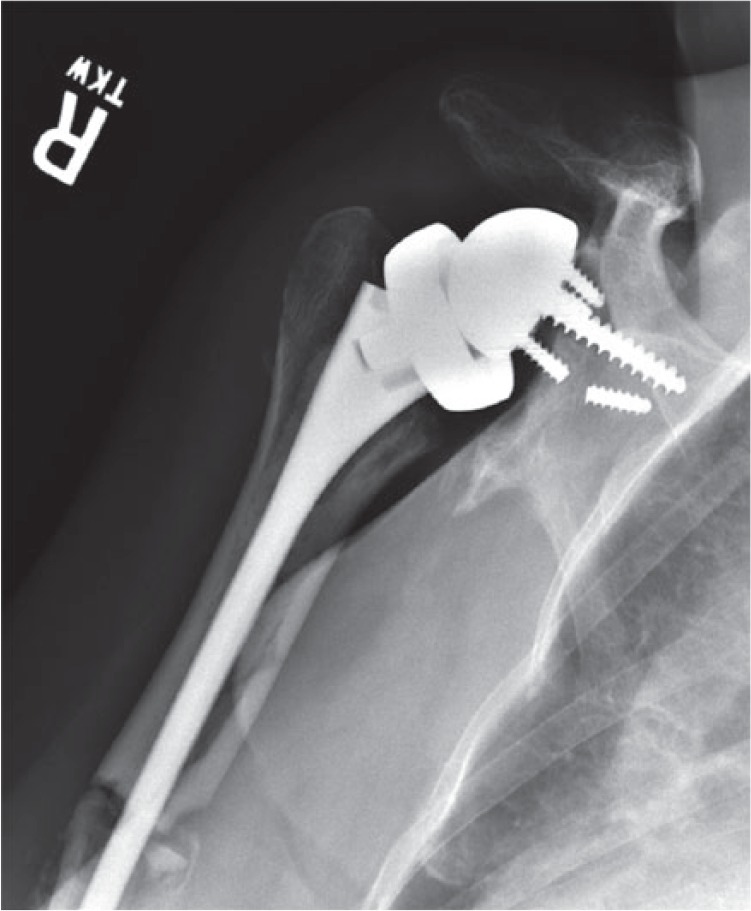
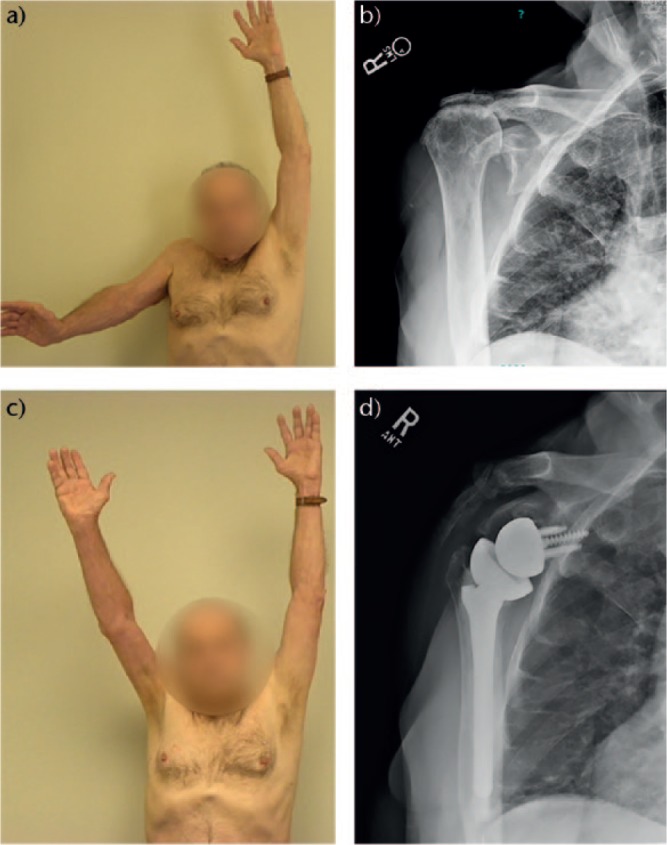
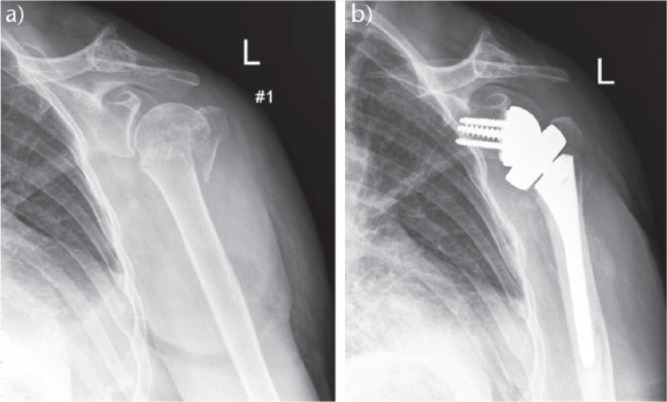
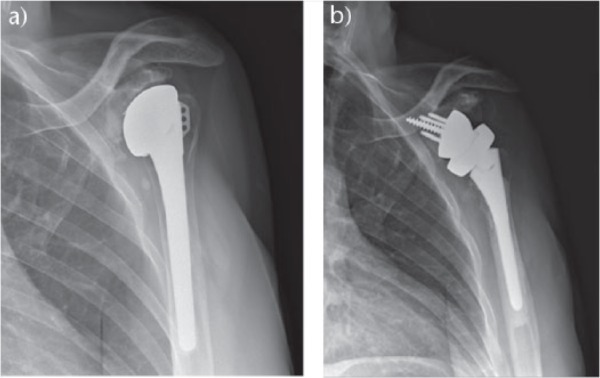
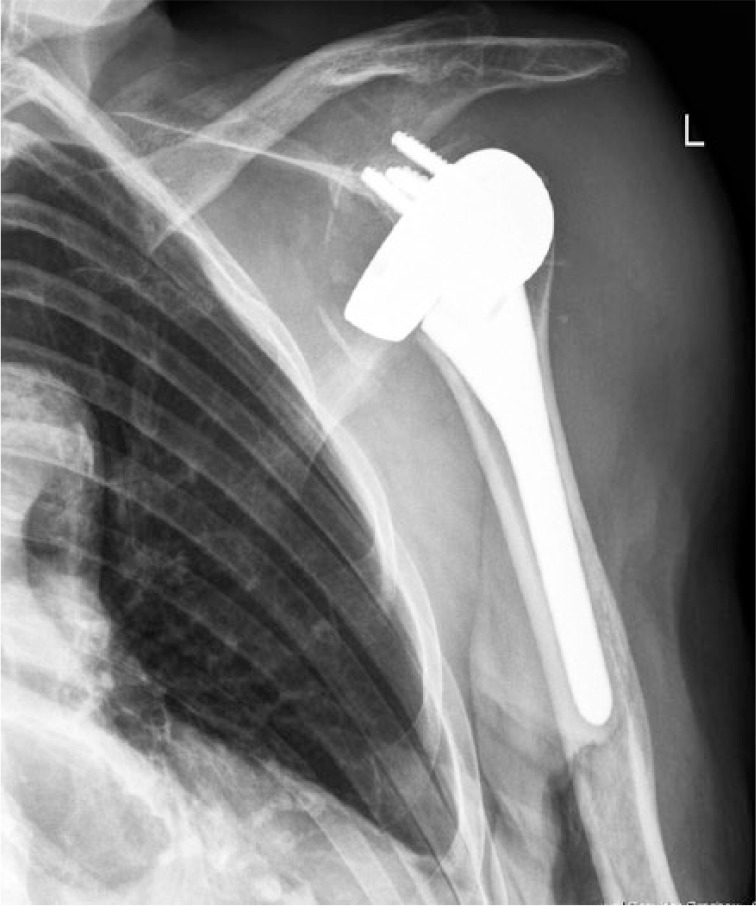
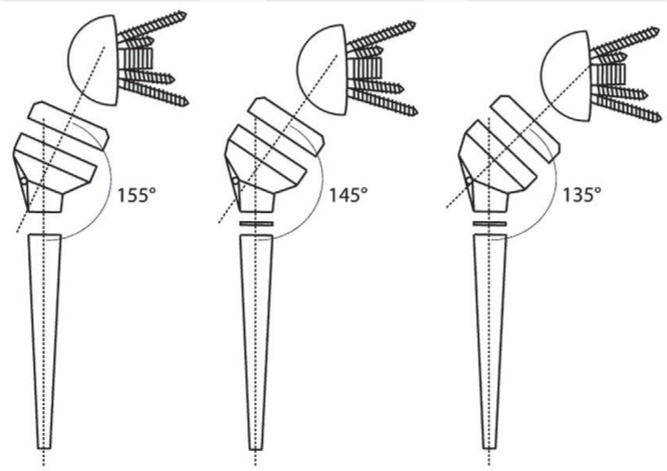
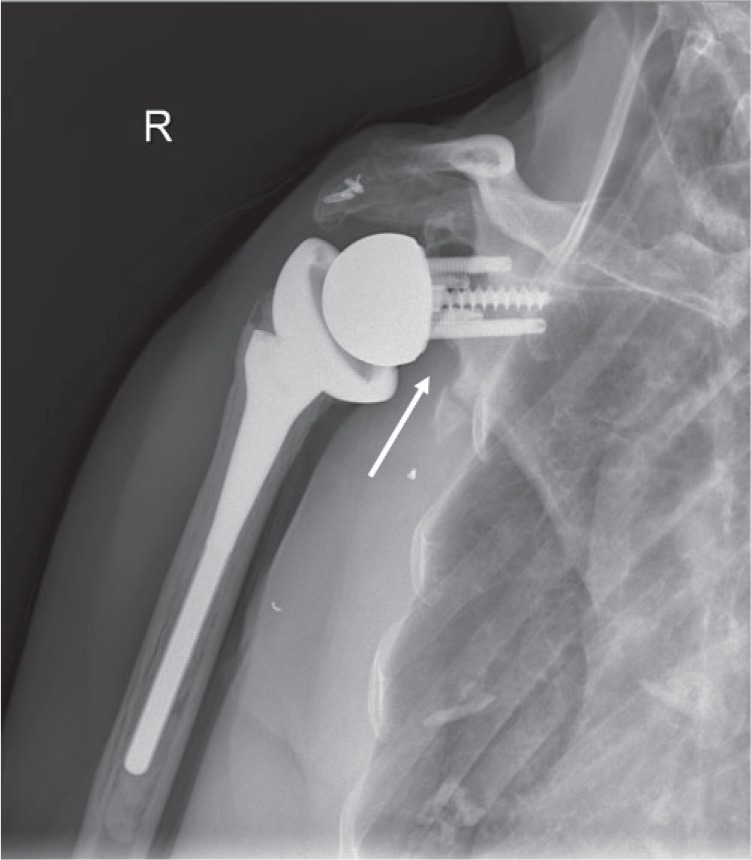
Since the introduction of reverse total shoulder arthroplasty (RTSA) in 1987 (in Europe) and 2004 (in the United States), the number of RTSAs performed annually has increased.Although the main indication for RTSA has been rotator cuff tears, indications have expanded to include several shoulder conditions, many of which involve dysfunction of the rotator cuff.RTSA complications have been reported to affect 19% to 68% of patients and include acromial fracture, haematoma, infection, instability, mechanical baseplate failure, neurological injury, periprosthetic fracture and scapular notching.Current controversies in RTSA include optimal baseplate positioning, humeral neck-shaft angle (135° 155°), glenosphere placement (medial, lateral or bony increased offset RTSA) and subscapularis repair.Improvements in prosthesis design, surgeon experience and clinical results will need to occur to optimize this treatment for many shoulder conditions. Cite this article: 2018;3:58-69 DOI: 10.1302/2058-5241.3.170044.
自1987年(在欧洲)和2004年(在美国)引入反式全肩关节置换术(RTSA)以来,每年进行的RTSA手术数量不断增加。尽管RTSA的主要适应症一直是肩袖撕裂,但适应症已扩大到包括多种肩部疾病,其中许多涉及肩袖功能障碍。据报道,RTSA并发症影响19%至68%的患者,包括肩峰骨折、血肿、感染、不稳定、机械性基板故障、神经损伤、假体周围骨折和肩胛切迹。RTSA目前的争议包括最佳基板定位、肱骨干颈角(135°至155°)、球窝关节盂置入(内侧、外侧或骨增加偏移RTSA)和肩胛下肌修复。需要在假体设计、外科医生经验和临床结果方面取得进展,以优化针对多种肩部疾病的这种治疗方法。引用本文:2018;3:58 - 69 DOI:10.1302/2058 - 5241.3.170044 。