Pricewaterhouse Coopers LLP, New York, NY, United States of America.
Department of Biomedical Engineering, Case Western Reserve University, Cleveland, OH, United States of America.
PLoS Comput Biol. 2018 Apr 16;14(4):e1006060. doi: 10.1371/journal.pcbi.1006060. eCollection 2018 Apr.
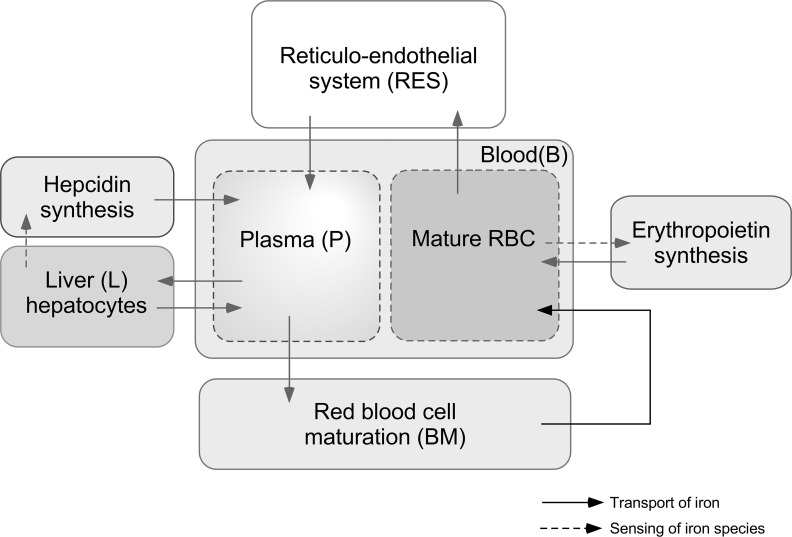
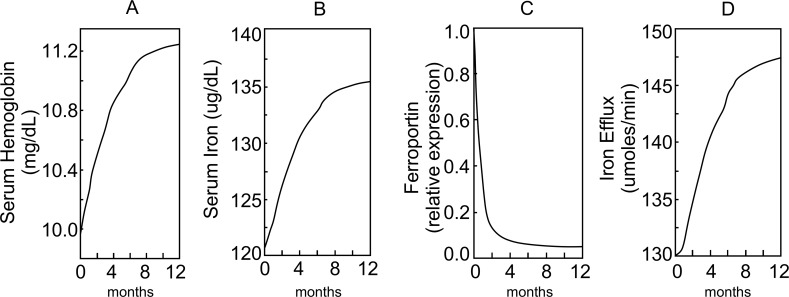
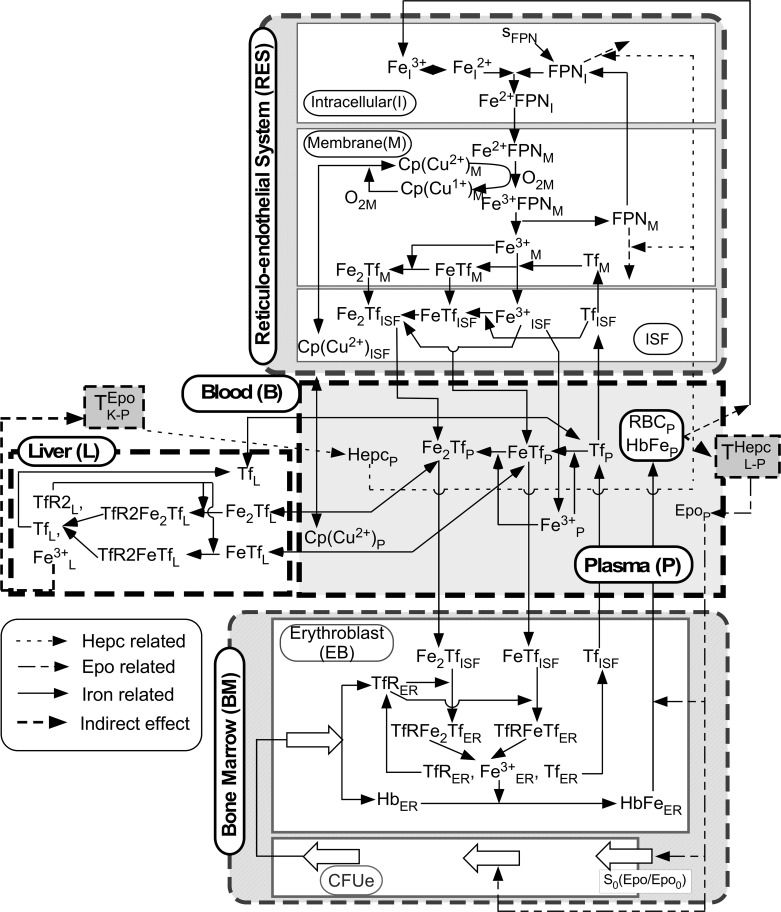
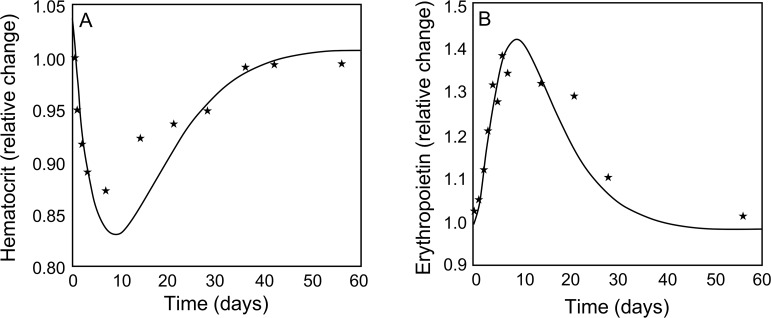
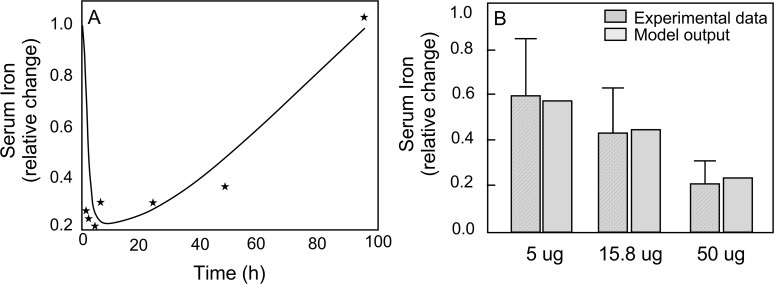
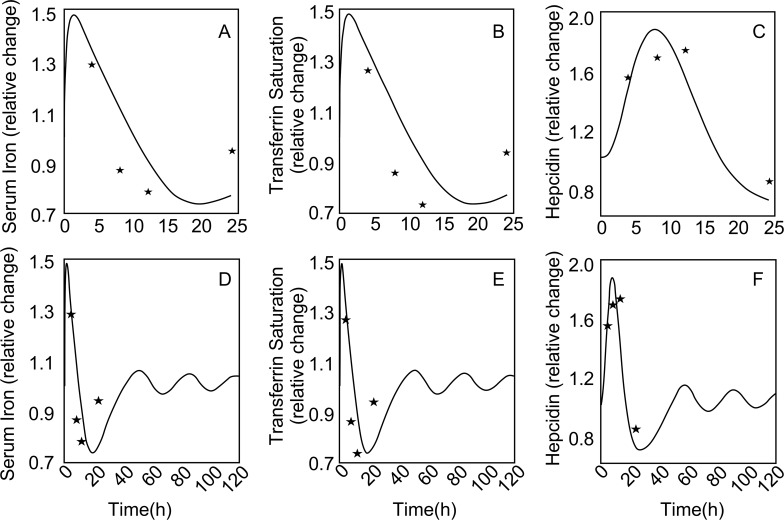
Iron plays vital roles in the human body including enzymatic processes, oxygen-transport via hemoglobin and immune response. Iron metabolism is characterized by ~95% recycling and minor replenishment through diet. Anemia of chronic kidney disease (CKD) is characterized by a lack of synthesis of erythropoietin leading to reduced red blood cell (RBC) formation and aberrant iron recycling. Treatment of CKD anemia aims to normalize RBC count and serum hemoglobin. Clinically, the various fluxes of iron transport and accumulation are not measured so that changes during disease (e.g., CKD) and treatment are unknown. Unwanted iron accumulation in patients is known to lead to adverse effects. Current whole-body models lack the mechanistic details of iron transport related to RBC maturation, transferrin (Tf and TfR) dynamics and assume passive iron efflux from macrophages. Hence, they are not predictive of whole-body iron dynamics and cannot be used to design individualized patient treatment. For prediction, we developed a mechanistic, multi-scale computational model of whole-body iron metabolism incorporating four compartments containing major pools of iron and RBC generation process. The model accounts for multiple forms of iron in vivo, mechanisms involved in iron uptake and release and their regulation. Furthermore, the model is interfaced with drug pharmacokinetics to allow simulation of treatment dynamics. We calibrated our model with experimental and clinical data from peer-reviewed literature to reliably simulate CKD anemia and the effects of current treatment involving combination of epoietin-alpha and iron dextran. This in silico whole-body model of iron metabolism predicts that a year of treatment can potentially lead to 90% downregulation of ferroportin (FPN) levels, 15-fold increase in iron stores with only a 20% increase in iron flux from the reticulo-endothelial system (RES). Model simulations quantified unmeasured iron fluxes, previously unknown effects of treatment on FPN-level and iron stores in the RES. This mechanistic whole-body model can be the basis for future studies that incorporate iron metabolism together with related clinical experiments. Such an approach could pave the way for development of effective personalized treatment of CKD anemia.
铁在人体内发挥着重要作用,包括酶促过程、血红蛋白中的氧气运输和免疫反应。铁代谢的特点是 95%通过回收再利用,只有少量通过饮食补充。慢性肾脏病(CKD)贫血的特点是促红细胞生成素合成减少,导致红细胞(RBC)生成减少和铁回收异常。CKD 贫血的治疗旨在使 RBC 计数和血清血红蛋白正常化。临床上,并未测量铁运输和积累的各种通量,因此无法了解疾病(如 CKD)和治疗过程中的变化。众所周知,患者体内的铁积累会导致不良影响。目前的全身模型缺乏与 RBC 成熟、转铁蛋白(Tf 和 TfR)动力学相关的铁运输的机制细节,并且假设巨噬细胞中存在铁的被动外排。因此,它们不能预测全身铁动力学,也不能用于设计个体化的患者治疗。为了进行预测,我们开发了一种包含四个包含主要铁池和 RBC 生成过程的隔室的铁代谢整体机制、多尺度计算模型。该模型考虑了体内多种形式的铁、铁摄取和释放的机制及其调节。此外,该模型与药物药代动力学接口,允许模拟治疗动力学。我们使用来自同行评议文献的实验和临床数据对我们的模型进行了校准,以可靠地模拟 CKD 贫血和当前治疗(包括促红细胞生成素-α和右旋糖酐铁的联合治疗)的效果。这种铁代谢的体内整体模型预测,一年的治疗可能会导致铁调节蛋白(FPN)水平下调 90%,铁储存增加 15 倍,而网状内皮系统(RES)的铁通量仅增加 20%。模型模拟量化了未测量的铁通量,以及治疗对 RES 中 FPN 水平和铁储存的未知影响。这种机制性的全身模型可以作为未来研究的基础,将铁代谢与相关的临床实验相结合。这种方法可以为开发有效的 CKD 贫血个体化治疗铺平道路。