National Pediatric Neuroinflammation Organization, Inc., Orlando, FL, United States.
College of Medicine, University of Central Florida, Orlando, FL, United States.
Front Immunol. 2018 Apr 4;9:557. doi: 10.3389/fimmu.2018.00557. eCollection 2018.
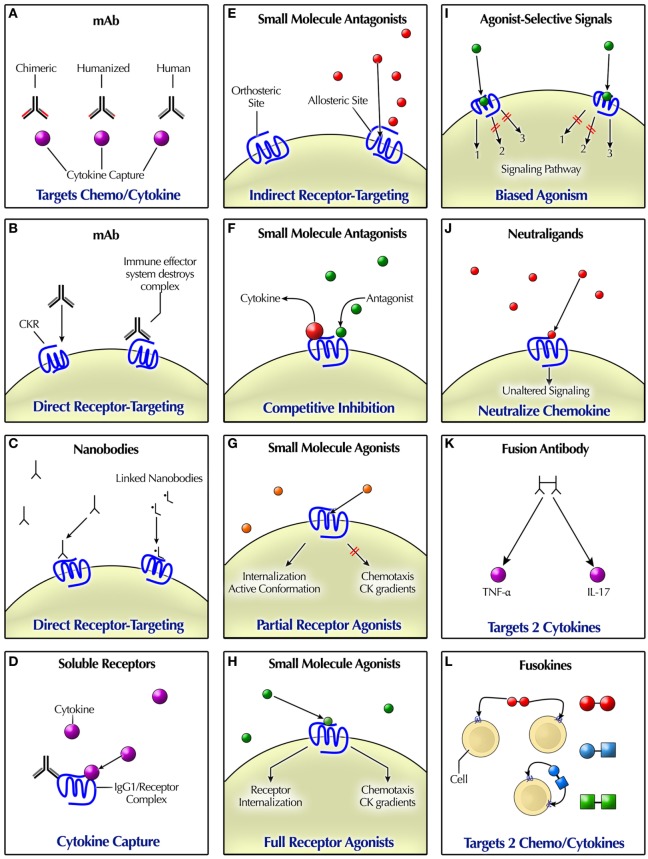
The concept and recognized components of "neuroinflammation" are expanding at the intersection of neurobiology and immunobiology. Chemokines (CKs), no longer merely necessary for immune cell trafficking and positioning, have multiple physiologic, developmental, and modulatory functionalities in the central nervous system (CNS) through neuron-glia interactions and other mechanisms affecting neurotransmission. They issue the "help me" cry of neurons and astrocytes in response to CNS injury, engaging invading lymphoid cells (T cells and B cells) and myeloid cells (dendritic cells, monocytes, and neutrophils) (adaptive immunity), as well as microglia and macrophages (innate immunity), in a cascade of events, some beneficial (reparative), others destructive (excitotoxic). Human cerebrospinal fluid (CSF) studies have been instrumental in revealing soluble immunobiomarkers involved in immune dysregulation, their dichotomous effects, and the cells-often subtype specific-that produce them. CKs/cytokines continue to be attractive targets for the pharmaceutical industry with varying therapeutic success. This review summarizes the developing armamentarium, complexities of not compromising surveillance/physiologic functions, and insights on applicable strategies for neuroinflammatory disorders. The main approach has been using a designer monoclonal antibody to bind directly to the chemo/cytokine. Another approach is soluble receptors to bind the chemo/cytokine molecule (receptor ligand). Recombinant fusion proteins combine a key component of the receptor with IgG1. An additional approach is small molecule antagonists (protein therapeutics, binding proteins, and protein antagonists). CK neutralizing molecules ("neutraligands") that are not receptor antagonists, high-affinity neuroligands ("decoy molecules"), as well as neutralizing "nanobodies" (single-domain camelid antibody fragment) are being developed. Simultaneous, more precise targeting of more than one cytokine is possible using bispecific agents (fusion antibodies). It is also possible to inhibit part of a signaling cascade to spare protective cytokine effects. "Fusokines" (fusion of two cytokines or a cytokine and CK) allow greater synergistic bioactivity than individual cytokines. Another promising approach is experimental targeting of the NLRP3 inflammasome, amply expressed in the CNS and a key contributor to neuroinflammation. Serendipitous discovery is not to be discounted. Filling in knowledge gaps between pediatric- and adult-onset neuroinflammation by systematic collection of CSF data on CKs/cytokines in temporal and clinical contexts and incorporating immunobiomarkers in clinical trials is a challenge hereby set forth for clinicians and researchers.
“神经炎症”的概念和公认组成部分正在神经生物学和免疫生物学的交叉点上扩展。趋化因子(CKs)不再仅仅是免疫细胞迁移和定位所必需的,通过神经元-神经胶质相互作用和影响神经传递的其他机制,在中枢神经系统(CNS)中具有多种生理、发育和调节功能。它们发出神经元和星形胶质细胞对中枢神经系统损伤的“帮助我”的呼声,使入侵的淋巴细胞(T 细胞和 B 细胞)和髓样细胞(树突状细胞、单核细胞和中性粒细胞)(适应性免疫)以及小胶质细胞和巨噬细胞(固有免疫)参与一连串的事件,其中一些是有益的(修复性的),另一些是破坏性的(兴奋毒性的)。人类脑脊液(CSF)研究对于揭示参与免疫失调的可溶性免疫生物标志物、它们的二分效应以及产生它们的细胞(通常是亚型特异性的)非常重要。CKs/细胞因子继续是制药行业有吸引力的靶标,具有不同的治疗成功。本综述总结了正在发展的武器库、不损害监视/生理功能的复杂性以及对神经炎症性疾病适用策略的见解。主要方法是使用设计的单克隆抗体直接结合趋化/细胞因子。另一种方法是可溶性受体结合趋化/细胞因子分子(受体配体)。重组融合蛋白将受体的关键成分与 IgG1 结合。另一种方法是小分子拮抗剂(蛋白治疗剂、结合蛋白和蛋白拮抗剂)。正在开发 CK 中和分子(不是受体拮抗剂的“中和配体”)、高亲和力的神经配体(“诱饵分子”)以及中和“纳米抗体”(单域骆驼科抗体片段)。使用双特异性剂(融合抗体)可以同时更精确地靶向一种以上的细胞因子。也可以抑制信号级联的一部分以保留保护性细胞因子效应。“融合趋化因子”(两种细胞因子或细胞因子和 CK 的融合)允许比单个细胞因子更大的协同生物活性。另一个有前途的方法是实验靶向 NLRP3 炎性小体,该炎性小体在中枢神经系统中大量表达,是神经炎症的关键贡献者。因此,不应忽视偶然发现。通过在时间和临床背景下系统地收集 CSF 数据以收集 CKs/细胞因子并将免疫生物标志物纳入临床试验,填补儿科和成人发病的神经炎症之间的知识空白,这是向临床医生和研究人员提出的挑战。