Vogel Wendy H, Jennifer Paul
Wellmont Cancer Institute, Kingsport, Tennessee, and University of North Carolina, Chapel HIll, North Carolina.
J Adv Pract Oncol. 2016 Nov-Dec;7(7):723-735. Epub 2016 Nov 1.
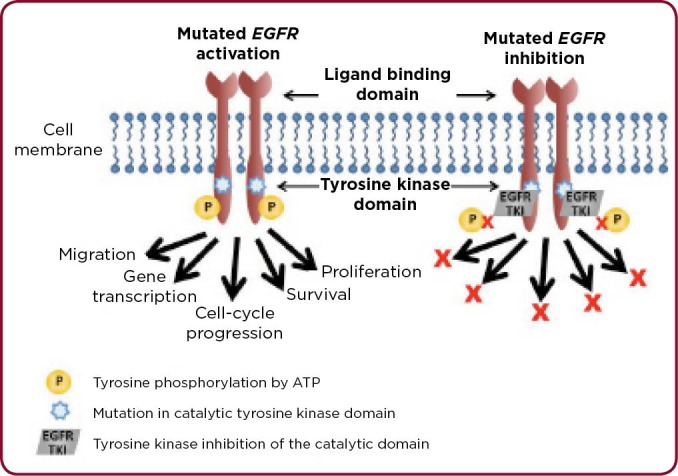
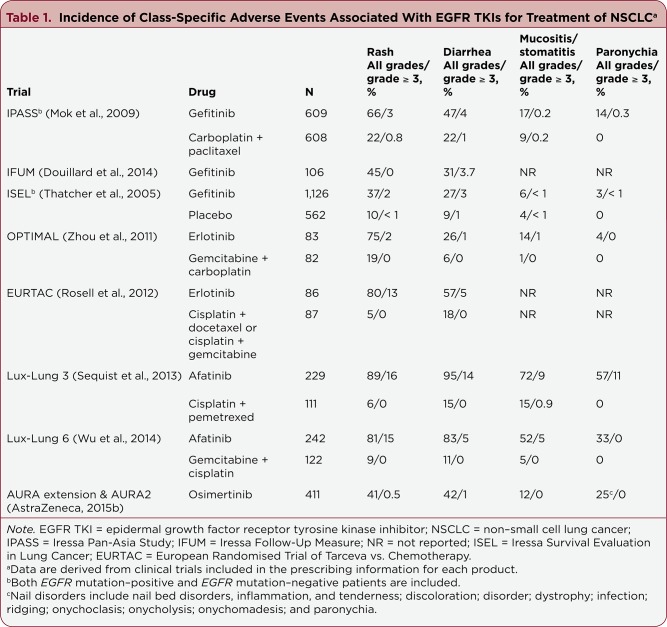
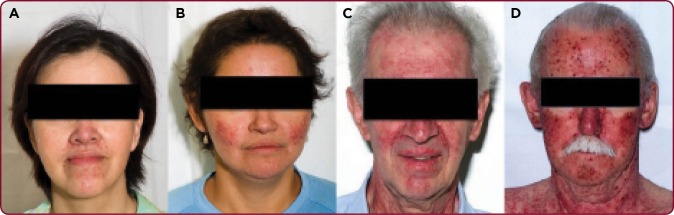
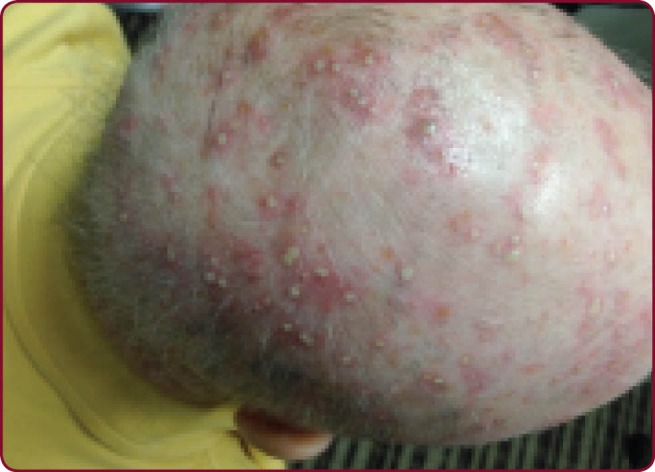
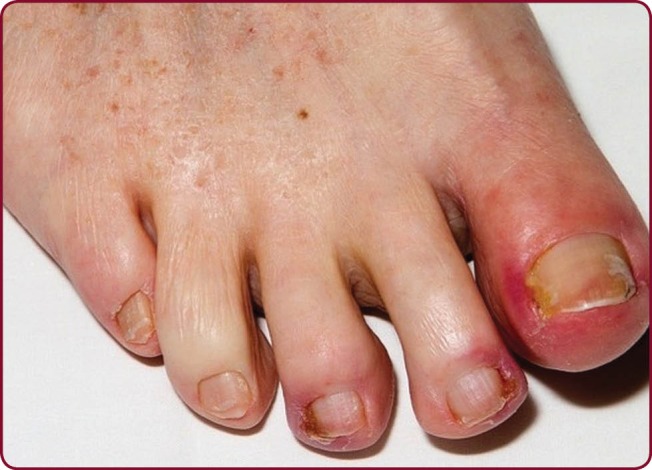
New advances in the treatment of non-small cell lung cancer (NSCLC) have afforded patients longer progression-free survival times, but these therapies are also associated with specific side effects that may not be seen with chemotherapy or radiotherapy. One class of agents includes the epidermal growth factor receptor (EGFR) tyrosine kinase inhibitors (TKIs), which have been shown to be efficacious in patients whose tumors harbor -activating mutations. Certain adverse effects, particularly rash and diarrhea, as well as mucositis/stomatitis, paronychia, ocular disorders, and interstitial lung disease, are seen with this class as a function of their mechanism of action. This review presents the suggested pathogenesis of these toxicities as well as specific management strategies to assist advanced practitioners in helping patients receive the full benefit of treatment with EGFR TKIs.
非小细胞肺癌(NSCLC)治疗方面的新进展使患者的无进展生存期延长,但这些疗法也伴有一些特定的副作用,而化疗或放疗可能不会出现这些副作用。一类药物包括表皮生长因子受体(EGFR)酪氨酸激酶抑制剂(TKIs),已证明其对肿瘤携带激活突变的患者有效。这类药物会出现某些不良反应,尤其是皮疹和腹泻,以及黏膜炎/口腔炎、甲沟炎、眼部疾病和间质性肺病,这与其作用机制有关。本综述介绍了这些毒性反应的推测发病机制以及具体的管理策略,以帮助高级从业者协助患者充分受益于EGFR TKIs治疗。