Behringer Gregory, Ochsenkühn Michael A, Fei Cong, Fanning Jhamal, Koester Julie A, Amin Shady A
Marine Microbial Ecology Lab, Biology Program, New York University Abu Dhabi, Abu Dhabi, United Arab Emirates.
College of Resources and Environmental Science, Nanjing Agriculture University, Nanjing, China.
Front Microbiol. 2018 Apr 6;9:659. doi: 10.3389/fmicb.2018.00659. eCollection 2018.
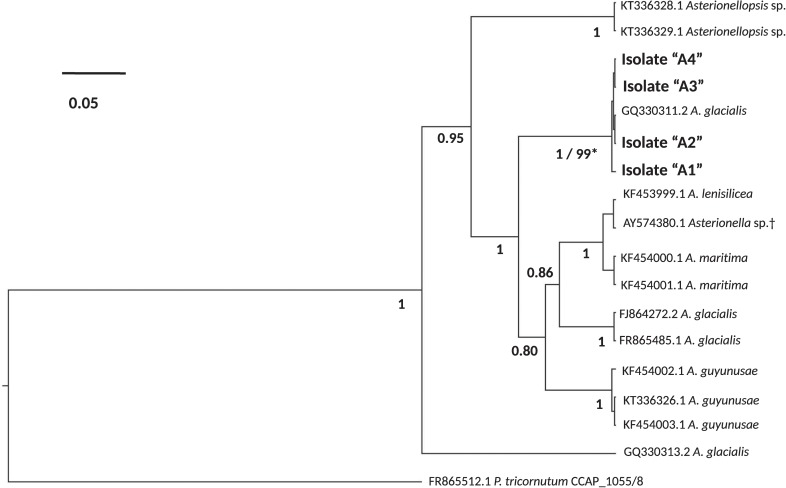
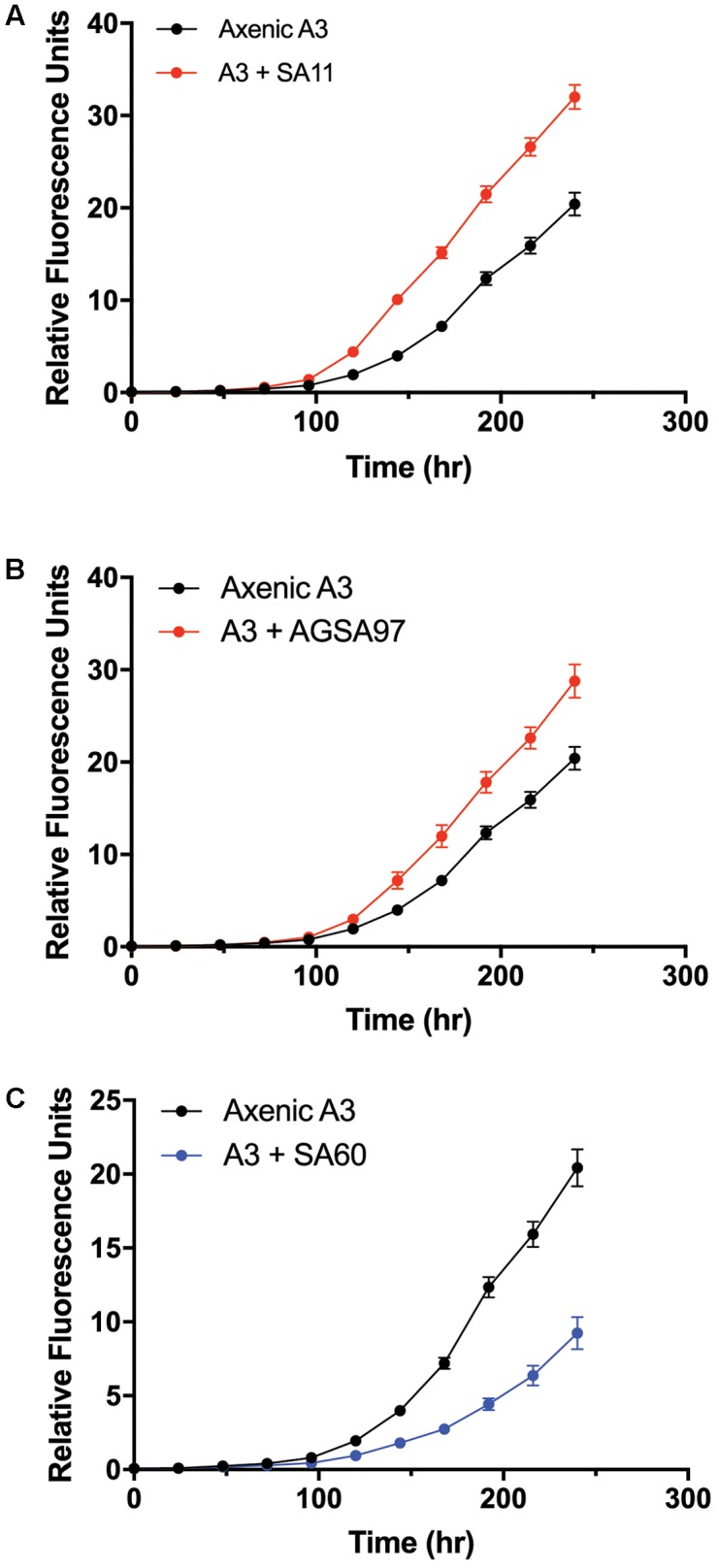
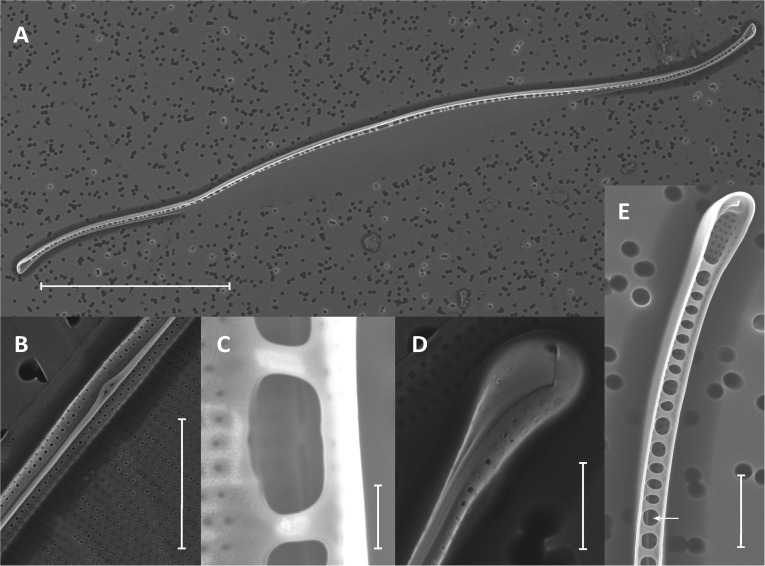
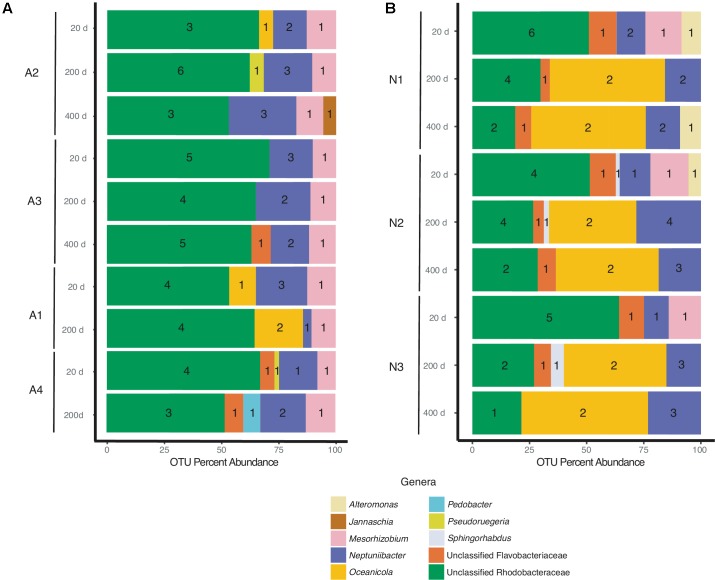
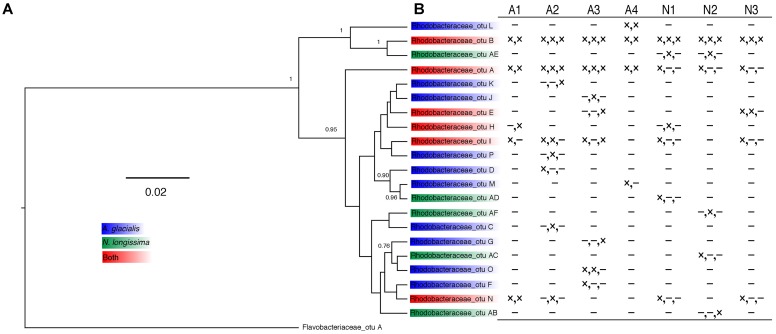
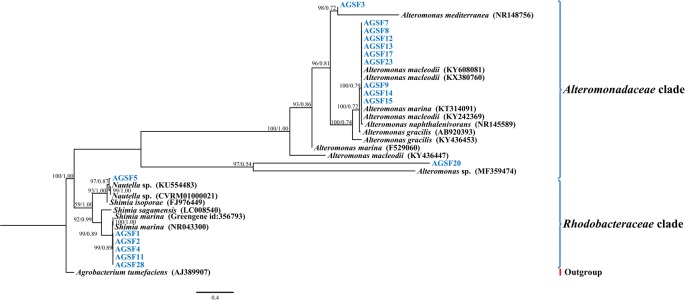
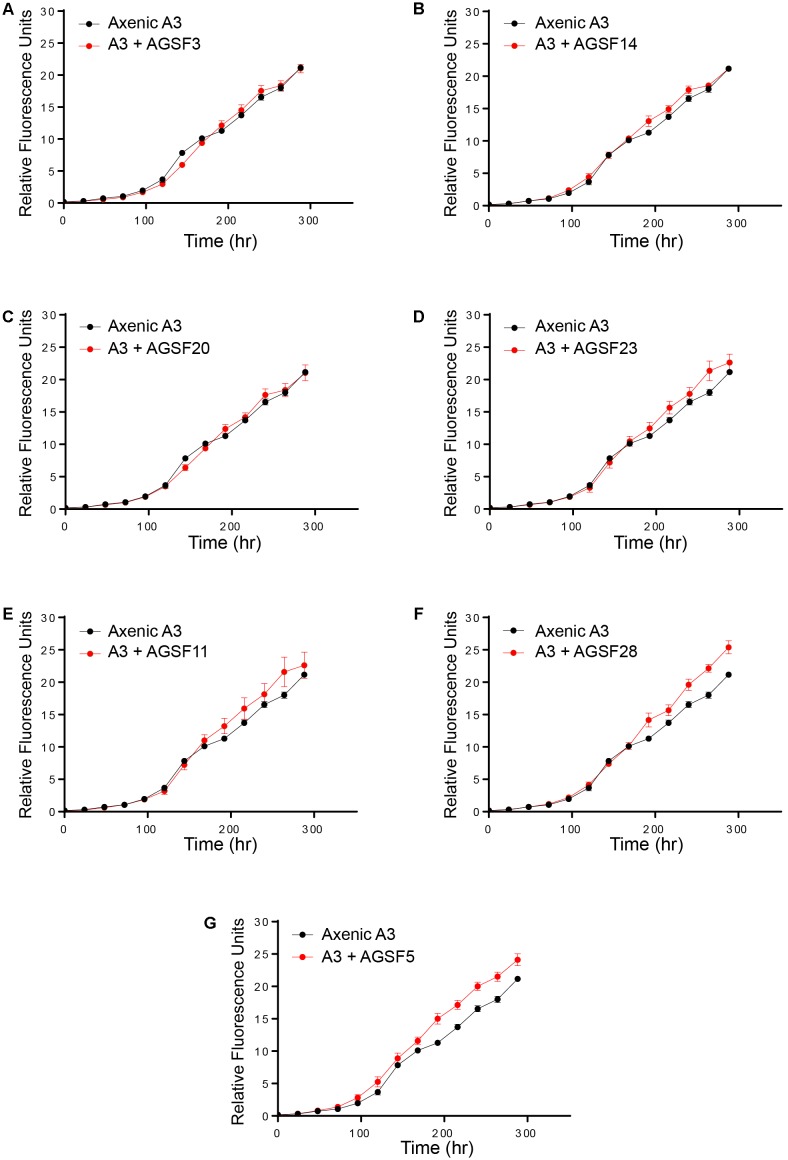
Interactions between phytoplankton and bacteria play important roles in shaping the microenvironment surrounding these organisms and in turn influence global biogeochemical cycles. This microenvironment, known as the phycosphere, is presumed to shape the bacterial diversity around phytoplankton and thus stimulate a diverse array of interactions between both groups. Although many studies have attempted to characterize bacterial communities that associate and interact with phytoplankton, bias in bacterial cultivation and consistency and persistence of bacterial communities across phytoplankton isolates likely impede the understanding of these microbial associations. Here, we isolate four strains of the diatom and three strains of the diatom and show through metabarcoding of the bacterial 16S rDNA gene that though each species possesses a unique bacterial community, the bacterial composition across strains from the same species are highly conserved at the genus level. Cultivation of all seven strains in the laboratory for longer than 1 year resulted in only small changes to the bacterial composition, suggesting that despite strong pressures from laboratory culturing conditions associations between these diatoms and their bacterial communities are robust. Specific operational taxonomic units (OTUs) belonging to the Roseobacter-clade appear to be conserved across all strains and time, suggesting their importance to diatoms. In addition, we isolate a range of cultivable bacteria from one of these cultures, strain A3, including several strains of and sp. that appear closely related to OTUs conserved across all strains and times. Coculturing of A3 with some of its cultivable bacteria as well as other diatom-associated bacteria shows a wide range of responses that include enhancing diatom growth. Cumulatively, these findings suggest that phytoplankton possess unique microbiomes that are consistent across strains and temporal scales.
浮游植物与细菌之间的相互作用在塑造这些生物体周围的微环境中发挥着重要作用,进而影响全球生物地球化学循环。这种被称为藻际的微环境,被认为塑造了浮游植物周围的细菌多样性,从而促进了这两个群体之间各种各样的相互作用。尽管许多研究试图描述与浮游植物相关并相互作用的细菌群落,但细菌培养中的偏差以及浮游植物分离株中细菌群落的一致性和持久性可能会阻碍对这些微生物关联的理解。在这里,我们分离出了四株硅藻和三株硅藻,并通过对细菌16S rDNA基因的宏条形码分析表明,尽管每个物种都拥有独特的细菌群落,但同一物种不同菌株间的细菌组成在属水平上高度保守。在实验室中对所有七株菌株培养超过1年,细菌组成仅发生了微小变化,这表明尽管受到实验室培养条件的强大压力,这些硅藻与其细菌群落之间的关联仍然很强劲。属于玫瑰杆菌属进化枝的特定操作分类单元(OTU)似乎在所有菌株和不同时间都保持不变,这表明它们对硅藻很重要。此外,我们从其中一种培养物,即A3菌株中分离出了一系列可培养细菌,包括几株与所有菌株和不同时间都保守的OTU密切相关的菌株。将A3与其一些可培养细菌以及其他与硅藻相关的细菌进行共培养,显示出广泛的反应,包括促进硅藻生长。总的来说,这些发现表明浮游植物拥有独特的微生物群,这些微生物群在菌株和时间尺度上都是一致的。