School of Social Sciences and Psychology, Western Sydney University, Sydney, Australia.
Health Qual Life Outcomes. 2018 Apr 24;16(1):75. doi: 10.1186/s12955-018-0895-x.
Despite the increasing number of evidence-based research on relational spirituality (RS) and quality of life (QoL) in medical-health research, little is known about the links between RS and QoL outcomes and the mechanisms by which RS aspects are functionally tied to QoL.
To determine how RS is perceived/positioned in relation to QoL, we (a) examined recent available data that identify and appraise the links between RS and QoL; (b) identified themes emerging from the association between RS and QoL, and (c) discussed the implications of the effects of RS on QoL outcomes.
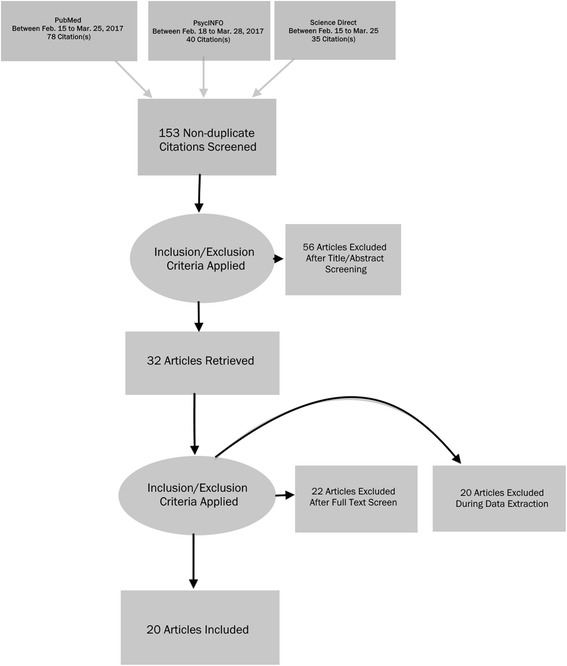
We conducted an integrative research review of English-language peer-reviewed articles published between 2007 to March 2017 which examined an association between RS and QoL, as identified from a search of three databases: PubMed, PsycINFO, and ScienceDirect.
A total of 20 studies were analysed. Of these, twelve (60%) reported positive association between RS and QoL, three (15%) studies reported inverse associations, whereas five (25%) studies showed evidence of lack of association (with two out of the five studies showing an indirect association). Physical health and psychological functioning were the most researched domains of QoL, and some studies suggest an attachment-based model of RS in the last 10 years of RS and QoL research. Studies conducted with participants with serious illnesses ranging from dementia, cardiac arrest, and breast cancer reported no association between RS and physical health. Our review shows evidence of both the direct and/or indirect effects of RS on QoL as a possible spiritual coping model for complementary alternative health therapy, albeit occurring through several religious-related psychosocial conduits.
RS appears to be associated with health benefits as indicated across QoL domains. General medical practitioners and other healthcare agencies could benefit from the understanding that a spiritual coping model could aid their patients, and therefore their clinical practices, in the healing process.
尽管医学健康研究中关于关系灵性(RS)和生活质量(QoL)的循证研究越来越多,但对于 RS 与 QoL 结果之间的联系以及 RS 方面与 QoL 之间的功能联系的机制知之甚少。
为了确定 RS 在与 QoL 的关系中是如何被感知/定位的,我们 (a) 检查了最近可获得的数据,这些数据确定并评估了 RS 与 QoL 之间的联系;(b) 确定了 RS 与 QoL 之间关联中出现的主题;(c) 讨论了 RS 对 QoL 结果的影响的意义。
我们对 2007 年至 2017 年 3 月期间发表的英语同行评议文章进行了综合研究综述,这些文章检查了 RS 与 QoL 之间的关联,该关联是从对三个数据库的搜索中确定的:PubMed、PsycINFO 和 ScienceDirect。
共分析了 20 项研究。其中,有 12 项(60%)研究报告 RS 与 QoL 之间存在正相关,3 项(15%)研究报告负相关,而 5 项(25%)研究报告缺乏关联(其中两项研究报告存在间接关联)。身体健康和心理功能是 QoL 研究最多的领域,一些研究表明,在过去 10 年的 RS 和 QoL 研究中,存在基于依恋的 RS 模型。对患有从痴呆症、心脏骤停到乳腺癌等严重疾病的参与者进行的研究报告表明,RS 与身体健康之间没有关联。我们的综述表明,RS 对 QoL 的直接和/或间接影响存在证据,这可能是补充替代健康疗法的一种精神应对模式,尽管这是通过几个与宗教相关的心理社会渠道发生的。
RS 似乎与 QoL 各个领域的健康益处相关。普通全科医生和其他医疗保健机构可以从以下方面受益:了解精神应对模式可以帮助他们的患者,从而帮助他们在治疗过程中进行临床实践。