Vupperla Divya, Lunge Snehal Balvant, Elaprolu Praveen
Department of Dermatology, Venereology and Leprosy, Government District Headquarters Hospital, Khammam, Telangana, India.
Department of Dermatology, Venerology, and Leprosy, Jawaharlal Nehru Medical College, Belgaum, Karnataka, India.
Indian J Dermatol. 2018 Mar-Apr;63(2):176-179. doi: 10.4103/ijd.IJD_434_17.
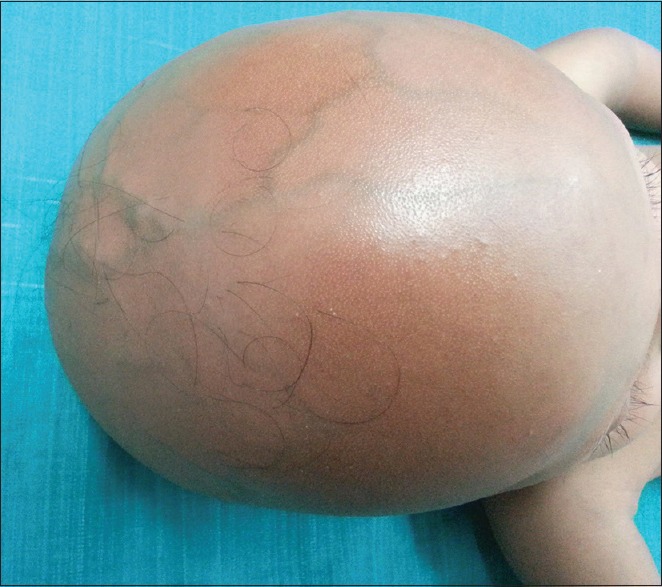
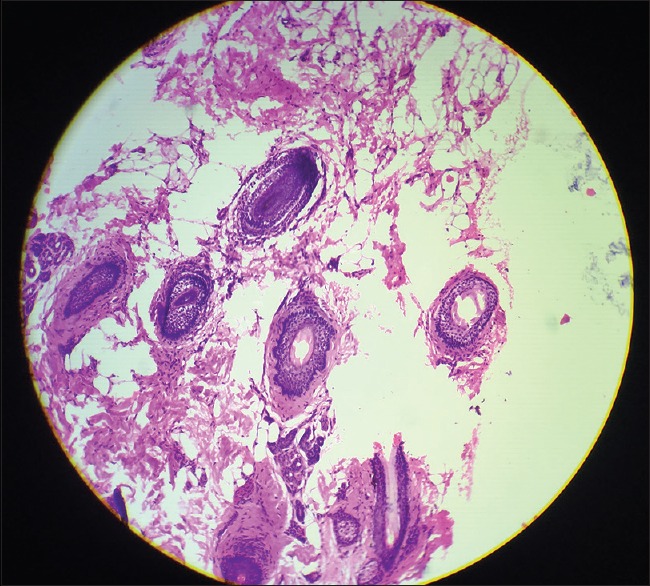
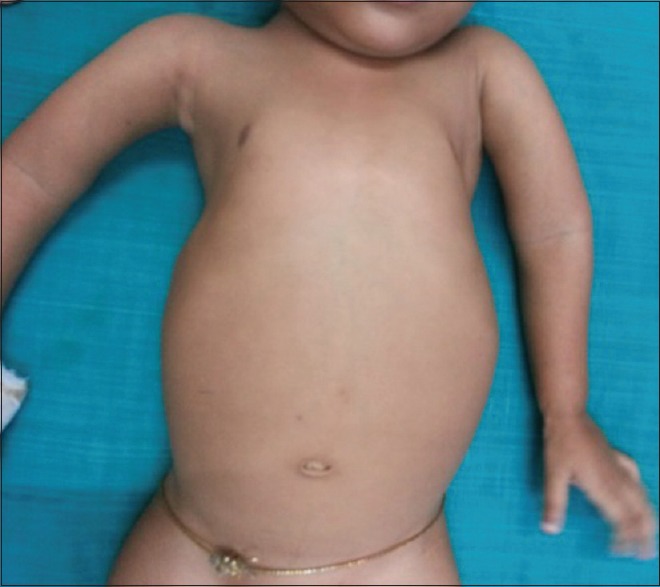
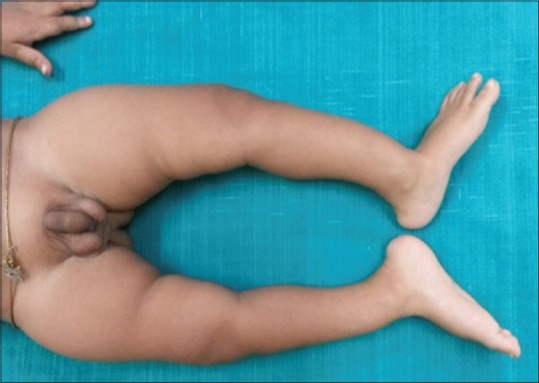
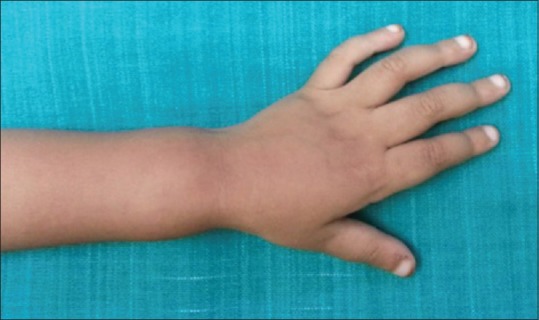
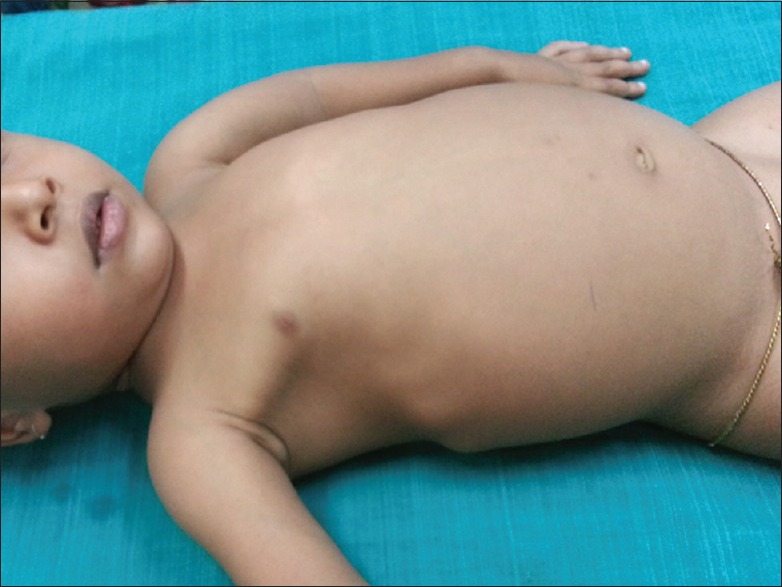
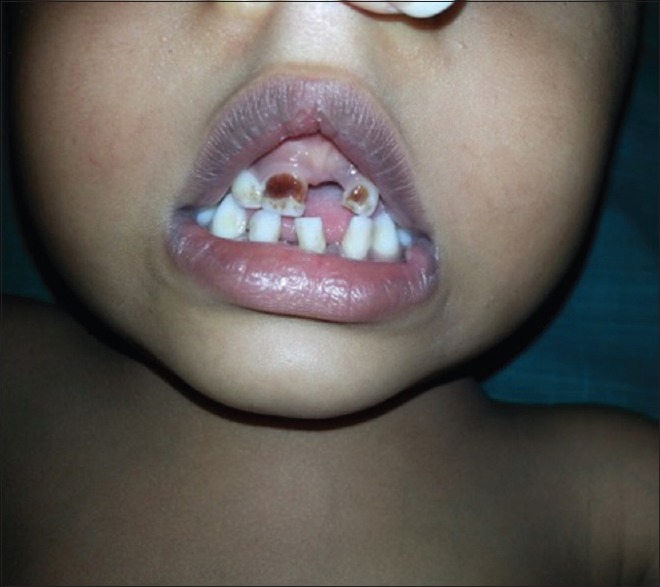
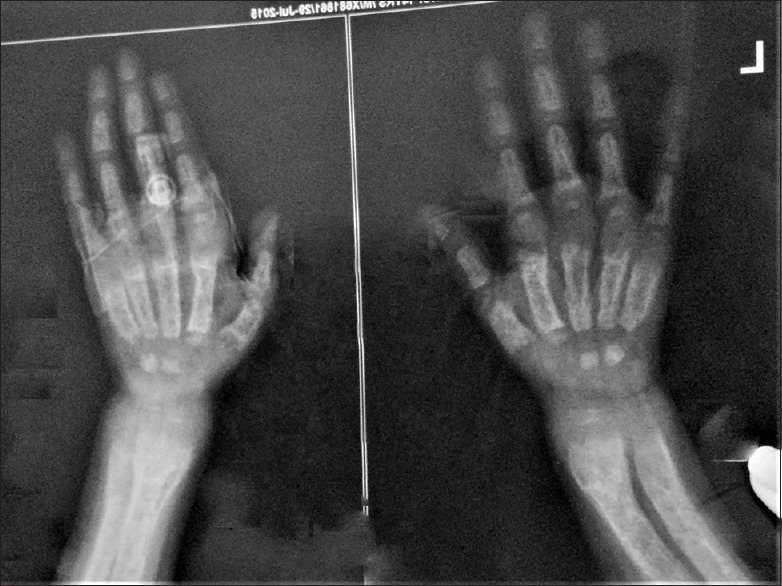
Vitamin D-dependent rickets type II is a rare hereditary disorder. It occurs due to mutations in the gene chr. 12q12-q14, which codes for vitamin D receptor. End-organ resistance to 1,25-(OH) vitamin D3 and alopecia in severe cases are the characteristic features. We report a case of a 4-year-old boy with loss of hair over the scalp and body - first observed after 1 month of birth. The boy also developed difficulty in walking at the age of 2 year. On analysis, reduced serum calcium level (7.5 mg/dL) and elevated alkaline phosphatase level (625 IU/L) were reported. Initially, the treatment included intramuscularly administered single dose of 600,000 IU vitamin D, followed by 400 IU of vitamin D along with 1 g of supplemental calcium every day. Periodic follow-up was conducted for 2 months. Improvement was observed in the biochemical parameters and X-rays of the distal radial and ulnar metaphyses, although no improvement was observed in alopecia.
II型维生素D依赖性佝偻病是一种罕见的遗传性疾病。它是由于12号染色体q12 - q14区域的基因突变所致,该基因编码维生素D受体。严重病例中对1,25 -(OH)维生素D3的终末器官抵抗和脱发是其特征性表现。我们报告一例4岁男孩,出生1个月后首次发现头皮和身体毛发脱落。该男孩在2岁时还出现了行走困难。经分析,报告显示血清钙水平降低(7.5mg/dL),碱性磷酸酶水平升高(625IU/L)。最初的治疗包括肌肉注射单剂量600,000IU维生素D,随后每天给予400IU维生素D和1g补充钙。进行了为期2个月的定期随访。虽然脱发没有改善,但生化指标以及桡骨和尺骨远端干骺端的X线检查有改善。