J. Bhatt is senior vice president and chief medical officer, American Hospital Association, and president, Health Research & Educational Trust, American Hospital Association, Chicago, Illinois. P. Bathija is vice president, The Value Initiative, American Hospital Association, Chicago, Illinois.
Acad Med. 2018 Sep;93(9):1271-1275. doi: 10.1097/ACM.0000000000002254.
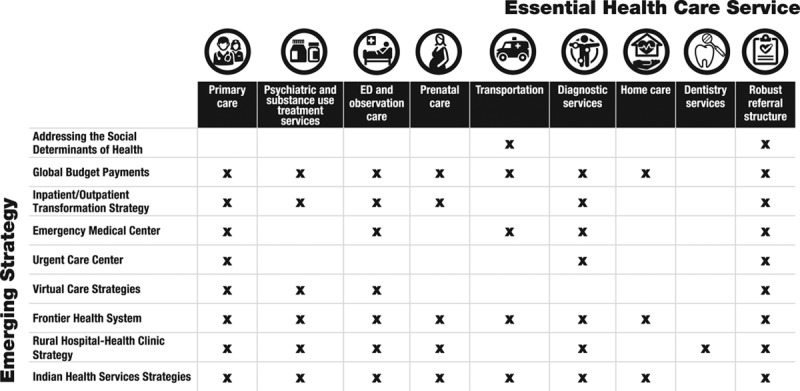
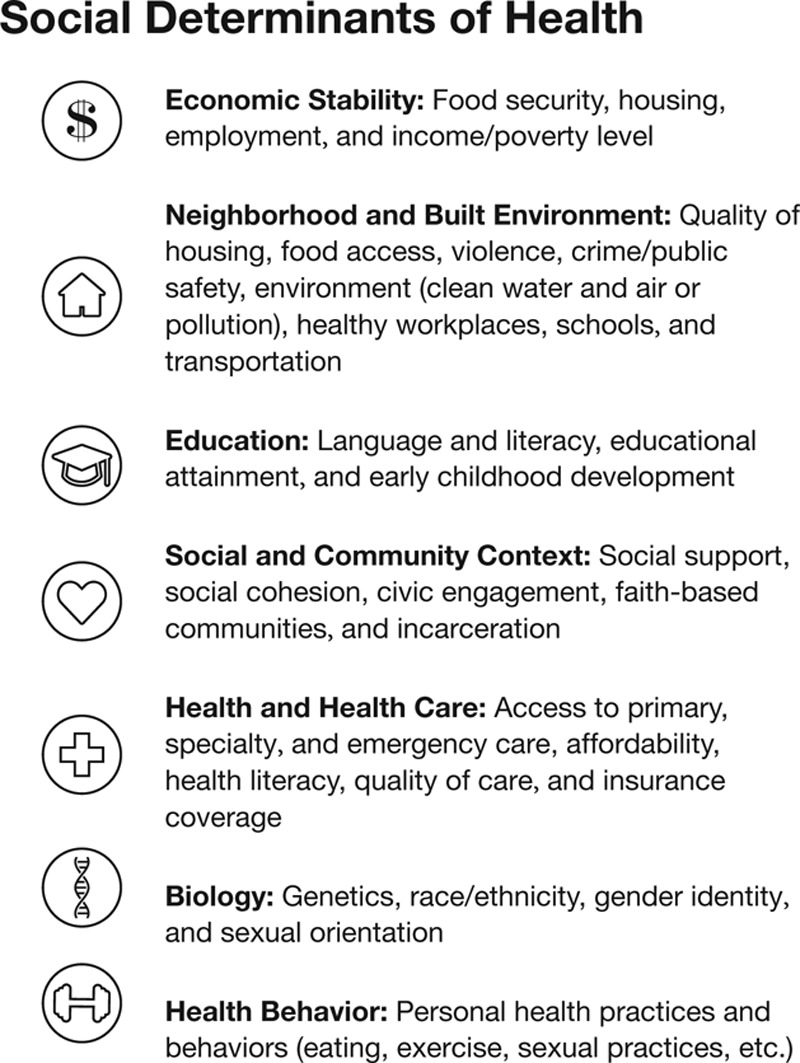
For millions of Americans living in vulnerable rural and urban communities, their hospital is an important, and often their only, source of health care. As transformation in the hospital and health care field continues, some communities may be at risk of losing access to health care services and the opportunities and resources they need to improve and maintain their health. Integrated, comprehensive strategies to reform health care delivery and payment, within which vulnerable communities can make individual choices based on their needs, support structures, and preferences, are needed.In this Invited Commentary, the authors outline characteristics and parameters of vulnerable communities as well as the essential health care services that hospitals should strive to maintain locally identified by the American Hospital Association Task Force on Ensuring Access in Vulnerable Communities. They also describe four of nine emerging strategies-recommended by the task force-to reform health care delivery and payment and allow hospitals to provide the essential health care services, along with implementation barriers and how to address them. While this Invited Commentary focuses on vulnerable communities, the four highlighted strategies (addressing the social determinants of health, adopting new and innovative virtual care strategies, designing global budgets, and using inpatient/outpatient transformation strategy), as well as the other five strategies, may have broader applicability for all communities.
对于数百万生活在脆弱的农村和城市社区的美国人来说,他们的医院是重要的,而且往往是他们唯一的医疗保健来源。随着医院和医疗保健领域的变革继续进行,一些社区可能面临失去获得医疗保健服务以及改善和维持其健康所需的机会和资源的风险。需要采取综合、全面的策略来改革医疗服务的提供和支付方式,在这种方式下,脆弱社区可以根据自身需求、支持结构和偏好做出个人选择。在这篇特邀评论中,作者概述了脆弱社区的特征和参数,以及美国医院协会确保脆弱社区获得医疗服务任务组确定的当地医院应努力提供的基本医疗服务。他们还描述了该任务组推荐的九项新兴策略中的四项,以改革医疗服务的提供和支付方式,使医院能够提供基本医疗服务,并介绍了实施障碍及其解决办法。虽然本特邀评论重点关注脆弱社区,但四项突出的策略(解决健康决定因素、采用新的创新虚拟护理策略、设计全球预算以及使用住院/门诊转型策略)以及其他五项策略可能对所有社区都具有更广泛的适用性。